Serving 49 Chicago-area suburbs

Grease Trap Installation & Cleaning in Chicago & the Suburbs

Grease traps and interceptors sized, installed, cleaned and kept on schedule for restaurants and food-service kitchens in Chicagoland.

  • Serving restaurants and kitchens in the Chicago suburbs, from Naperville to Evanston
  • Work scheduled around service hours
  • Paperwork ready for inspectors

Prefer a callback?

Leave your number and a Chicagoland grease trap technician will call you.

Grease trap problems we handle in Chicagoland

Every kitchen that washes greasy pans sends fats, oils and grease toward the sewer, and the trap or interceptor is what stops them. In Chicagoland we size and install grease traps, clean and maintain them on a schedule, and keep the service records the sanitary district or village asks to see.

Moving into a space with an unknown trap

A second-generation restaurant space may have a trap nobody has opened in years. We locate it, pump or clean it and tell you if it suits your kitchen.

Notice from the village or sanitary district

FOG programs can issue notices when grease shows up in the sewer downstream of your building. We inspect the trap, clean it and set up a maintenance schedule with records.

New restaurant needs a trap or interceptor

A build-out without the right grease interceptor can stall at plumbing or health review. We plan the size and location with your fixture layout.

Damaged lid, baffles or rusted trap

Broken baffles, corroded walls or a cracked lid let grease pass straight through. We repair what we can and replace the trap when it's beyond that.

Sinks and floor drains backing up

Standing water in the floor sinks during a rush is a grease problem more often than not. We check the trap first, then the line downstream.

Health inspector asked about the grease trap

If the inspector wrote up a missing log or a trap in poor repair, we clean or fix the trap and start a record for every visit.

Interceptor overdue for pumping

An overdue interceptor is the start of most grease backups. We get it pumped, inspected and back on a schedule.

Grease clogs in the sewer line

Repeated main line clogs behind a restaurant usually trace back to a trap that's undersized, overdue or bypassed. We clear the line and correct the cause.
What the job covers

  • Site visit and trap locationA look at every grease-producing fixture and where it drains, plus the trap itself.
  • SizingTrap or interceptor sized by fixtures, flow rate and the local requirements that apply.
  • InstallationUnder-sink traps set and plumbed, or in-ground interceptors excavated, set and connected.
  • Cleaning and pump-outGrease and solids removed, the trap scraped and baffles cleared.
  • Inspection of baffles and outletWith the trap empty we check baffles, walls, lid gasket and the outlet line.
  • Line jettingGrease-coated drain lines downstream of the trap cleared with hydro-jetting when needed.
  • Service log and manifestsEach visit is recorded with date, measurements and work done; pumped waste is documented with the hauler's manifest.

Systems and components

Gasketed lids and access risersTight-sealing lids keep odor in; risers bring buried interceptors up to grade for service.
Poly and coated steel trapsPlastic traps resist corrosion; steel traps are still used where size or listing calls for them.
Under-sink grease trapsCompact hydromechanical traps that sit under or next to a sink and are cleaned often.
Flow control fittingsA fitting that limits flow so the trap can do its job.
Under-sink trap or interceptorVolume and menu decide: a small trap for a cafe, an interceptor for a fryer-heavy kitchen.

Recent commercial kitchen work

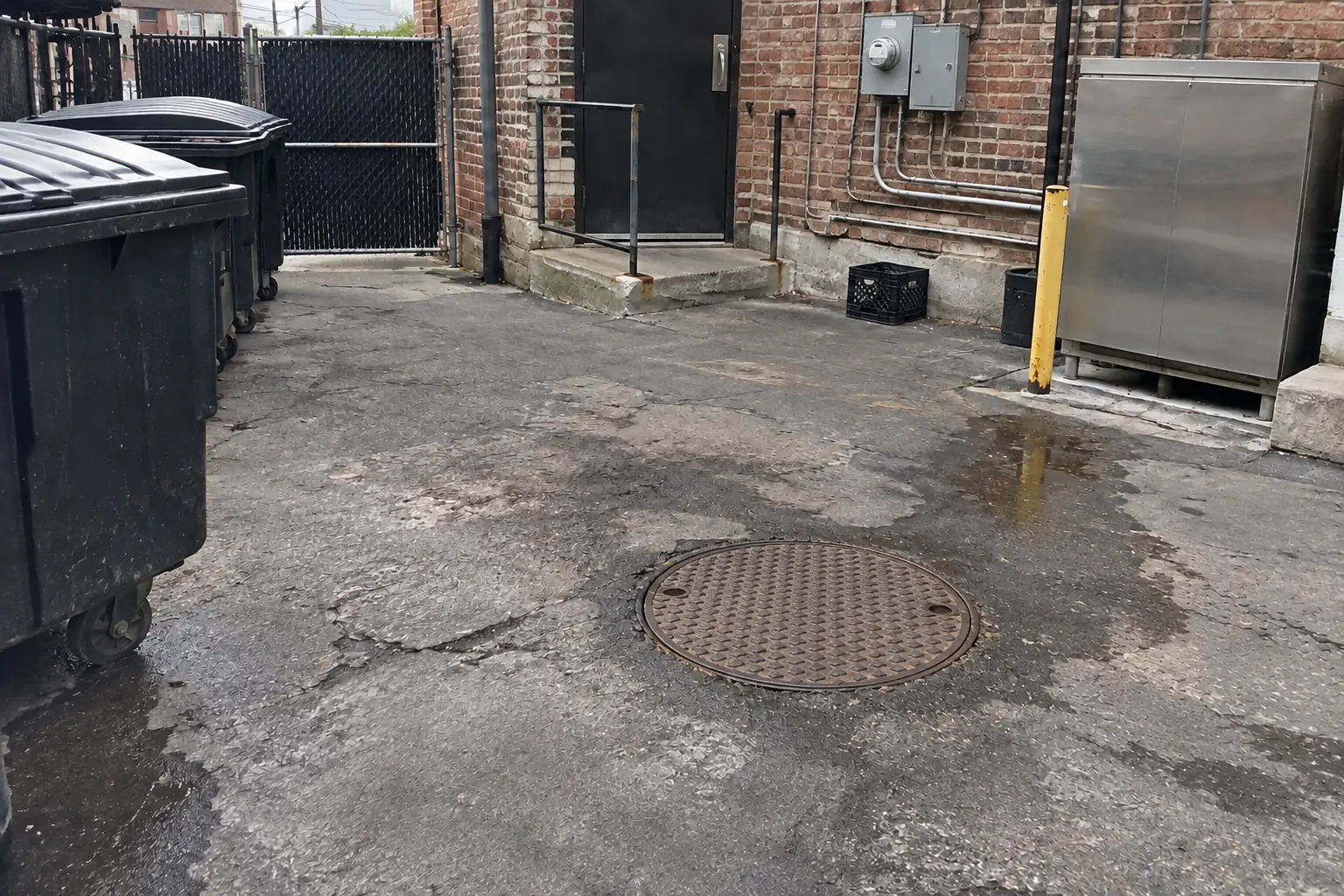
Grease Trap Installation & Cleaning — beforeBefore
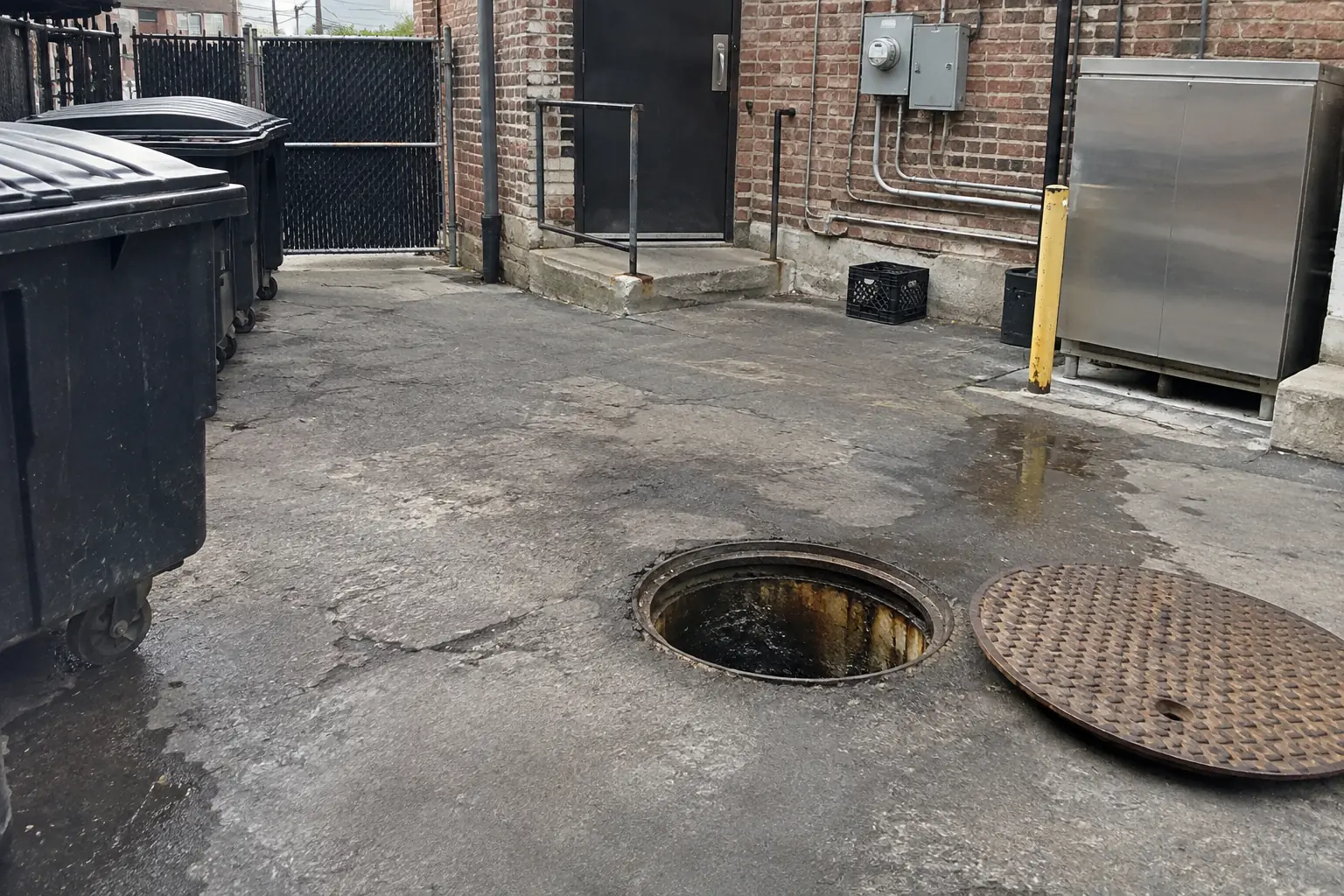
Grease Trap Installation & Cleaning — afterAfter

A Woodridge commercial kitchen: before and after

The site: a commercial kitchen in Woodridge. What bothered the owners most: a grease trap that kept backing up the prep sinks. The result: the same interceptor pumped and the lid closed, service hose coiled on the truck. Work included sizing, line jetting, plus service log and manifests.

Grease Trap Installation & Cleaning in Woodridge →
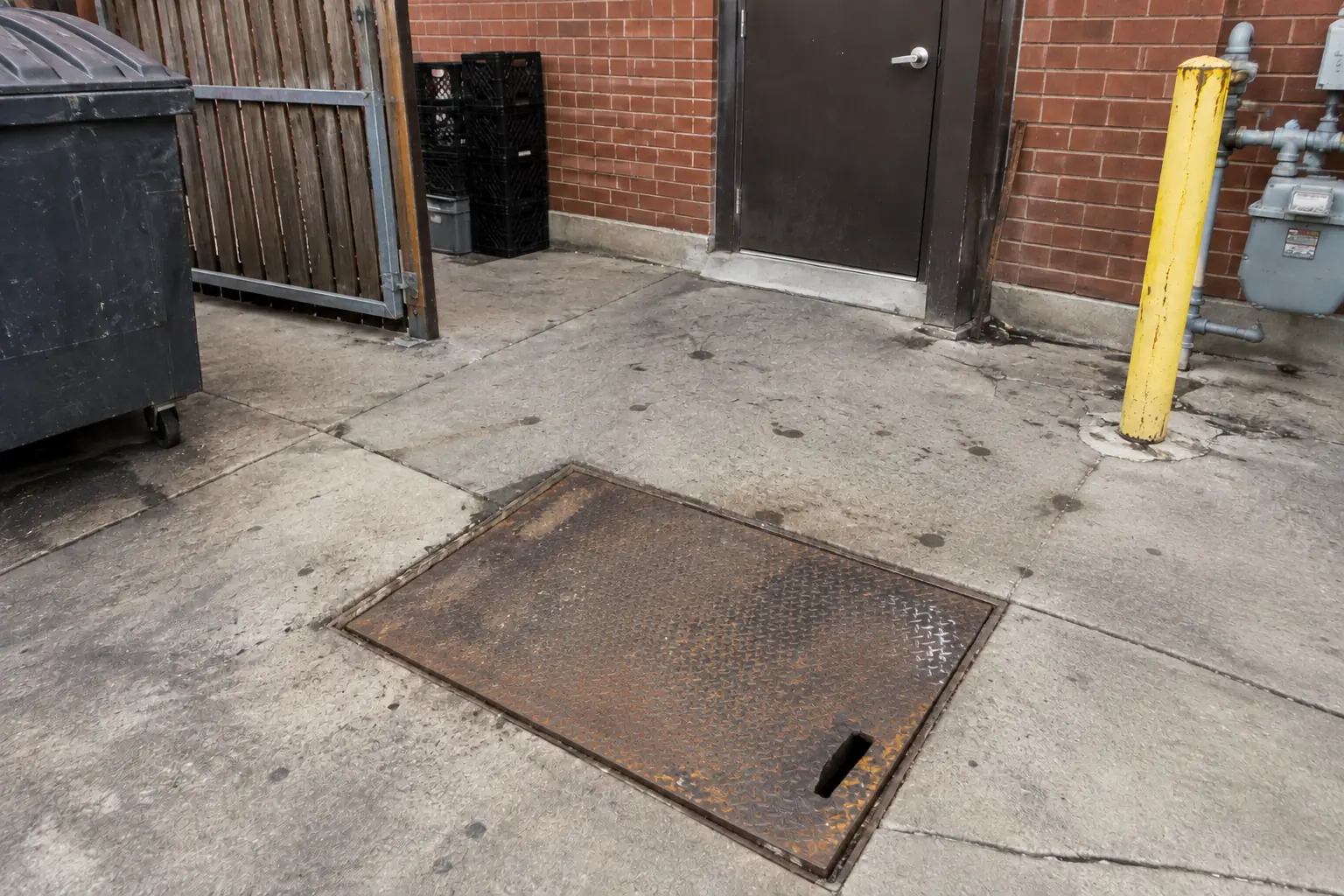
Grease Trap Installation & Cleaning — beforeBefore
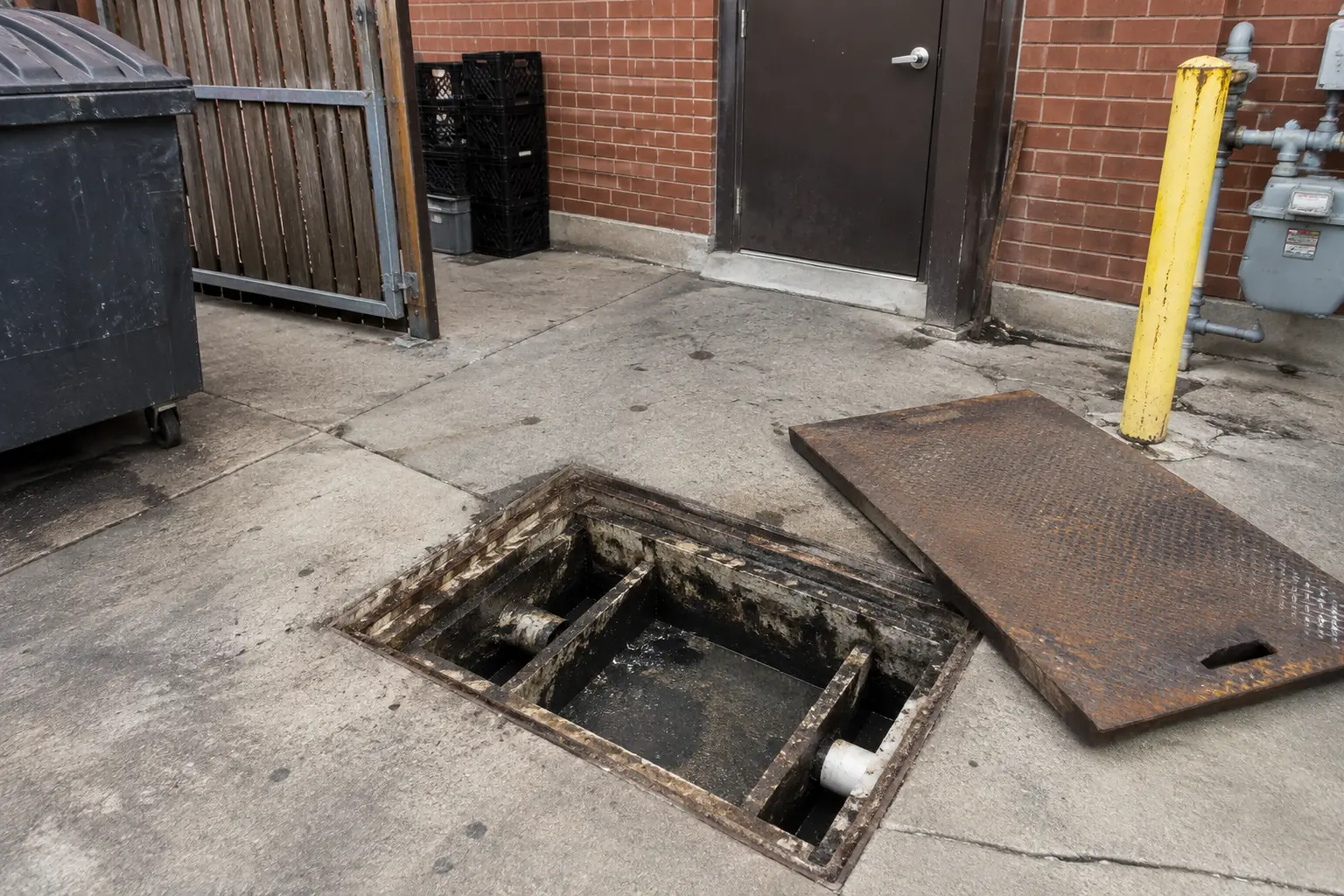
Grease Trap Installation & Cleaning — afterAfter

Grease Trap Installation & Cleaning in a bakery kitchen, Bartlett

This one is a bakery kitchen in Bartlett. The main complaint was a FOG notice and no maintenance records. The result: the same interceptor pumped and the lid closed, service hose coiled on the truck. The job covered inspection of baffles and outlet, line jetting, plus service log and manifests.

Grease Trap Installation & Cleaning in Bartlett →

How the project goes

  1. Call or book a visitShare what you're seeing and any letter from the village or inspector.
  2. Inspect the trapWe open the trap, measure grease and solids and check its size and condition.
  3. Written estimateA clear written quote for the work and the recommended schedule.
  4. Clean, pump or installWe do the work around your hours and leave the area clean.
  5. Log and scheduleRecords for your files and a cleaning interval that fits your kitchen.

Questions from operators

Can you service the trap outside our hours?
Off-hours service is common for us, so the trap is handled without stopping the line.
What's the difference between a grease trap and a grease interceptor?
A trap is usually a small indoor unit at the sink; an interceptor is a large tank, often outdoors or below grade, for higher volumes.
What does grease trap service cost?
Trap size, how full it is, access, line jetting and how often we visit drive the price. We give a written, itemized estimate after inspecting the trap.
How does a grease trap work?
Baffles and slow flow let fats rise and food solids sink, so mostly water leaves the trap.
How often should a grease trap be cleaned?
It depends on the trap size and how much grease the kitchen makes. A common guide is to clean before grease and solids reach about a quarter of the trap's depth, and local rules may set a minimum.
Which towns do you serve?
Chicago and 49 suburbs, from Naperville and Aurora to Evanston, Schaumburg and Orland Park. Pick your town below for local details and ZIP codes.

Questions about grease trap installation & cleaning?

Call us — we'll check your ZIP, answer your questions and book an in-home estimate.
Call now (708) 400-7049
Call (708) 400-7049Callback