Serving Batavia & nearby Geneva, St. Charles

Grease Trap Installation & Cleaning in Batavia, IL

Grease traps and interceptors sized, installed, cleaned and kept on schedule for restaurants and food-service kitchens in Batavia.

  • Commercial kitchens across Batavia ZIP 60510, 60539
  • Nights, early mornings and closed days
  • Coordination with the fire and health inspectors

Prefer a callback?

Leave your number and a Batavia grease trap technician will call you.

Grease trap problems we handle in Batavia

A grease trap only works when it is the right size and emptied before it fills. We install under-sink traps and in-ground interceptors for Batavia restaurants, cafes, bakeries and institutional kitchens, and set up cleaning so backups and FOG violations stop being a surprise.

School, church or daycare kitchen trap

A school or church kitchen trap can go a long time between services, but not forever. We check it and set a realistic schedule.

Not sure how often to clean

Frequency depends on trap size, menu and volume. We measure grease and solids at each visit and adjust the interval to what we find.

Notice from the village or sanitary district

A letter about fats, oils and grease usually asks for proof of maintenance. We service the trap and give you the documentation the notice asks for.

Interceptor overdue for pumping

An overdue interceptor is the start of most grease backups. We get it pumped, inspected and back on a schedule.

Grease clogs in the sewer line

Repeated main line clogs behind a restaurant usually trace back to a trap that's undersized, overdue or bypassed. We clear the line and correct the cause.

Staff cleaning the trap themselves

Small under-sink traps can be cleaned by trained staff, but grease has to be disposed of properly and a log kept. We can take that over or set up the routine.

Sinks and floor drains backing up

Standing water in the floor sinks during a rush is a grease problem more often than not. We check the trap first, then the line downstream.

Moving into a space with an unknown trap

Before you open in a space that used to be another restaurant, we inspect the existing trap or interceptor and its connections.
What the job covers

  • Site visit and trap locationWe find the trap or interceptor, open it and look at size, condition and connections.
  • SizingTrap or interceptor sized by fixtures, flow rate and the local requirements that apply.
  • Permits and plan reviewWe file the plumbing permit and match the trap to what the plan reviewer and FOG program expect.
  • Cleaning and pump-outGrease and solids removed, the trap scraped and baffles cleared.
  • Inspection of baffles and outletWith the trap empty we check baffles, walls, lid gasket and the outlet line.
  • Service log and manifestsA maintenance log and disposal records ready for inspectors and the property manager.
  • Recurring scheduleA standing cleaning interval matched to your trap and cooking volume.

Systems and components

Poly and coated steel trapsPlastic traps resist corrosion; steel traps are still used where size or listing calls for them.
Under-sink grease trapsSmall indoor traps for cafes, bakeries and kitchens with limited grease.
Under-sink trap or interceptorVolume and menu decide: a small trap for a cafe, an interceptor for a fryer-heavy kitchen.
In-ground grease interceptorsGravity interceptors for high-volume kitchens, serviced by pump truck.
Gasketed lids and access risersLids and risers that make the trap easy to open and keep smell out of the kitchen.

What the work looks like in Batavia homes

Grease Trap Installation & Cleaning in a commercial kitchen — beforeBefore
Grease Trap Installation & Cleaning in a commercial kitchen — afterAfter

Grease Trap Installation & Cleaning in a commercial kitchen, Batavia

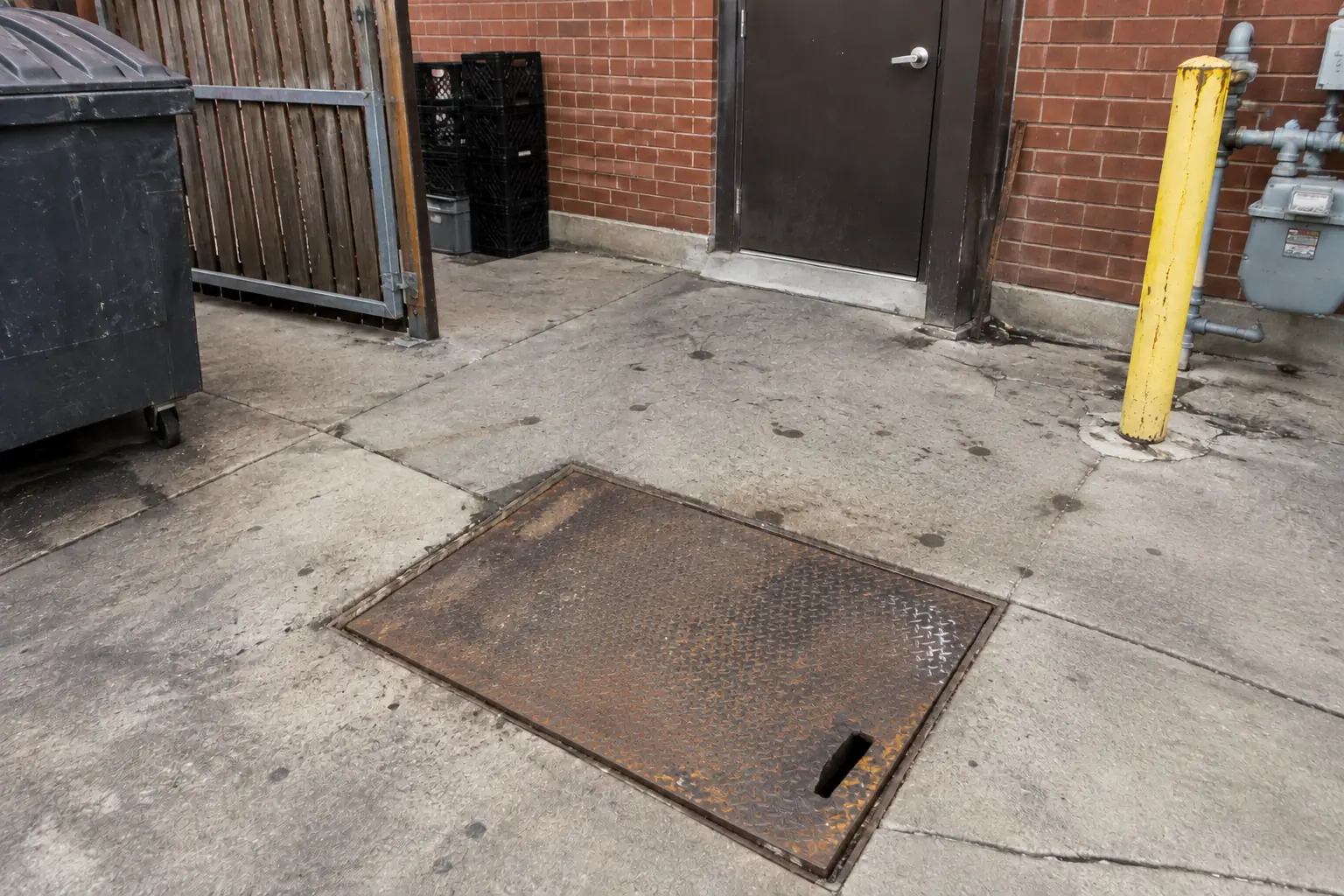
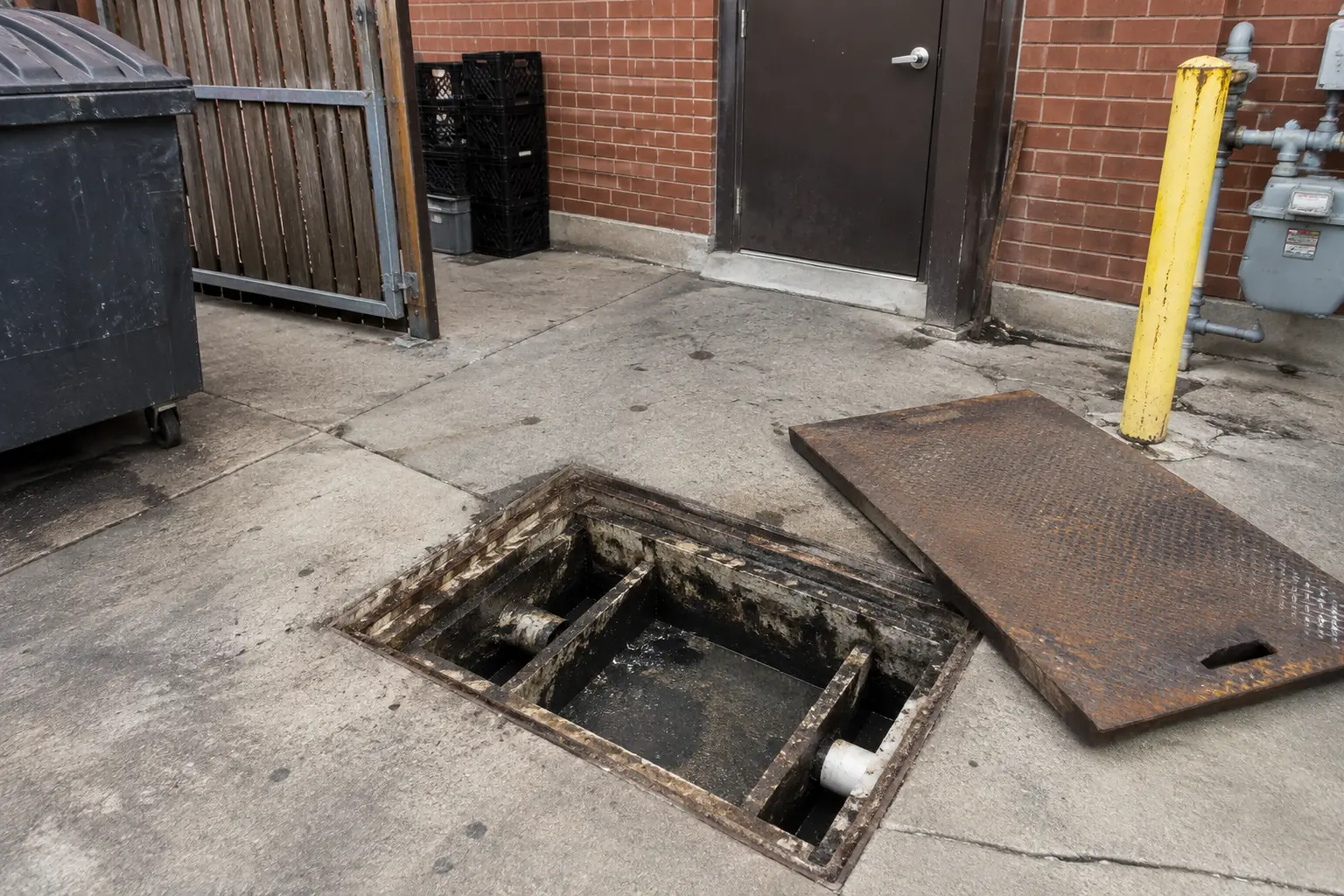
A commercial kitchen in Batavia, a typical kitchen for Batavia. What bothered the owners most: a grease trap that kept backing up the prep sinks. Finished kitchen: the same interceptor pumped and the lid closed, service hose coiled on the truck. The job covered site visit and trap location, permits and plan review, plus inspection of baffles and outlet.
Grease Trap Installation & Cleaning project in Geneva, beforeBefore
Grease Trap Installation & Cleaning project in Geneva, afterAfter

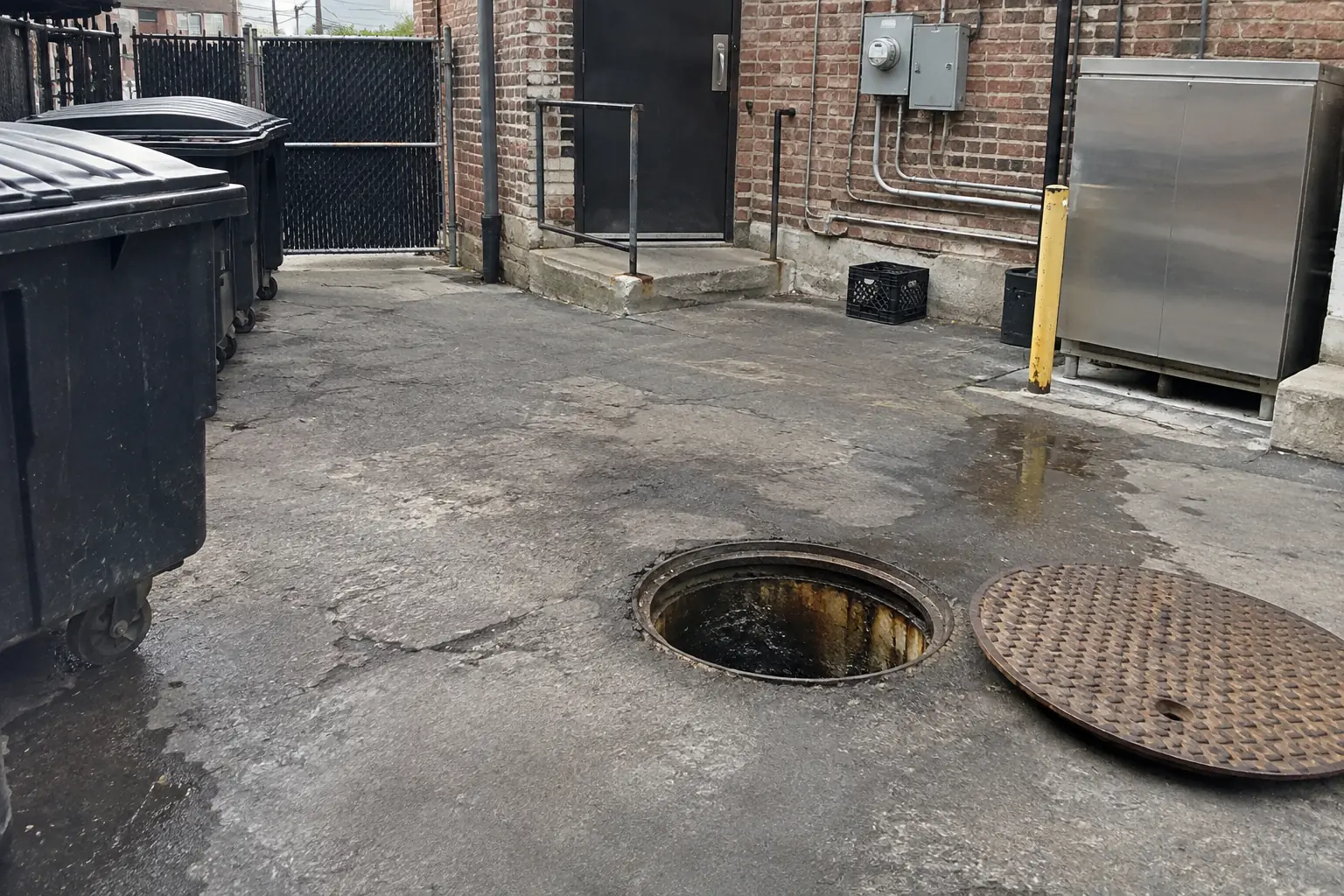
Grease Trap Installation & Cleaning in a bakery kitchen, Geneva

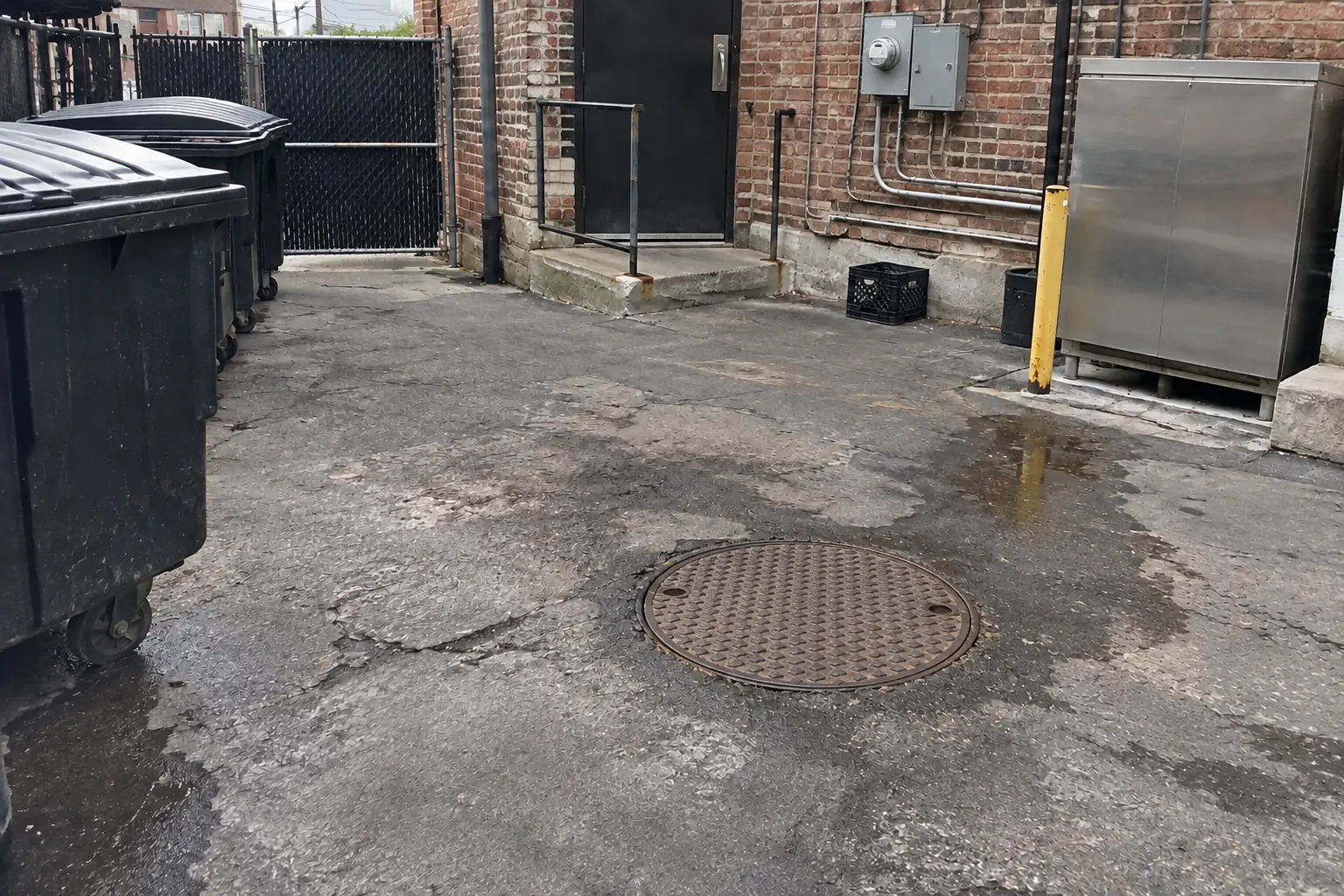
The site: a bakery kitchen near Mill Creek. What bothered the owners most: a FOG notice and no maintenance records. The result: the same interceptor pumped and the lid closed, service hose coiled on the truck. On site this meant sizing, inspection of baffles and outlet, plus service log and manifests.

Grease Trap Installation & Cleaning in Geneva →
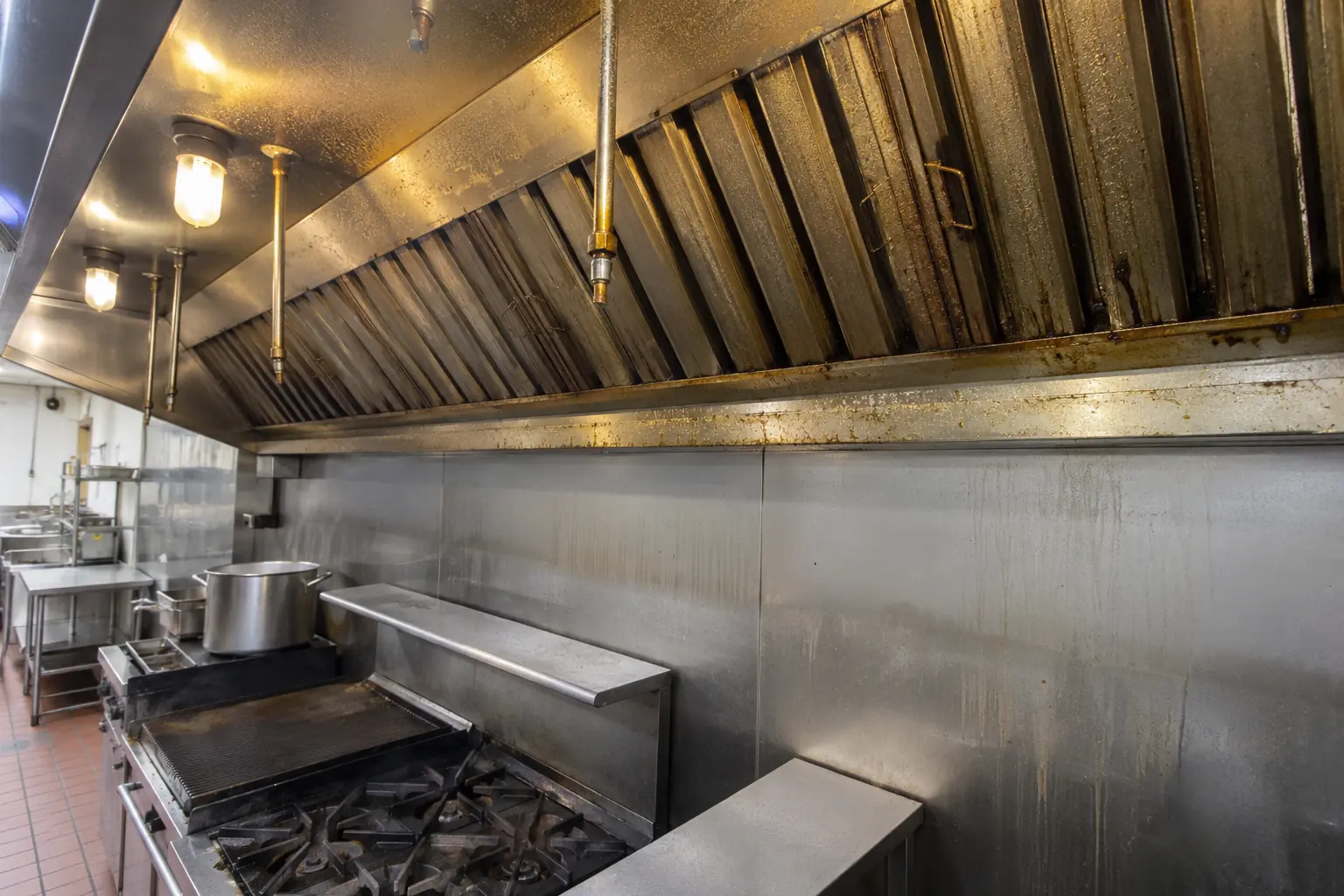
Commercial Hood Cleaning project near Batavia, beforeBefore
Commercial Hood Cleaning project near Batavia, afterAfter

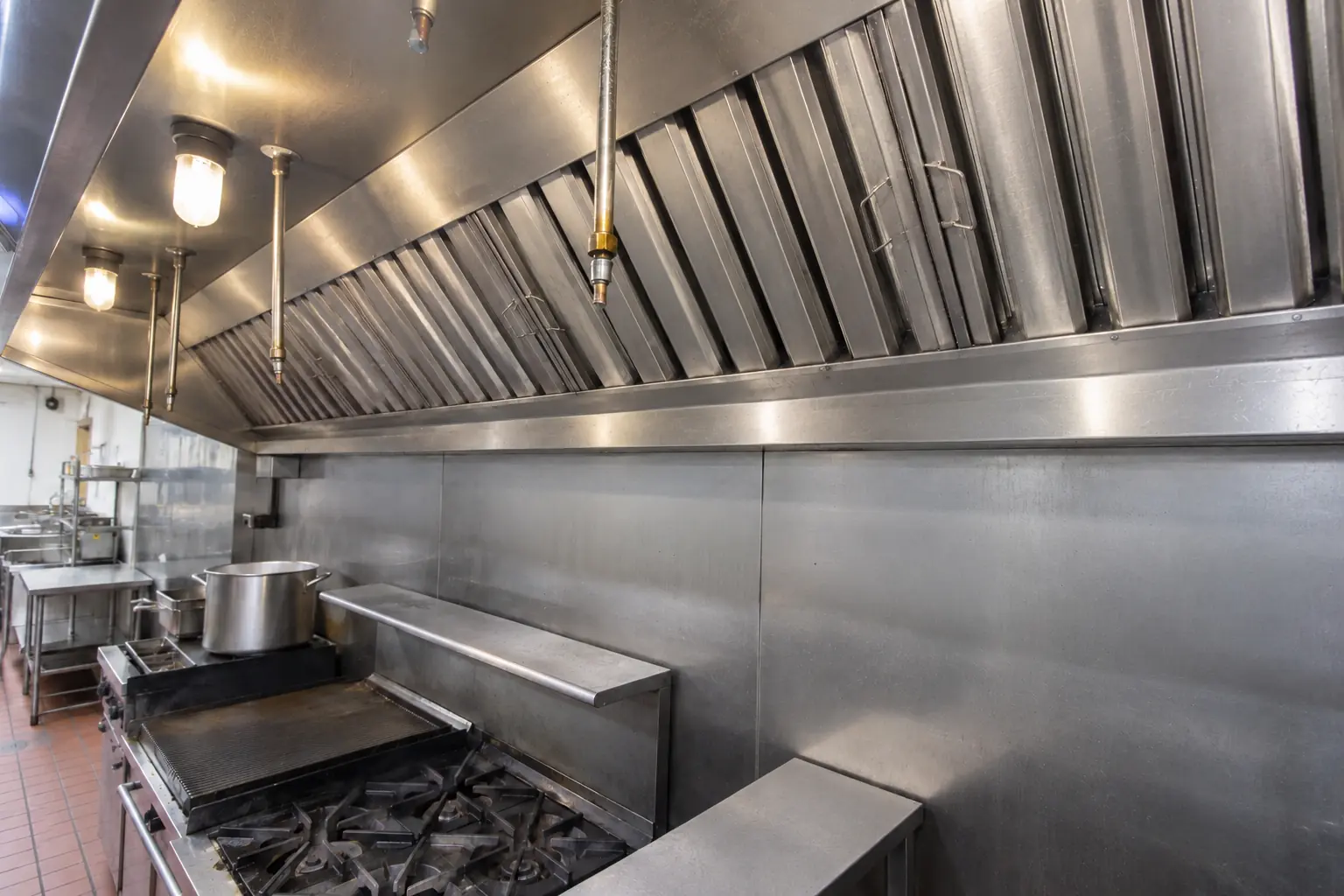
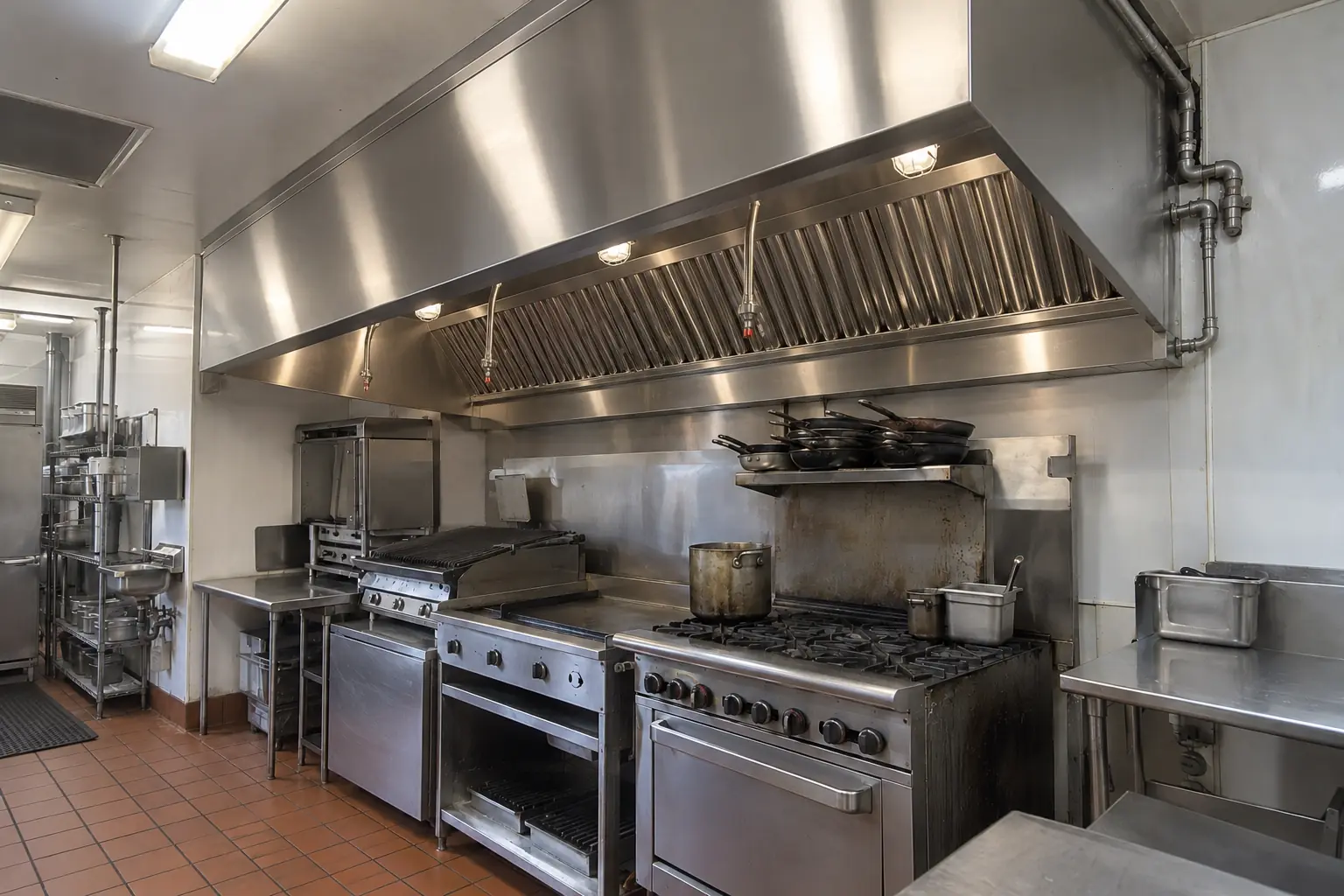
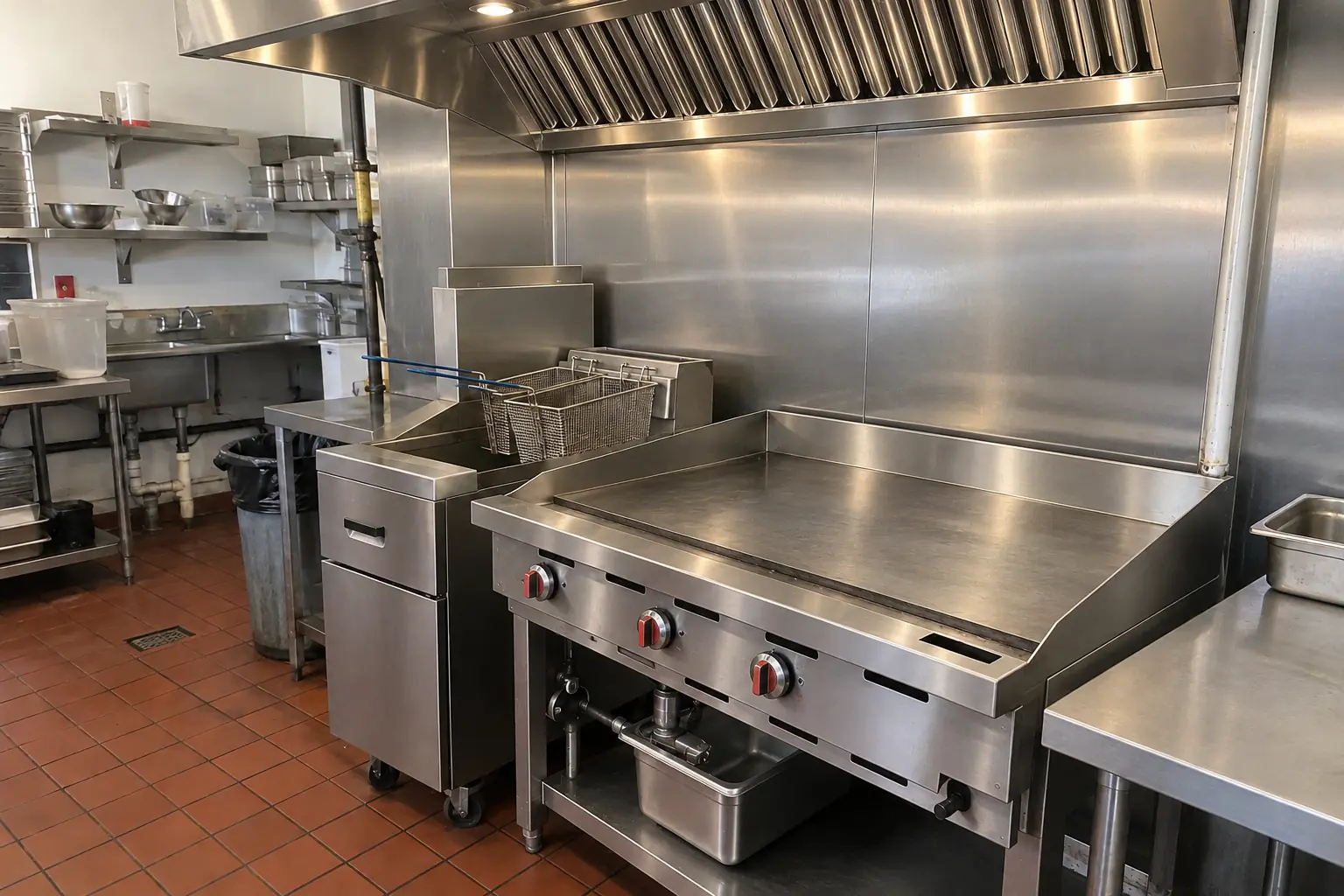
Before and after: a commercial kitchen in Batavia

The same hood degreased to bare stainless with an inspection sticker area.

Commercial Hood Cleaning in Batavia →
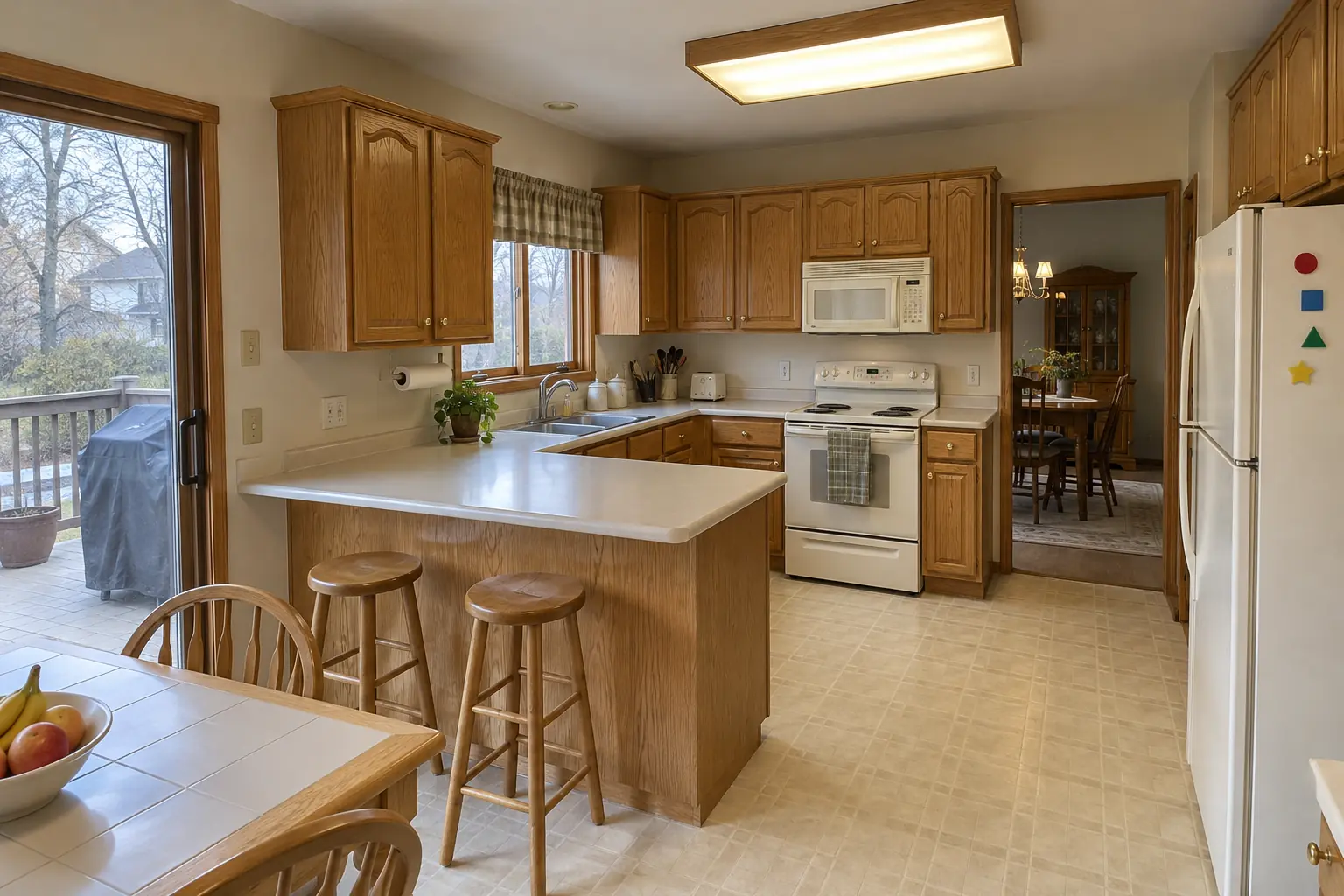
Kitchen Remodeling project near Batavia, beforeBefore
Kitchen Remodeling project near Batavia, afterAfter

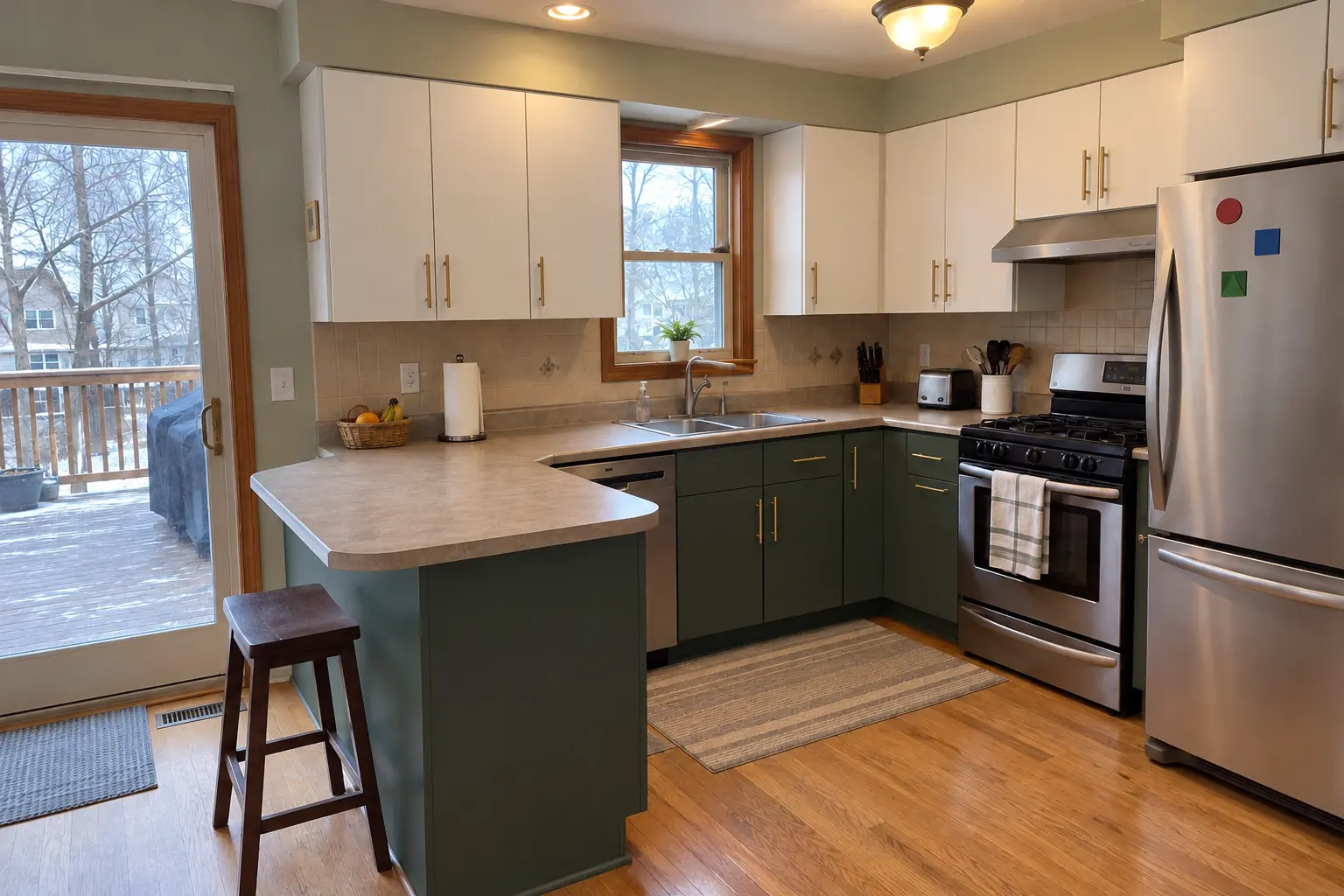
Batavia kitchen, 1980s two-story: kitchen remodeling

Finished: cabinets in pale sage with unlacquered brass knobs and cup pulls, charcoal concrete-look quartz counters, a terracotta-look square tile backsplash, light oak hardwood flooring and black cage pendants and slim recessed lights.

Kitchen Remodeling in Batavia →
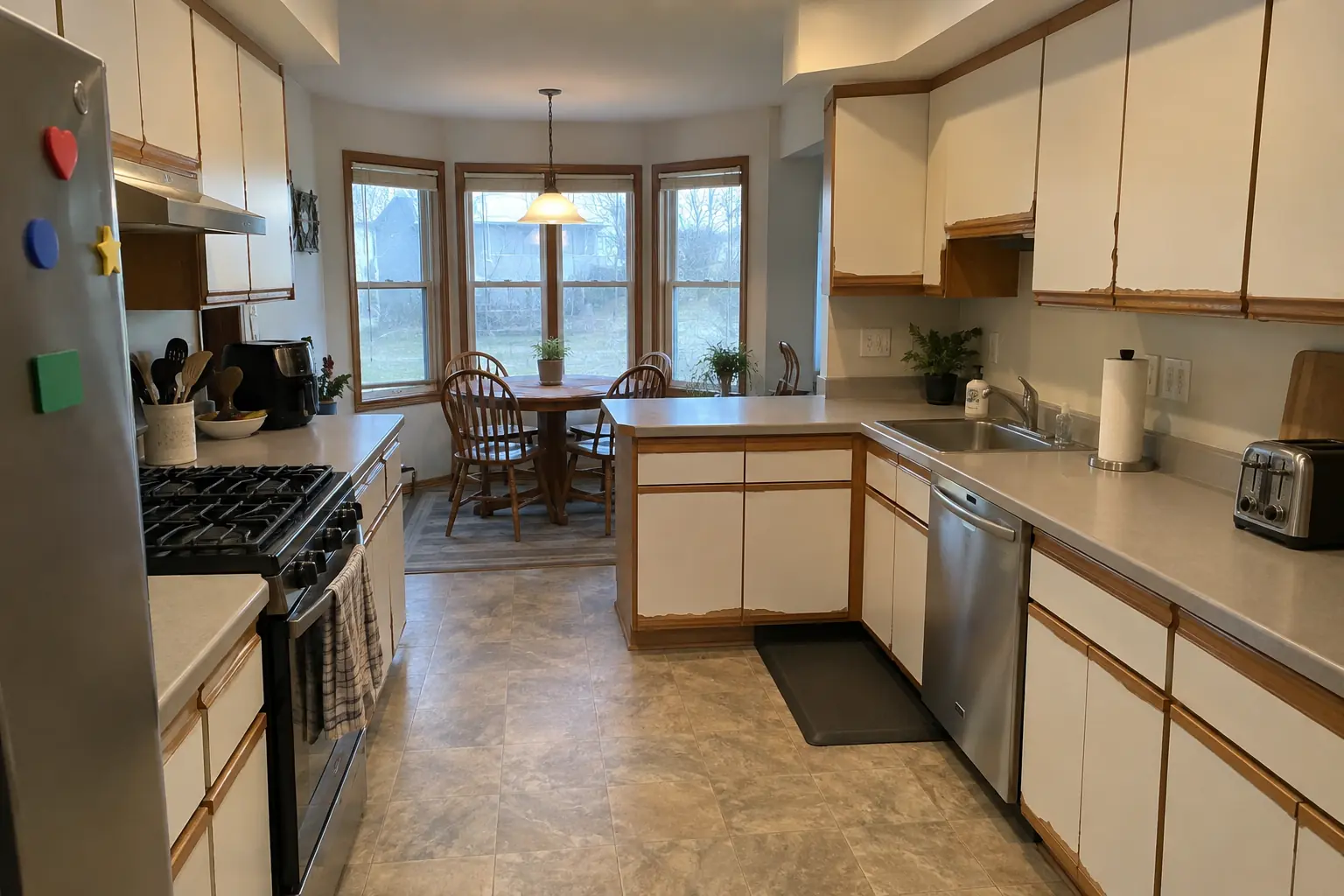
Kitchen Cabinet Painting project near Batavia, beforeBefore
Kitchen Cabinet Painting project near Batavia, afterAfter

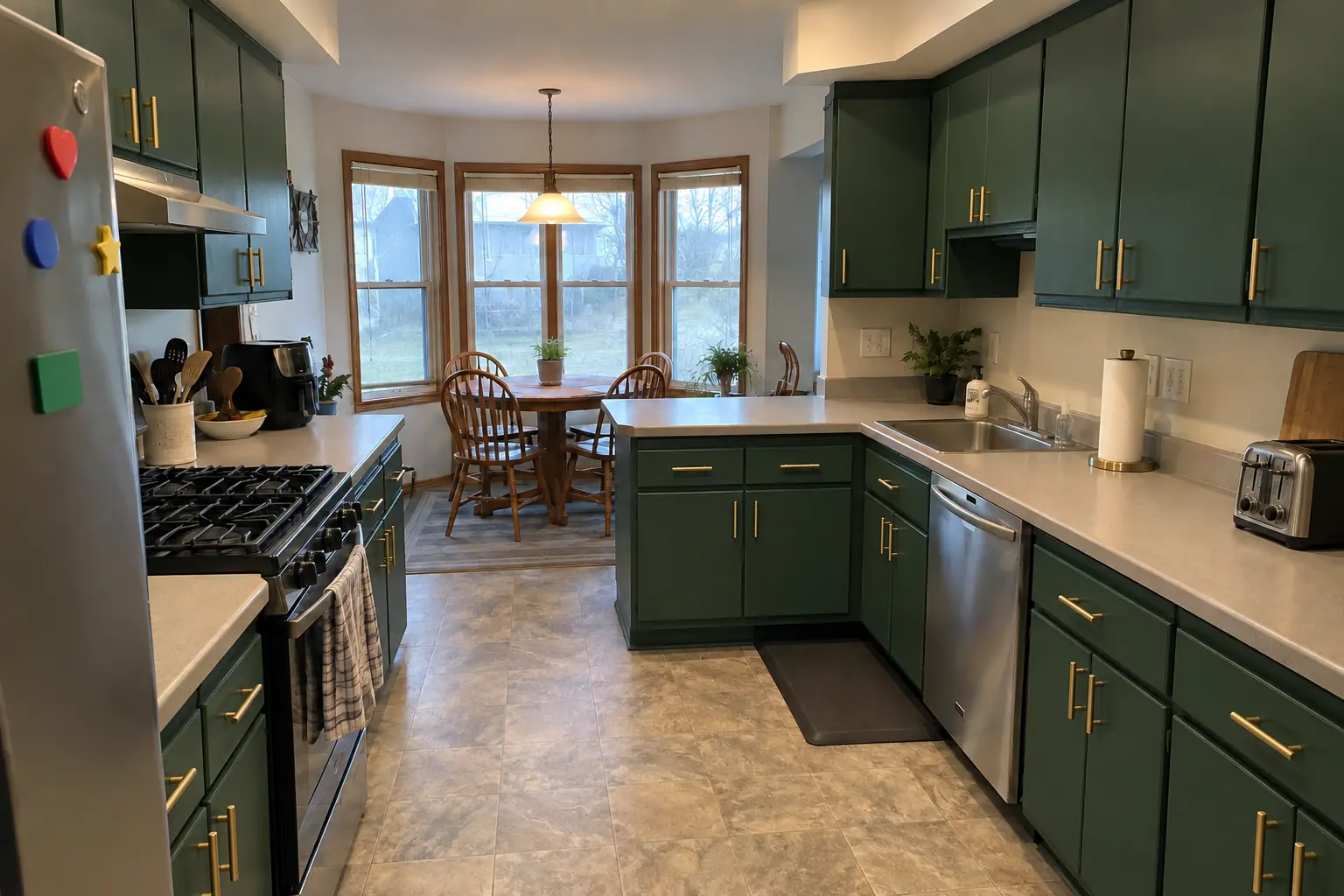
Batavia kitchen, 1990s two-story colonial: kitchen cabinet painting

What changed: the same doors sprayed in forest green, new satin brass pulls; counters and floor stayed as they were.

Kitchen Cabinet Painting in Batavia →

Scheduling around service

  1. Call or book a visitTell us about the kitchen, the backup or notice and when the trap was last cleaned.
  2. Inspect the trapA look inside the trap and at the lines around it.
  3. Written estimateA clear written quote for the work and the recommended schedule.
  4. Clean, pump or installWe do the work around your hours and leave the area clean.
  5. Log and scheduleRecords for your files and a cleaning interval that fits your kitchen.

Grease Trap Installation & Cleaning questions from Batavia businesses

Can a plumber clean a grease trap?
A plumber can clean small traps and fix the drains around them. Pumping large interceptors is done by licensed waste haulers with manifests.
Can you service the trap outside our hours?
Yes. We schedule cleaning before opening or after closing to keep the kitchen running.
What's the difference between a grease trap and a grease interceptor?
Size and location. Traps sit under or near sinks and are cleaned by hand; interceptors are buried tanks pumped by truck.
Can I clean my grease trap myself?
For a small indoor trap, yes, with care and records. For in-ground interceptors, no; they need a pump truck.
How does a grease trap work?
Baffles and slow flow let fats rise and food solids sink, so mostly water leaves the trap.
Does grease trap service need a Batavia building permit, and who files it?
Permits go through City of Batavia Community & Economic Development - Building Division, phone 630-454-2700. When your scope needs one, we prepare the application and schedule the inspections.
Do you work in my part of Batavia?
Yes. Our crews work across Batavia — ZIP 60510, 60539 — and nearby Geneva, St. Charles, West Chicago.

Working in Batavia

  • Downtime costs you covers, so Batavia work is booked around your slow days and closing times.
  • We coordinate with City of Batavia Community & Economic Development - Building Division and the fire department so inspections don't hold up your opening.
  • Insurance certificates, site access and landlord requirements are sorted out before work starts.

ZIP 60510ZIP 60539

Grease Trap Installation & Cleaning nearby

Planning a kitchen project in Batavia?

Call us — we'll check your ZIP, answer your questions and book an in-home estimate.
Call now (708) 400-7049
Call (708) 400-7049Callback