Living Through a Kitchen Remodel: Setting Up a Temporary Kitchen
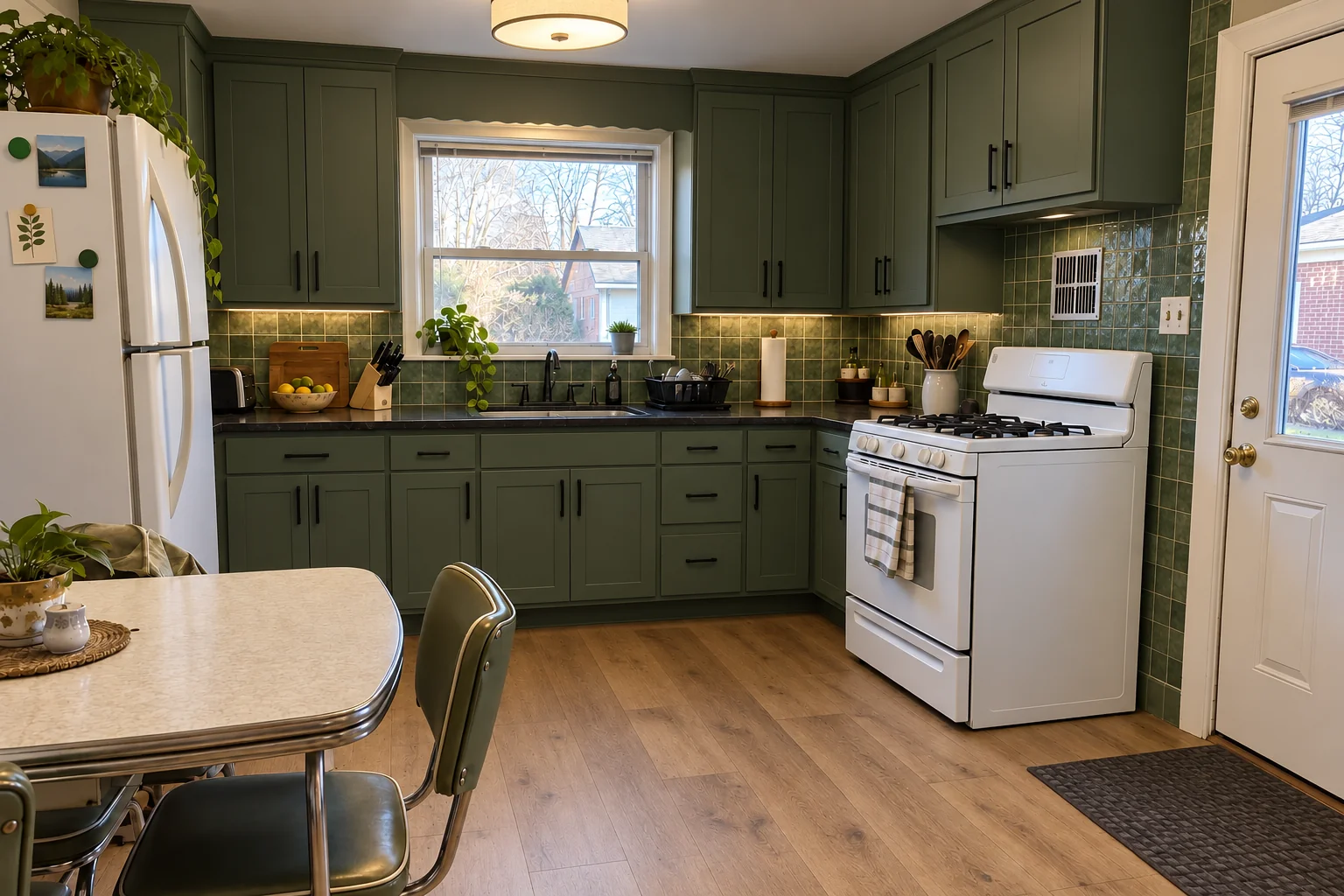
Living without a kitchen for a few weeks sounds worse than it usually is. The rest of the house stays usable, utilities go off only for short planned periods, and a temporary kitchen in another room covers everyday meals. What makes the difference is preparing before demolition rather than improvising after the old cabinets are gone.
This guide covers where to set up a temporary kitchen during a remodel and what to put in it, how to handle meals and dishes, how dust and noise are controlled, what each stage feels like at home, and when it makes sense to stay elsewhere for a few days. Plan for the kitchen to be out of service for the whole construction period, which for a same-layout remodel is usually a matter of weeks.
Can you live in a house during a kitchen renovation?
In most cases, yes. A kitchen remodel is contained: the crew works in one room, uses one agreed path through the house and seals the work area off from the rest. Bedrooms, bathrooms and living spaces stay in normal use, and the disruptions that do reach them, mainly noise and short utility shutoffs, are predictable and can be scheduled around.
The households that find it hardest are those that skip the preparation: no temporary kitchen, no plan for dishes, and boxes of kitchen items spread through the house. A weekend of setup before demolition changes the whole experience.
Where to put a temporary kitchen during a remodel
Choose a spot close to a water source with a few outlets that are not on the kitchen circuits. The location matters more than the equipment, because carrying dishes across the house three times a day gets old quickly.
Good locations
A dining room next to the kitchen, a laundry room with a utility sink, a finished basement with a bar sink, or a corner of the family room. In a condo or a small Chicago two-flat, a cart or folding table near the bathroom can work.
Power and circuits
Ask your contractor which circuits will be shut off during the work so the temporary kitchen is not on one of them. Microwaves, kettles and induction plates draw a lot of power, so avoid running several at once on a single outlet or power strip.
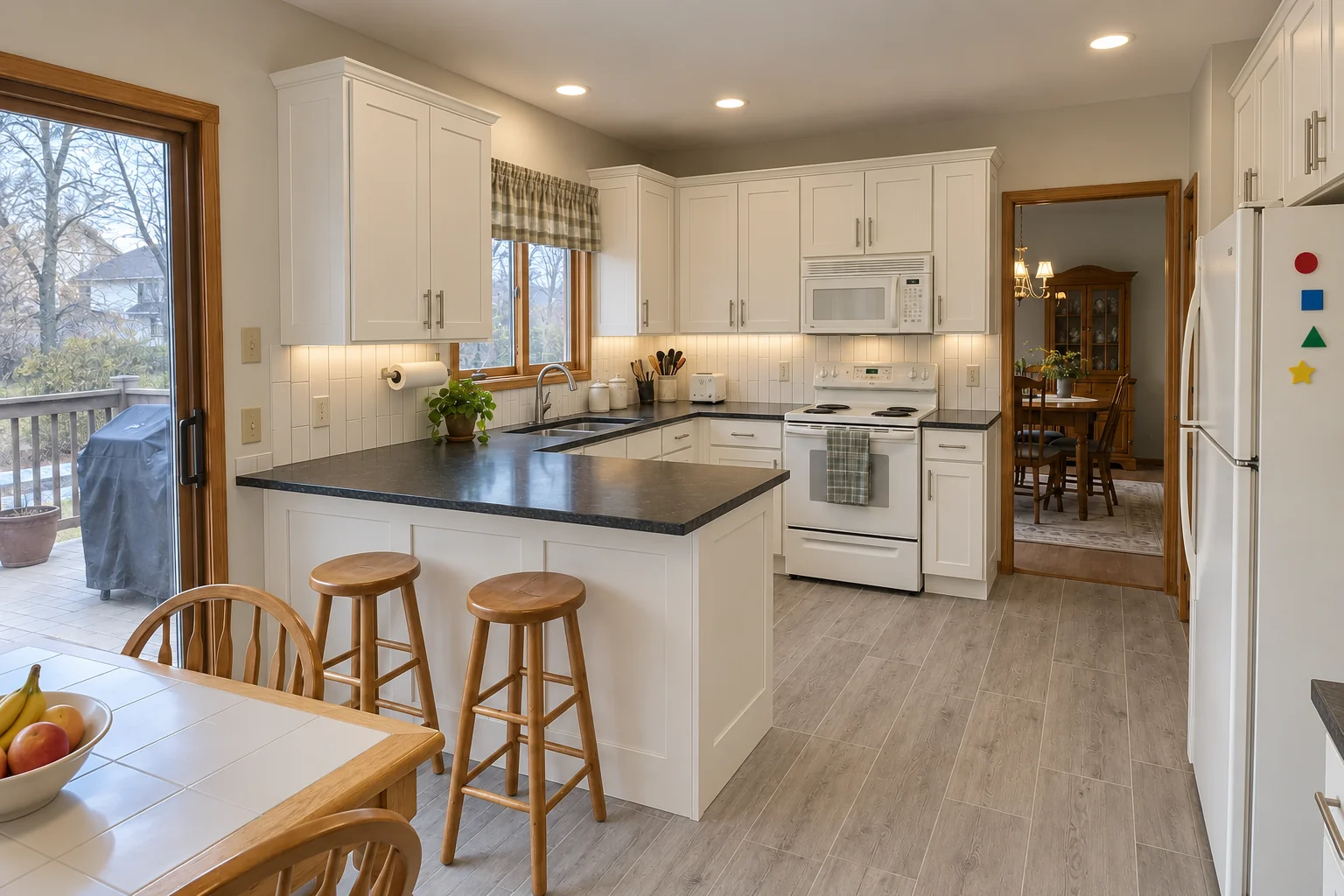
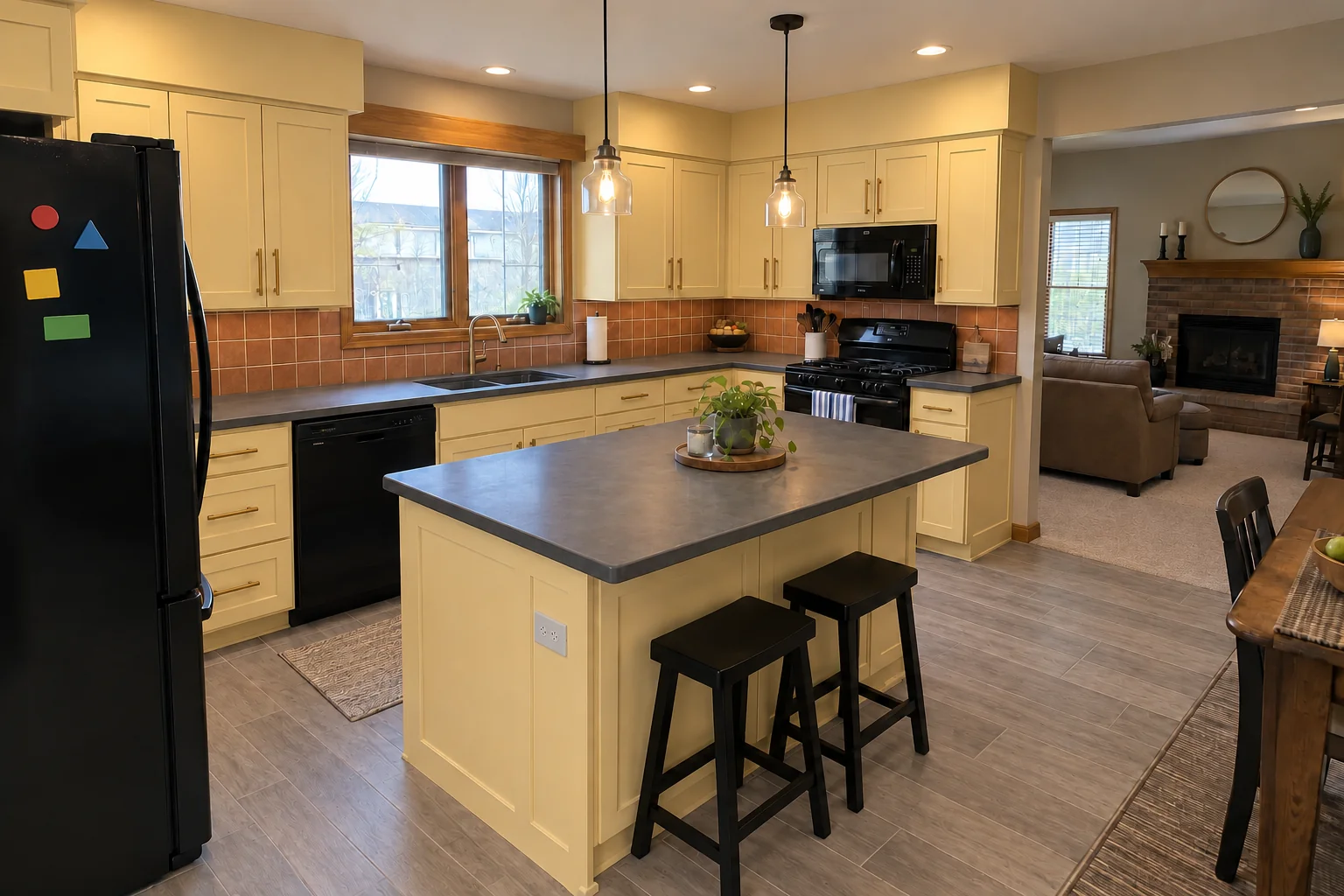
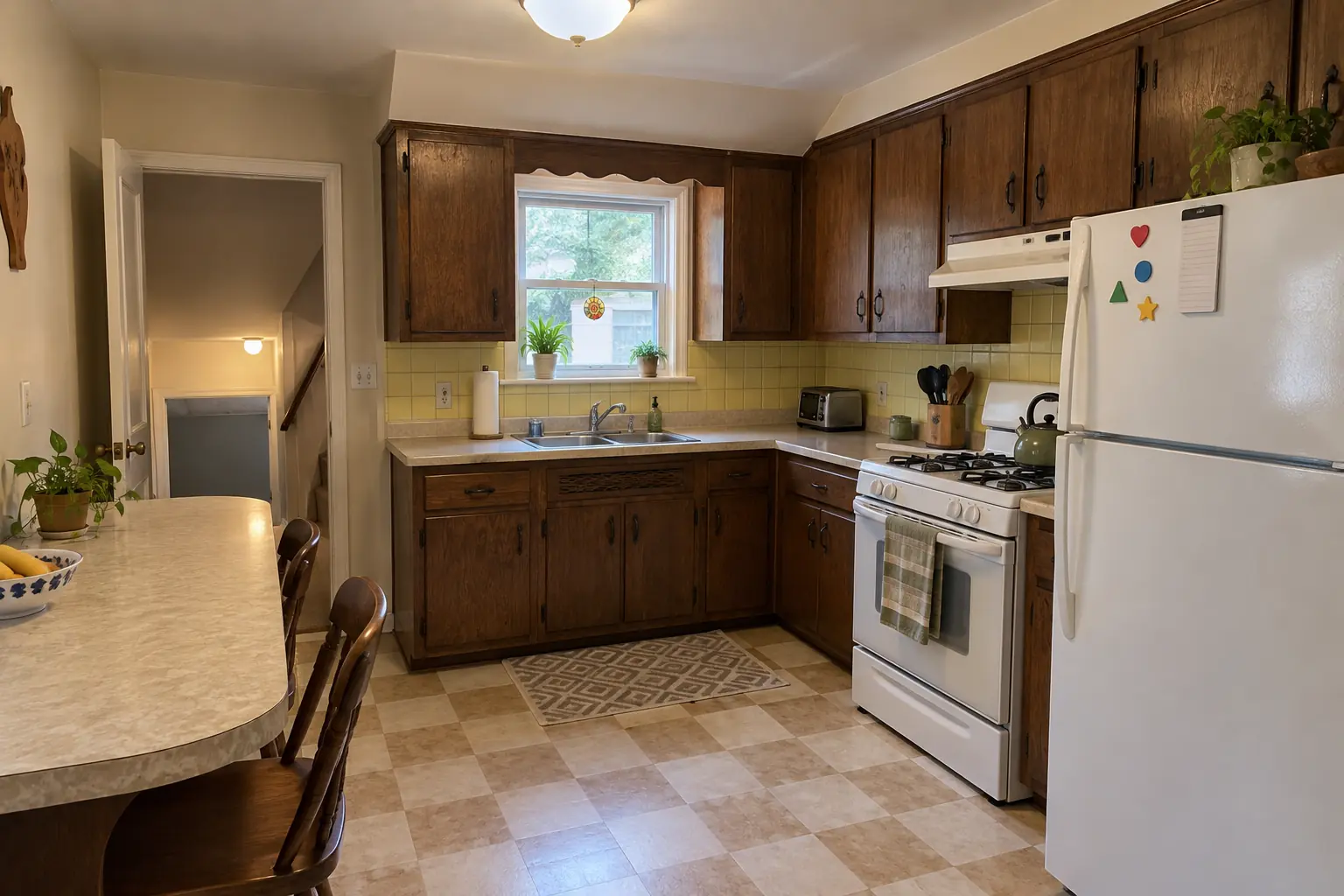 Before
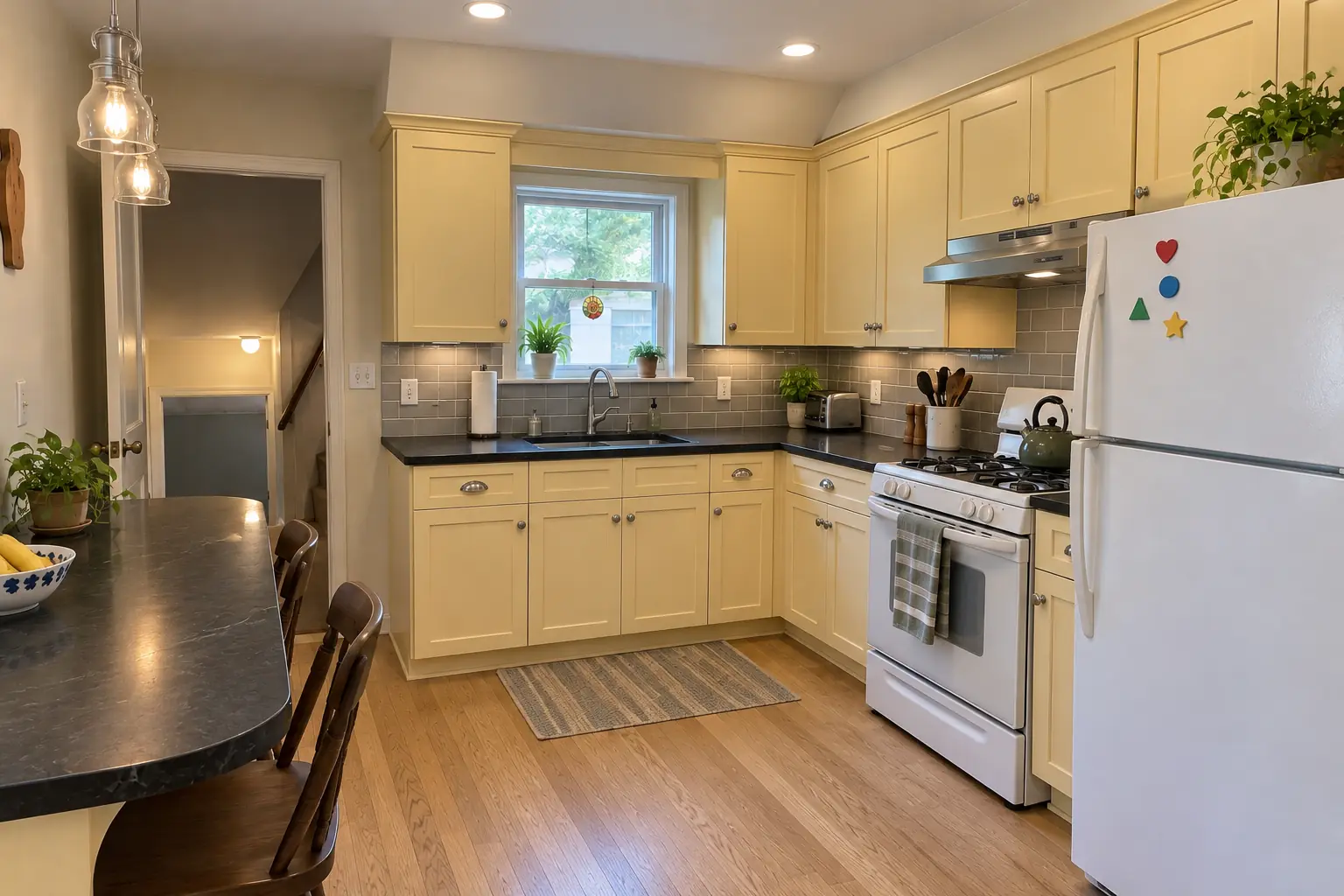 After
What a temporary kitchen needs
Keep it simple. You are aiming for a week of easy meals on repeat, not a second full kitchen.
- Paper plates or a small set of reusable dishes, plus trash bags and recycling bins.
- A short list of go-to meals taped to the wall, so nobody has to plan dinner from scratch each day.
| Item | Options | Why it helps |
|---|---|---|
| Refrigerator | Existing fridge moved, or a small one | Keeps normal groceries |
| Main cooking | Microwave or countertop oven | Covers most quick meals |
| Slow cooking | Slow cooker or multi-cooker | One-pot dinners, little cleanup |
| Hot water and coffee | Electric kettle, coffee maker | Keeps mornings normal |
| Stovetop | Single induction plate | Eggs, pasta, simple sautes |
| Prep and storage | Folding table, cart, labeled bins | Work surface and order |
| Washing station | Utility or bathroom sink, dish rack, tub | Dishes without a kitchen sink |
Many contractors can move your existing refrigerator to another room before demolition.
Meals and dishes without a kitchen
Plan simple meals that use one appliance. Slow-cooker and multi-cooker recipes, sheet-pan meals in a countertop oven and pre-cut vegetables save effort. Outdoor grilling helps in warmer months, though a Chicago winter remodel needs indoor options. Cooking and freezing a few meals before demolition is one of the most useful things you can do.
Dishwashing is usually the hardest part. Do not pour food scraps or grease into a bathroom sink, which can clog it; scrape plates into the trash first. A small set of reusable dishes is easier to manage than a full set, and a plastic tub makes carrying them to the sink one trip instead of three.
Dust, noise and protecting the rest of the house
Demolition and drywall sanding are the dustiest stages. A careful contractor covers floors along the work path, seals doorways with plastic barriers or zipper doors, and closes or covers HVAC registers in the work area. Ask whether they use dust extraction on saws and sanders and how cleanup is handled each day.
Noise is heaviest during demolition and cabinet installation. Crews usually work regular daytime hours; condo associations and some villages set specific permitted hours. If someone in the house works from home or sleeps during the day, plan around the loud phases.
- Move valuables, art and fragile items out of adjoining rooms.
- Check or replace the furnace filter during and after the dusty stages.
- Keep a clear, agreed path for workers from the entrance to the kitchen.
Before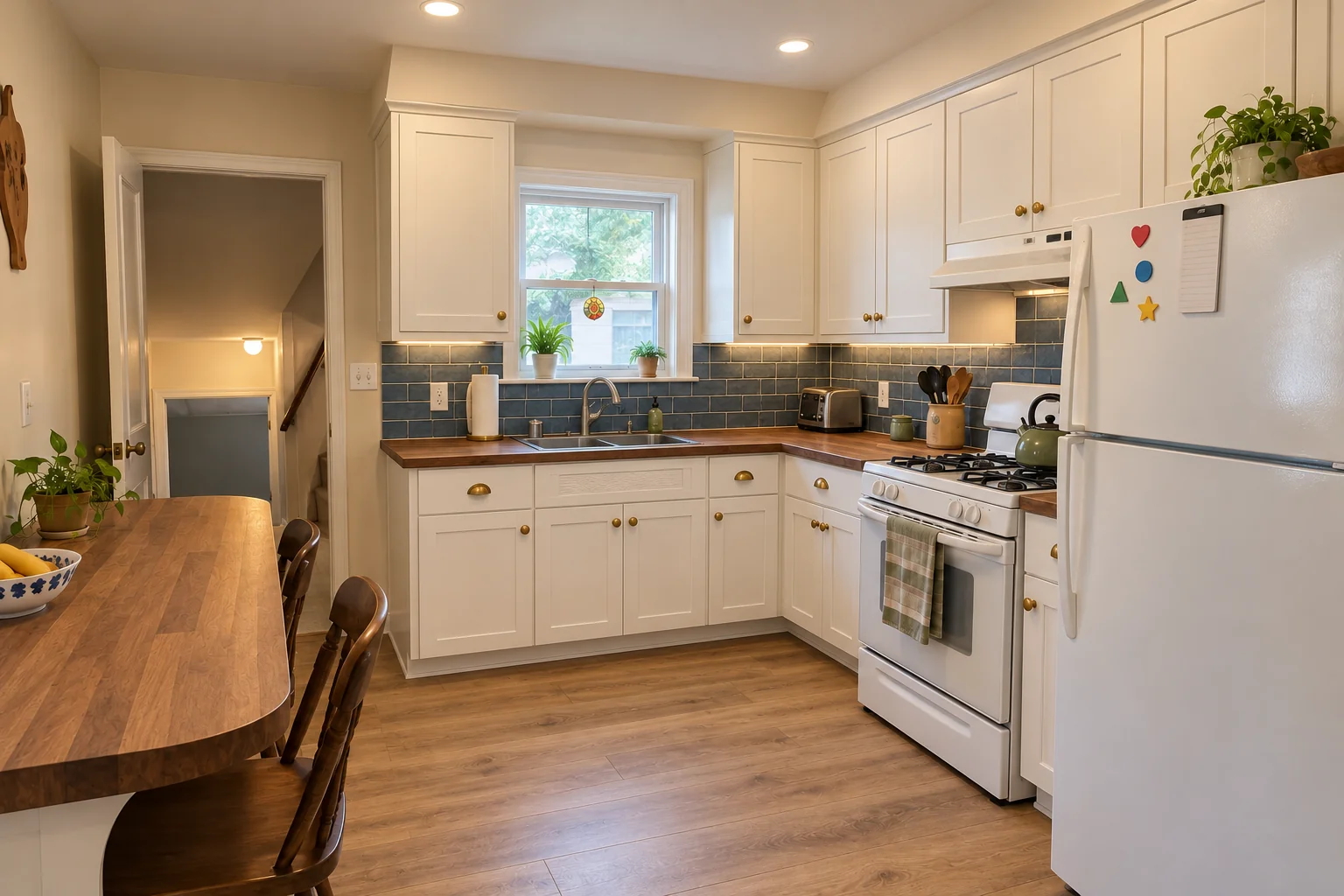 After
What each stage feels like at home
Living through a remodel is uneven: some weeks are loud and busy, others are quiet while you wait for an inspection or for countertops to be fabricated. Knowing the rhythm helps you plan work calls, guests and nights away.
| Stage | Noise and dust | What it means for you |
|---|---|---|
| Demolition | Loudest and dustiest | Debris carried out through the house |
| Rough-in | Moderate | Short water, power or gas shutoffs |
| Inspections and drywall | Quiet, then fine dust | Sanding brings dust back briefly |
| Cabinets | Steady drills and saws | The room starts to look like a kitchen |
| Countertop wait | Quiet | Often a week or two, still no sink |
| Finish stage | Light | Sink usually returns first, then the range |
Order and length vary with the scope; ask for a written schedule.
Water, power and gas shutoffs
Expect short shutoffs while lines are capped, rerouted and reconnected. A good contractor tells you in advance when each one will happen so you can fill a kettle, charge devices and plan showers.
- Water: plumbing work may mean turning off water to the house for part of a day.
- Electrical: specific circuits are turned off while wiring is changed.
- Gas: the line to the kitchen is shut off, and sometimes the whole house, which can affect a gas water heater or furnace.
Kids, pets and safety
A job site is not a play area. Keep children and pets out of the work zone with a closed door or gate, and remind everyone that nails, open boxes and tools can be left out between work days. Pets often get stressed by noise and strangers; a crate, a closed room or a day at a sitter during demolition helps.
If anyone in the household has asthma or another respiratory condition, ask their doctor whether they should avoid the house during the dustiest days. Older homes where lead paint may be disturbed need lead-safe work practices under EPA rules; ask your contractor how they handle it.
When to stay somewhere else, and getting ready for demolition day
Most people stay home. Moving out for a few days can make sense during demolition or floor refinishing that involves strong fumes, for a large remodel where the work area includes the only bathroom or the main entrance, or when the house is small and everything is on one floor.
- Empty the kitchenClear cabinets, drawers, the pantry and the top of the fridge a few days before work starts.
- Pack and labelBox items you will not need for the duration and label them by room so unpacking is quick.
- Set up and test the temporary kitchenRun the appliances, check the circuits and stock a week of easy meals.
- Agree on the ground rulesSettle daily start and end times, parking, which bathroom crews can use and how you will communicate questions during the project.
Frequently asked questions
Can you live in a house during a kitchen renovation?
How do I set up a temporary kitchen during a remodel?
How long will I be without a kitchen?
How do I wash dishes without a kitchen sink?
Is renovation dust harmful?
Will I lose water or power during a kitchen remodel?
Kitchen Remodeling in your town
- Carol Stream
- Naperville
- Schaumburg
- Wheaton
- Glen Ellyn
- Bloomingdale
- Bartlett
- Roselle
- Hanover Park
- Glendale Heights
- West Chicago
- Winfield
- Warrenville
- Lisle
- Downers Grove
- Lombard
- Villa Park
- Elmhurst
- Oak Brook
- Addison
- Itasca
- Wood Dale
- Elk Grove Village
- Hoffman Estates
- Arlington Heights
- Palatine
- Mount Prospect
- Des Plaines
- Park Ridge
- Skokie
- Evanston
- Northbrook
- Glenview
- Highland Park
- Buffalo Grove
- Lake Zurich
- Oak Park
- Berwyn
- Tinley Park
- Orland Park
- Bolingbrook
- Aurora
- Elgin
- St. Charles
- Geneva
- Batavia
- Crystal Lake
- Plainfield
- Woodridge
Sources
Keep reading
-
 Running the projectKitchen Remodel Timeline & Checklist: How Long Does a Kitchen Remodel Take?How long does a kitchen remodel take? For a same-layout kitchen, construction usually runs about four to eight weeks once cabinets and materials are…3 min read
-
Running the projectHow to Choose a Kitchen Remodeling Contractor: Questions, Paperwork and Contract ChecklistTo choose a kitchen remodeling contractor in the Chicago area, confirm local licensing or registration and insurance, ask specific questions about…3 min read
-
 Running the projectKitchen Refresh vs Full Remodel: How to Choose the Right ScopeChoose a kitchen refresh when the cabinet boxes are solid and the layout works: paint or reface cabinets, replace counters, add a backsplash and…3 min read