Ants in the Kitchen and Cockroaches in the Kitchen: Causes, Fixes and Prevention
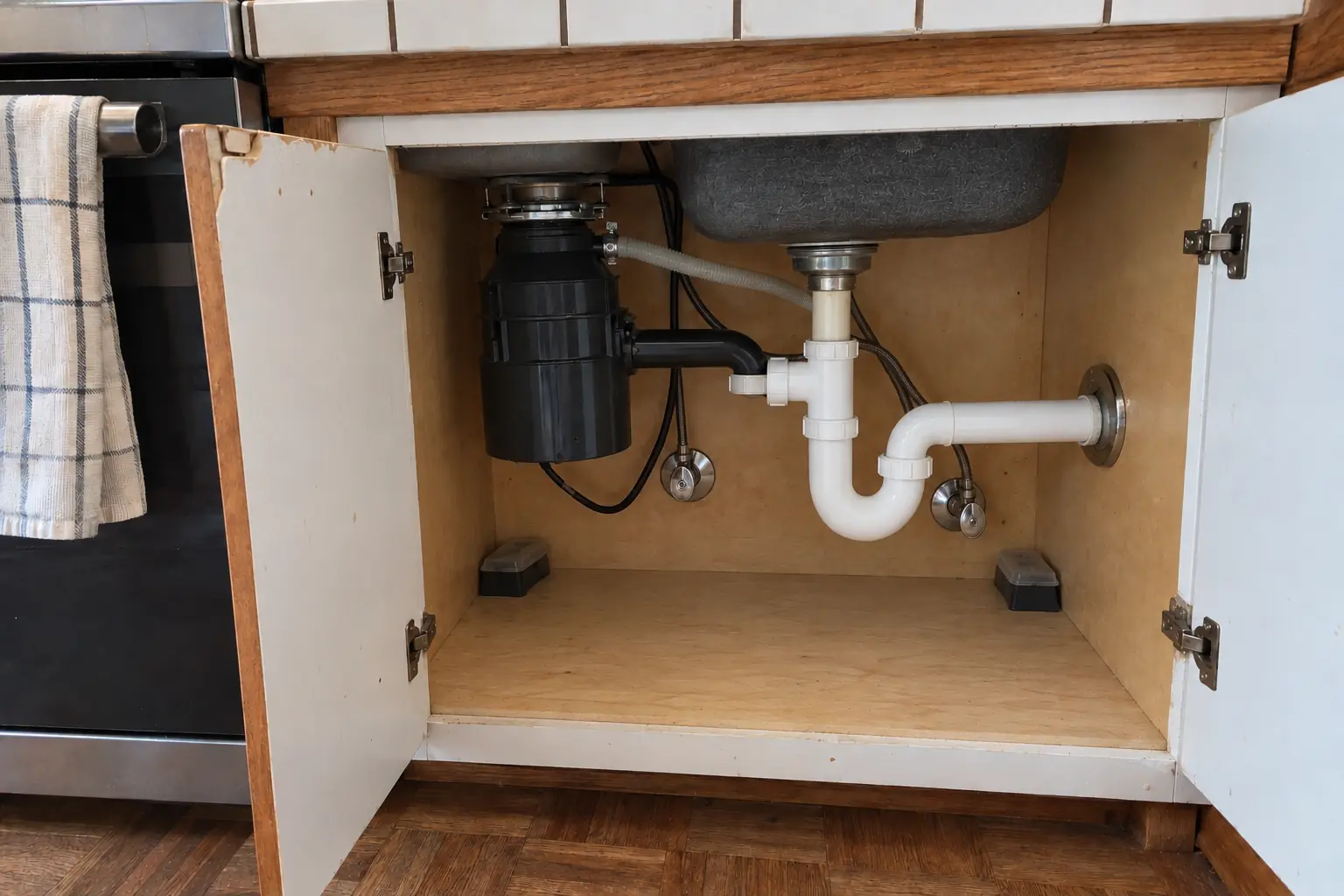
Ants in the kitchen and cockroaches in the kitchen show up for the same reasons: food, water and a way in. Ants are usually foragers coming in from outside along a trail to crumbs, sugar or pet food. Cockroaches are more often living indoors, hiding in warm, damp gaps behind the fridge, under the sink or inside cabinet voids, and coming out at night. Either way, a can of spray rarely solves it.
The approach that works is what pest professionals call integrated pest management: find where the pests live and get in, remove what feeds them, seal the gaps and use targeted baits where they travel. This guide covers how to tell what you are dealing with, what homeowners can safely do, and when to bring in a licensed pro. As a kitchen contractor, we see the building side of the problem: the gaps, leaks and cabinet voids that pests use.
Ants or cockroaches: what you are dealing with
The two pests behave differently, and the right response follows from that. Ants are usually a visitor problem with a nest outside or in a wall. Cockroaches are usually a resident problem, living and breeding inside the kitchen itself.
| Trait | Ants | Cockroaches |
|---|---|---|
| Where they live | Usually outside or in walls | Usually indoors, near warmth |
| When you see them | Daytime trails to food | Mostly at night |
| Telltale signs | Lines along counters and sills | Pepper-like droppings, odor, egg cases |
| Common kitchen species | Odorous house, pavement ants | German cockroach |
| What works | Baits, sealing entry points | Gel baits, growth regulators, follow-ups |
| DIY or pro | Often DIY | Usually a licensed pro |
Why ants get into the kitchen
Most ants you see on a counter are scouts and foragers. When one finds food, it lays a scent trail and others follow, which is why a single crumb can bring a line of ants within hours. In the Chicago area they often come in during spring and after heavy rain, through gaps around windows, door thresholds, foundation cracks and the pipe penetrations under the sink.
Carpenter ants are a different warning
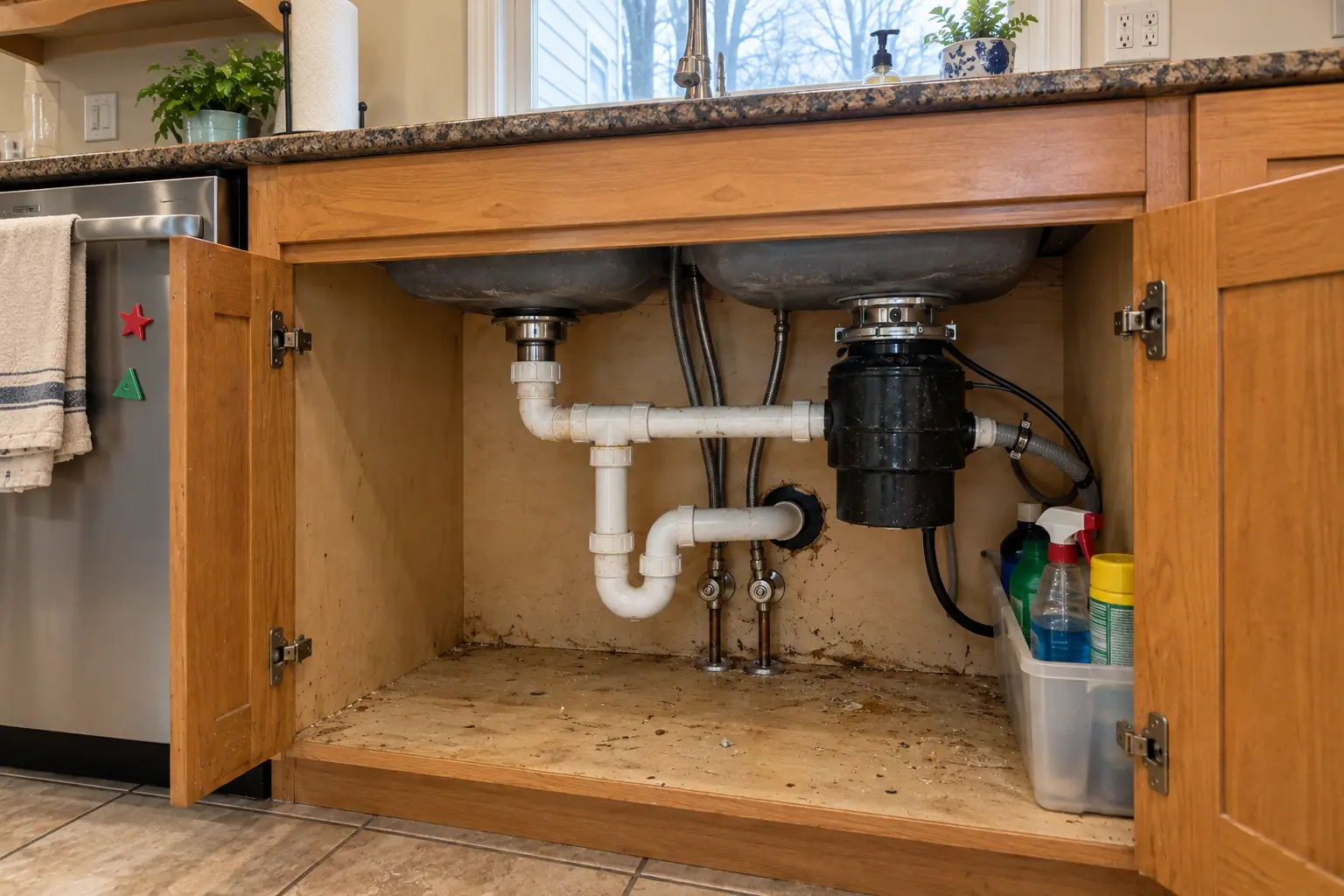
Carpenter ants are larger and nest in damp or damaged wood. Seeing them indoors, especially in late winter or early spring, can point to a moisture problem in a wall, a window frame or the floor under the sink. Treat them as a sign to look for a leak, not just as pests.
 Before
 After
How to get rid of ants in the kitchen
Wiping up the trail with soapy water removes the scent the others follow. That stops the parade for a while but does not reach the colony. Baits do: workers carry the bait back and share it. Follow the label exactly; the label is the law for any pesticide product.
- Follow the trailTrace the line back to where it enters the house: a window corner, a threshold, a pipe hole.
- Place bait stationsSet them along the trail, away from food prep areas and out of reach of children and pets. Leave them alone even if you see more ants at first.
- Remove the foodStore sugar, cereal, honey and pet food in sealed containers, and wipe counters and the floor under the toaster and around the trash daily while the problem lasts.
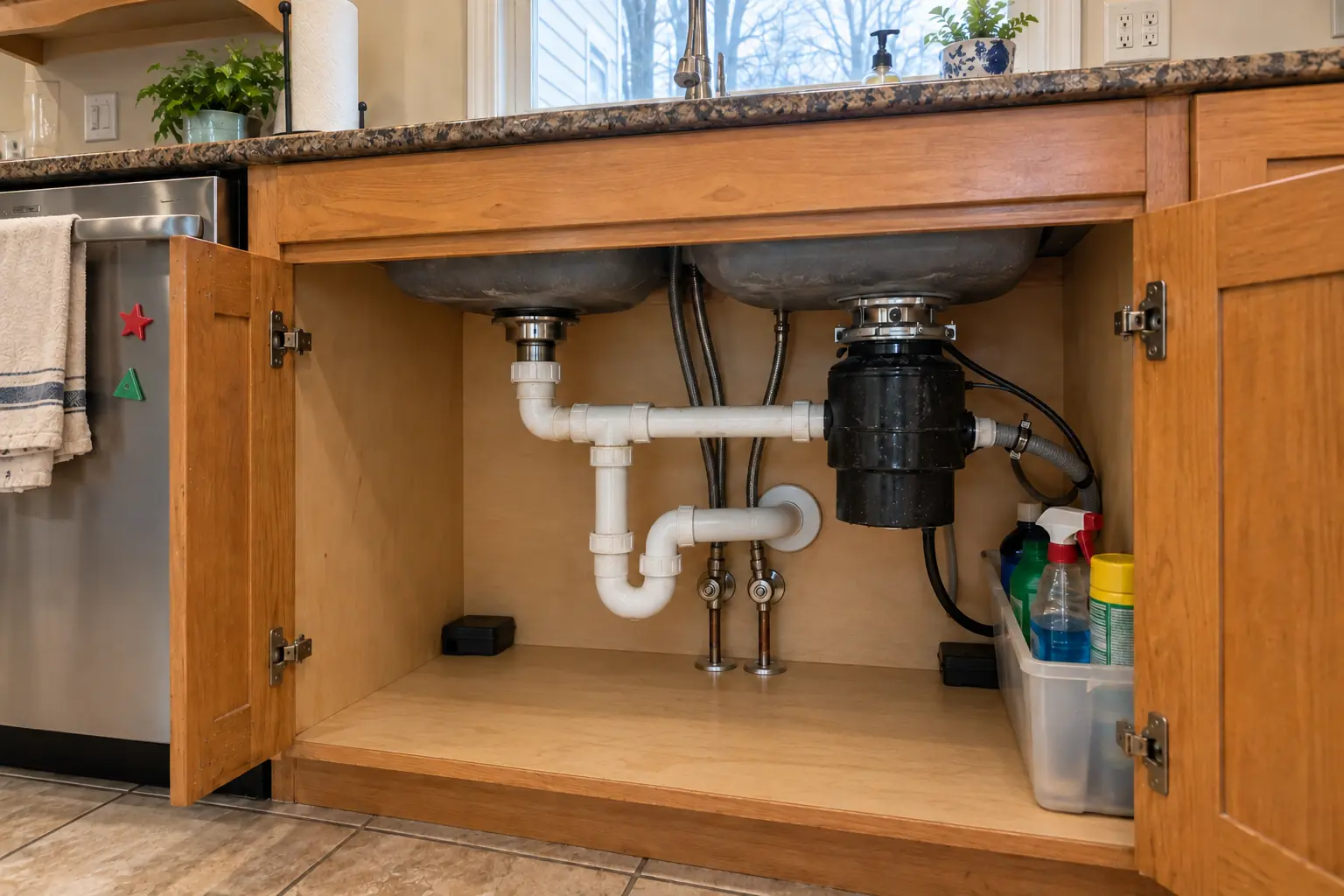
- Remove the waterFix drips and dry out the sink base; ants come for water as well as food.
- Seal the entryOnce activity drops, caulk the gap the trail used and trim plants and mulch back from the foundation near the kitchen wall.
Cockroaches in the kitchen: what they mean
German cockroaches are the species most often found in kitchens. They are small, light brown, breed quickly and live almost entirely indoors, close to food, warmth and water. Seeing them in daylight often means a well-established population. Larger American and Oriental cockroaches are more often found in basements and drains and can wander up into kitchens.
Signs of cockroaches
- Small dark droppings that look like pepper or coffee grounds in drawers and along cabinet edges.
- A musty odor in cabinets or behind appliances.
- Egg cases and shed skins in hinges, corners and behind the fridge.
Cockroaches in apartments and condos
In multi-unit buildings, cockroaches travel between units along plumbing chases, wiring and shared walls. A building-wide plan coordinated by management works far better than treating one kitchen.
How cockroach control usually works
Professional cockroach treatment today relies heavily on gel baits placed in cracks and crevices, insect growth regulators that stop roaches from reproducing, and monitoring traps that show where activity is concentrated. Broad spraying can scatter roaches into walls and may make them avoid baits, so many technicians use it sparingly. Expect follow-up visits; one treatment rarely ends a German cockroach problem.
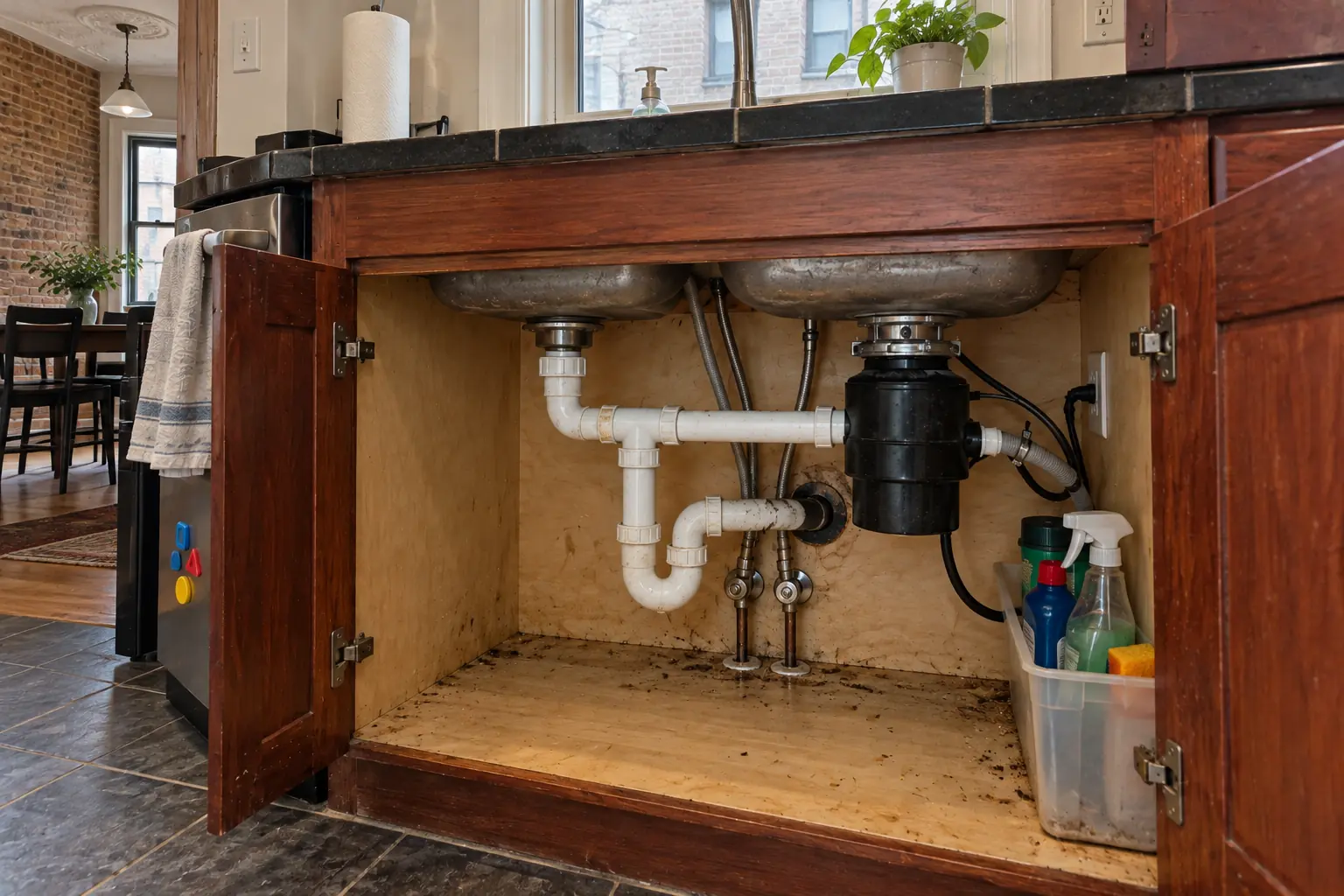
Your part is sanitation and access. Clean grease behind and under the range, empty the toaster crumb tray, do not leave dishes or pet food out overnight, fix leaks and take the trash out daily. Remove cardboard boxes and paper bags, which roaches like to hide and breed in.
 Before
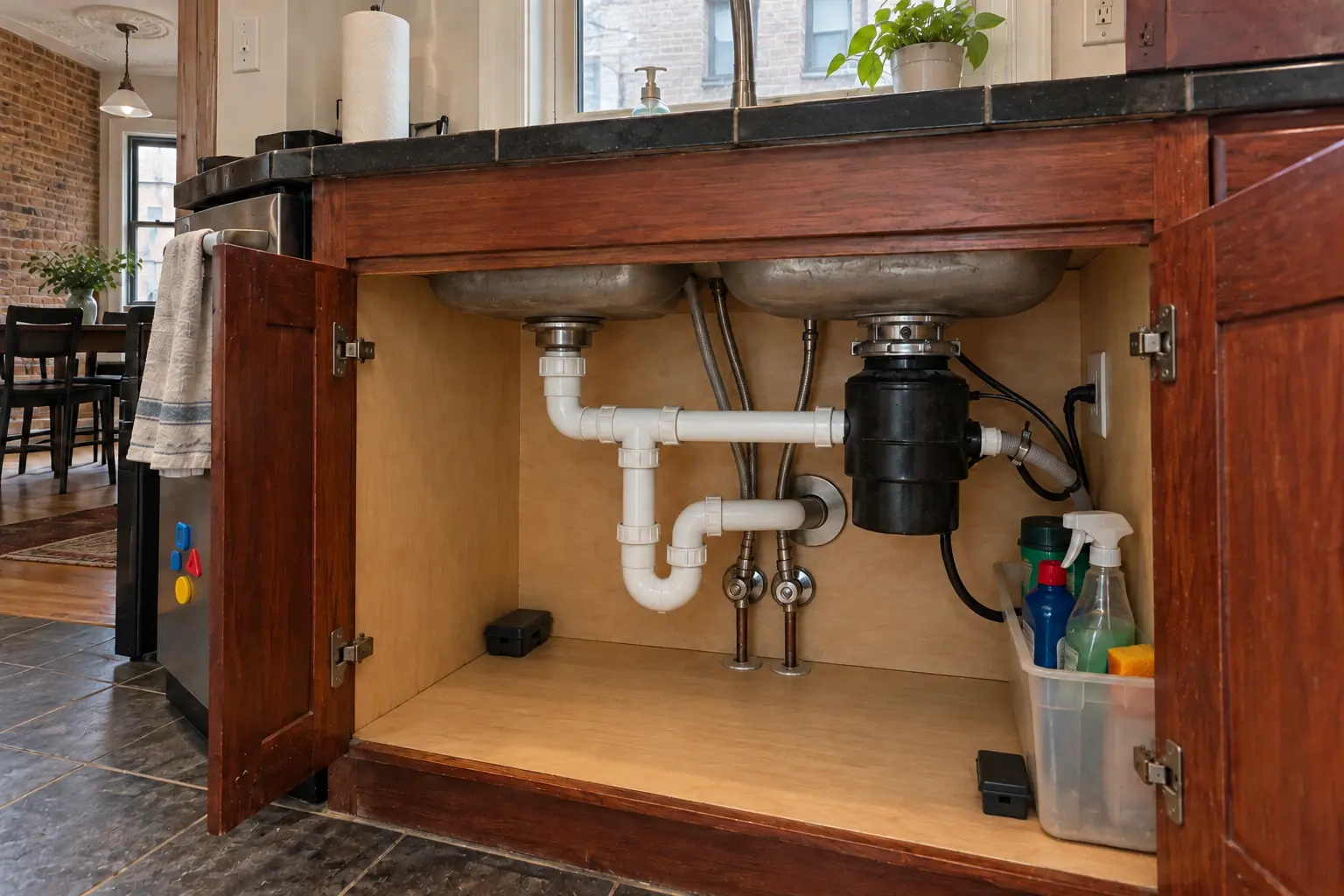 After
Kitchen gaps and hiding places to seal
This is where kitchen work and pest work meet. Cabinets, appliances and plumbing create voids that pests use as highways and shelter, and most of them are hidden behind finished panels.
- Holes where supply and drain pipes pass through the back of the sink cabinet and the wall.
- Gaps between the countertop backsplash and the wall, and around the cooktop cutout.
- The space under base cabinets behind the toe kick.
- Openings around the dishwasher, fridge water line and gas line.
- Gaps around outlets and switch boxes on exterior walls.
- Damaged weatherstripping and door sweeps on doors near the kitchen.
Choosing a pest control company in Illinois
In Illinois, structural pest control businesses and technicians are licensed through the Illinois Department of Public Health (IDPH). A good technician starts with an inspection and explains what they found before treating.
Questions to ask before hiring
- Do the company and the technician hold an IDPH structural pest control license?
- What products will you use in the kitchen, and where exactly will they go?
- How do you keep products away from food and food-contact surfaces?
- Which cabinets should be emptied, and when can they be restocked?
- How many follow-up visits are included?
Health and safety concerns
If anyone in the home is pregnant, has asthma or other health concerns, or if pets may reach treated areas, tell the technician and ask about precautions. Questions about health effects belong with your doctor or the product's safety data sheet.
Keeping pests out after the problem is solved
Pests come back when food, water and openings come back. A dry sink base, sealed gaps, tidy storage and a clean area behind appliances make a kitchen far less attractive. Watch for early signs, such as a few ants near the sink or droppings in a drawer, and act on them before a few visitors become a colony.
A remodel is the best chance to fix the building side for good: seal pipe penetrations, close cabinet voids and repair any old leaks before new cabinets and counters cover them up.
Frequently asked questions
Why do I suddenly have ants in my kitchen?
Does seeing one cockroach mean an infestation?
Are ant baits safe to use in the kitchen?
Can cockroaches come from neighbors in an apartment?
Do I need to empty my cabinets before pest treatment?
Who licenses pest control companies in Illinois?
Kitchen Pest Control in your town
- Carol Stream
- Naperville
- Schaumburg
- Wheaton
- Glen Ellyn
- Bloomingdale
- Bartlett
- Roselle
- Hanover Park
- Glendale Heights
- West Chicago
- Winfield
- Warrenville
- Lisle
- Downers Grove
- Lombard
- Villa Park
- Elmhurst
- Oak Brook
- Addison
- Itasca
- Wood Dale
- Elk Grove Village
- Hoffman Estates
- Arlington Heights
- Palatine
- Mount Prospect
- Des Plaines
- Park Ridge
- Skokie
- Evanston
- Northbrook
- Glenview
- Highland Park
- Buffalo Grove
- Lake Zurich
- Oak Park
- Berwyn
- Tinley Park
- Orland Park
- Bolingbrook
- Aurora
- Elgin
- St. Charles
- Geneva
- Batavia
- Crystal Lake
- Plainfield
- Woodridge
Sources
Keep reading
-
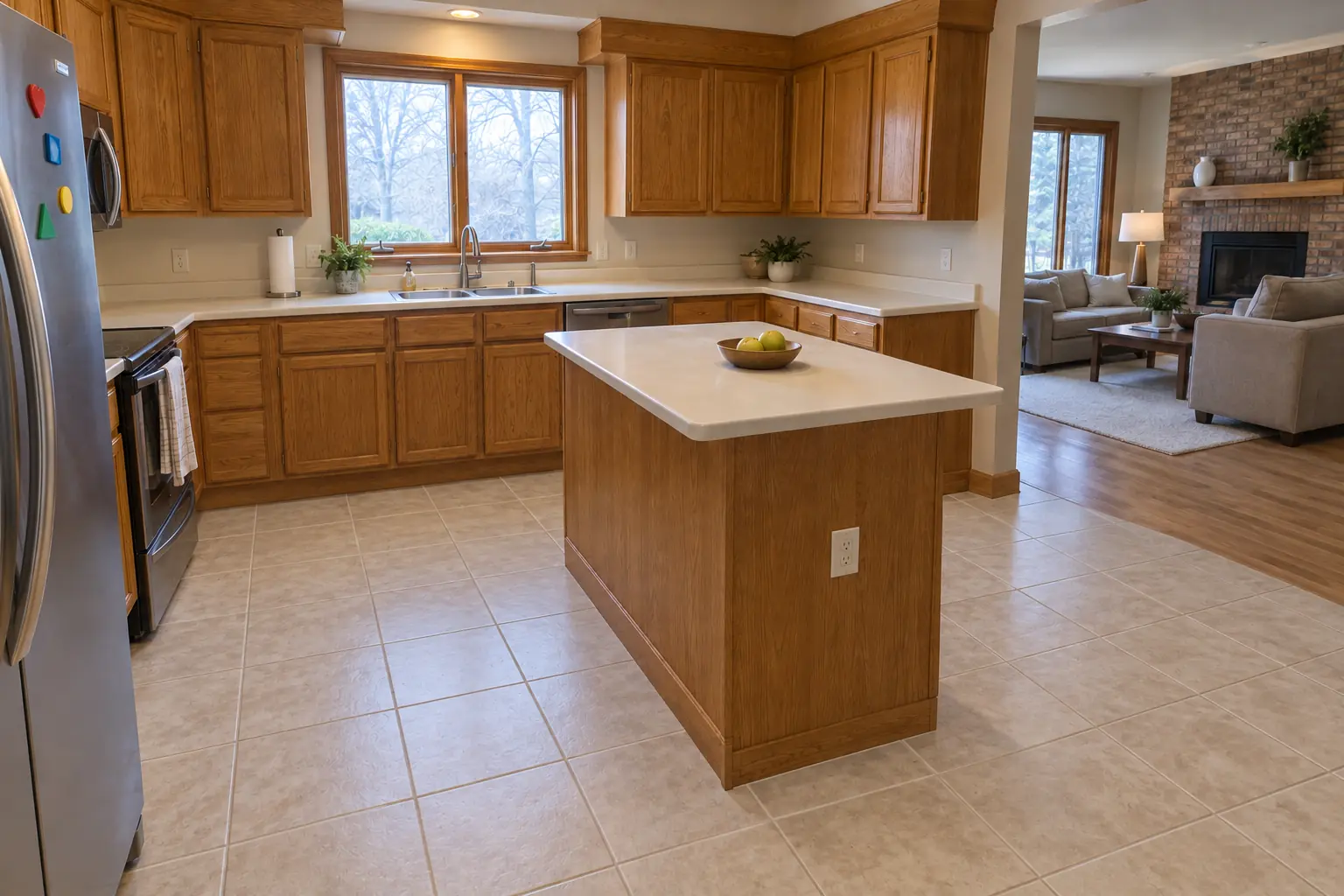 Repairs, cleaning and damageMold Under the Kitchen Sink and Water Damage Under Kitchen Cabinets: What to DoMold under the kitchen sink means moisture first. Stop the water source, dry the cabinet within 24 to 48 hours, then clean hard surfaces with…3 min read
-
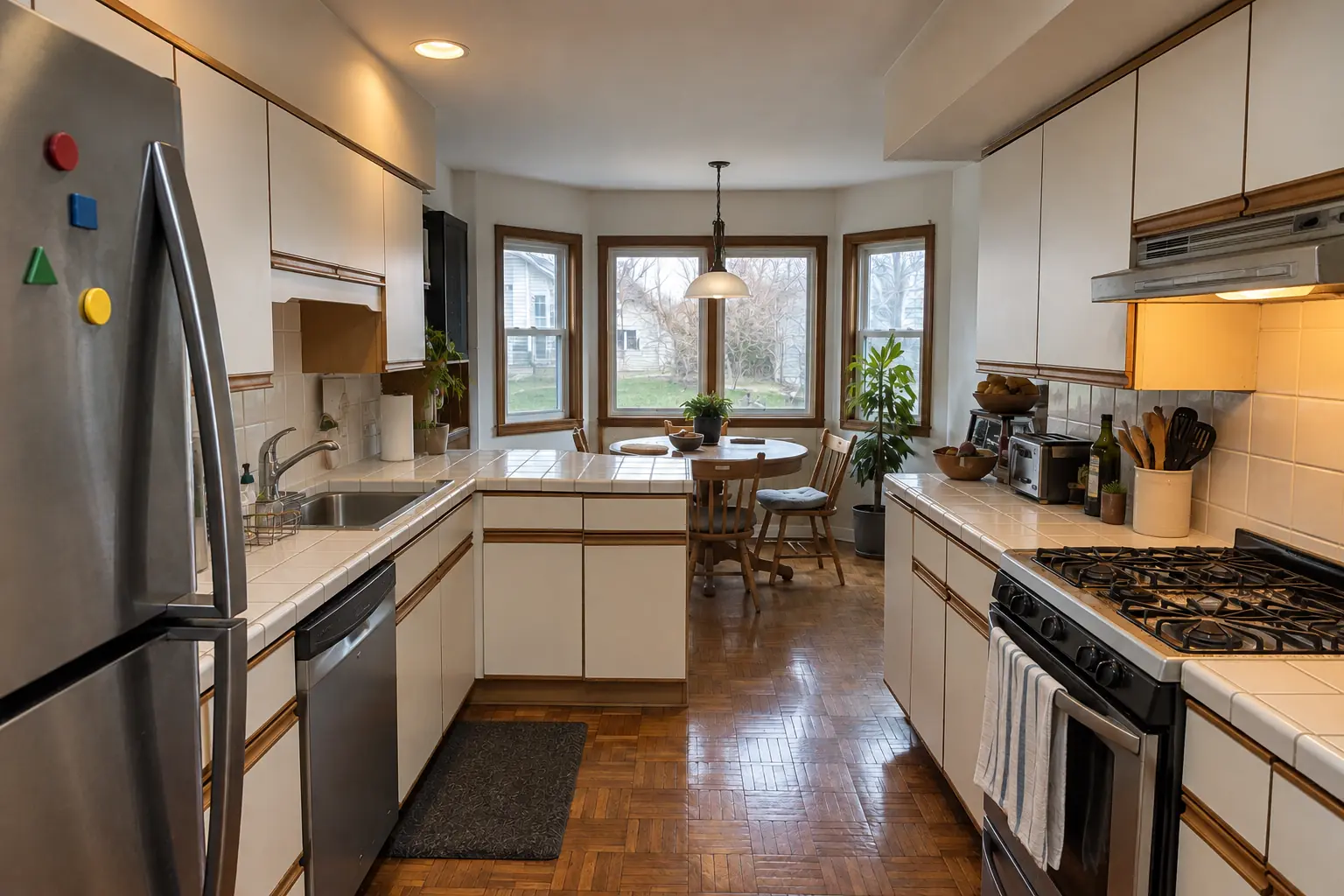 Repairs, cleaning and damageHow to Remove Grease From Kitchen Cabinets, Plus a Post-Renovation Kitchen Cleaning ChecklistTo remove grease from kitchen cabinets, wipe them with warm water and a few drops of grease-cutting dish soap on a damp microfiber cloth, rinse with…3 min read
-
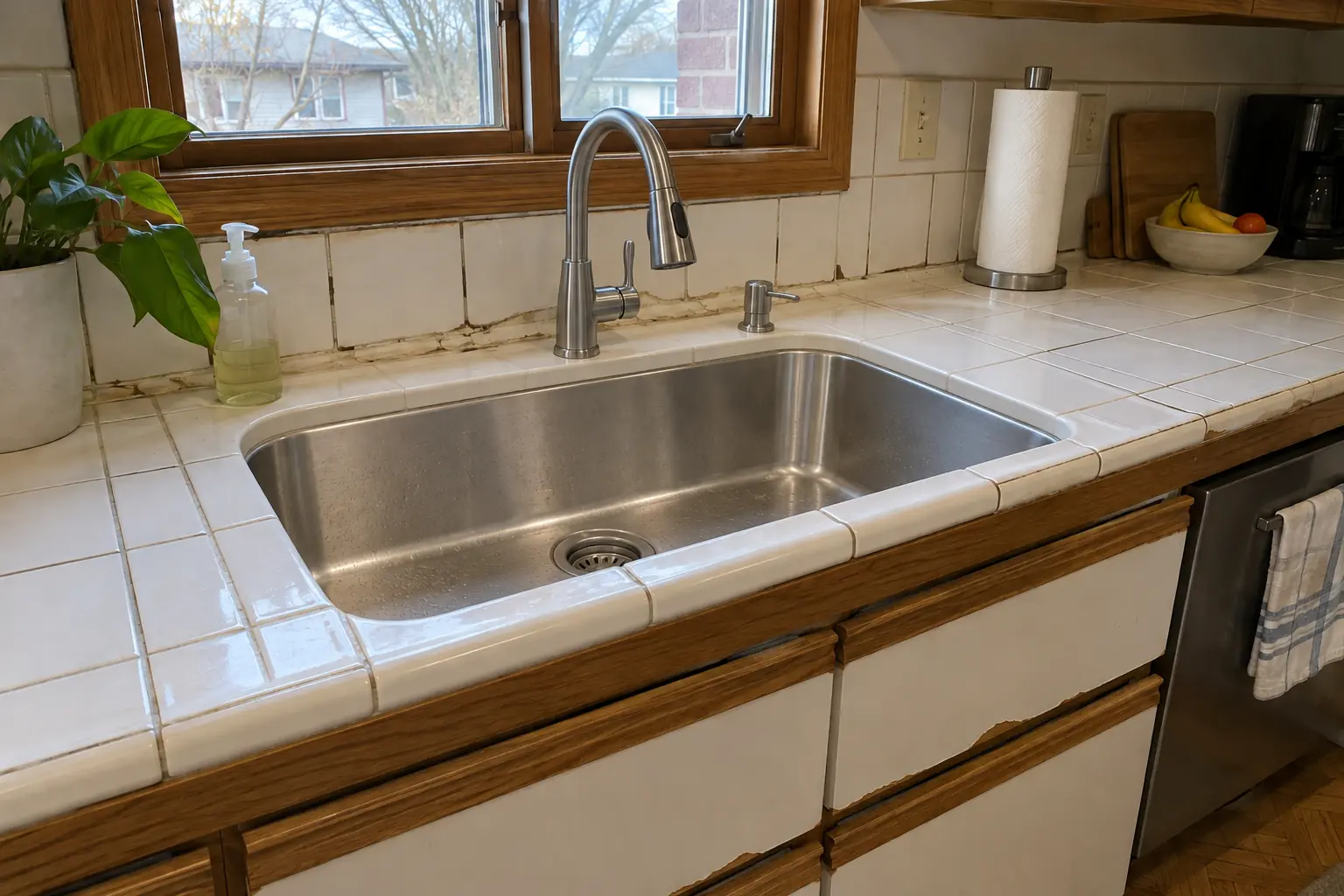 Plumbing, appliances and electricalKitchen Sink Replacement and Plumbing: What Drives the Cost and Can You Move a Sink?Kitchen sink replacement cost stays modest when the new sink fits the same countertop opening and the drain stays put. It rises when the sink changes…4 min read