Serving Elgin & nearby St. Charles, Bartlett

Kitchen Pest Control in Elgin, IL

Cockroaches, mice and ants handled at the source in Elgin kitchens, with entry points sealed and food areas kept safe.

  • Crews working in Elgin ZIP 60123, 60124, 60120, 60140
  • Products that are safe for your finishes
  • Appliances, hood and the hard-to-reach places included

Prefer a callback?

Leave your number and a Elgin pest control technician will call you.

Kitchen pest problems we deal with in Elgin

Kitchens draw pests because they offer food, water and warm hiding spots behind appliances and under the sink. In Elgin we use integrated pest management: find where they live and get in, seal the gaps, remove what feeds them and apply targeted treatment. Treatment is applied by IDPH-licensed technicians.

Roaches in cabinets and around the sink

Moisture under the sink keeps roaches coming back. Sealing, bait placement and fixing drips go together.

Scratching in the walls or ceiling

Noise at night in the kitchen ceiling or walls often comes from mice moving between floors. We check the gaps around pipes, vents and the gas line.

Pests behind the refrigerator and stove

Behind and under the range is where crumbs collect. Cleaning it out removes a food source that keeps pests around.

Gaps around pipes and gas lines

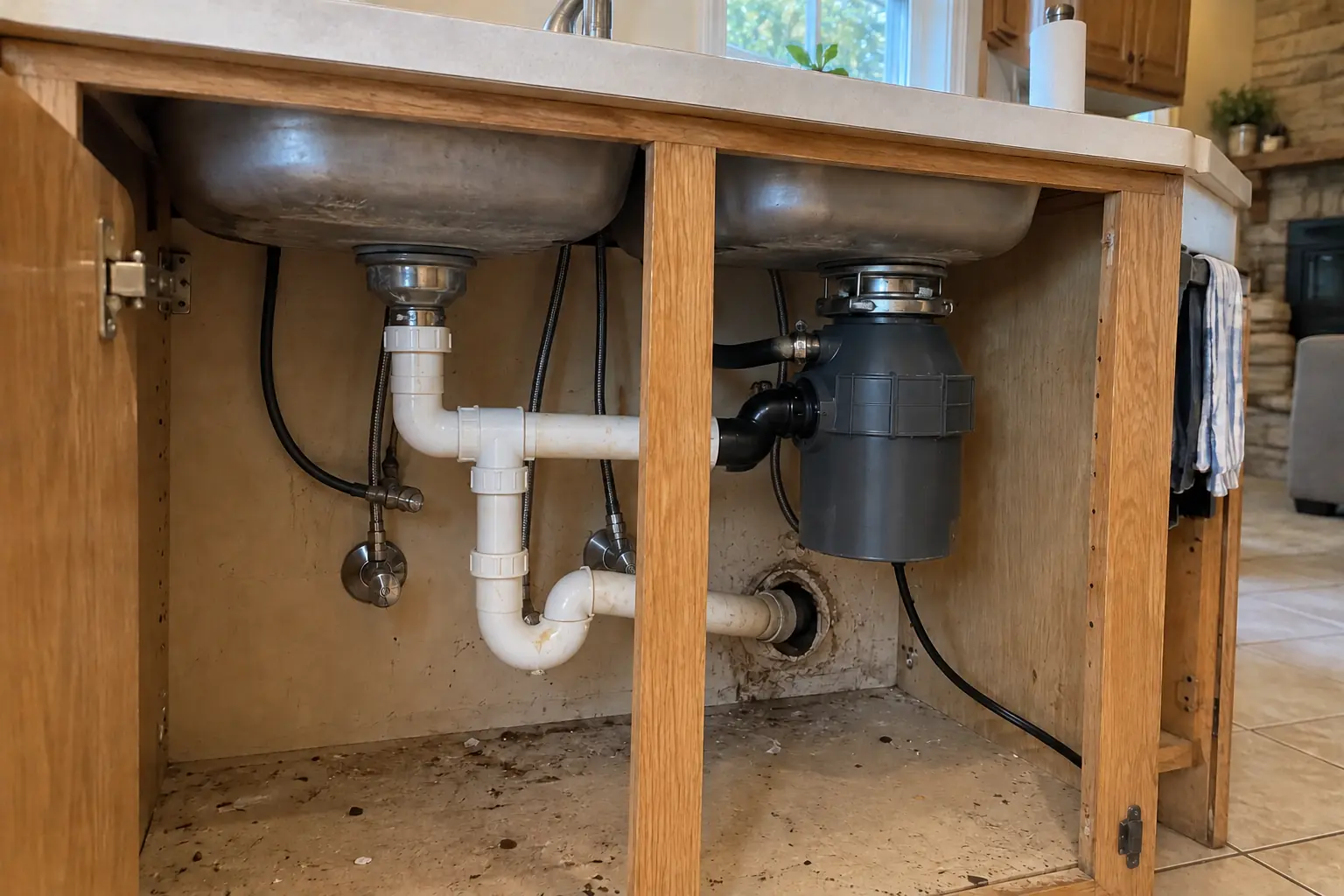
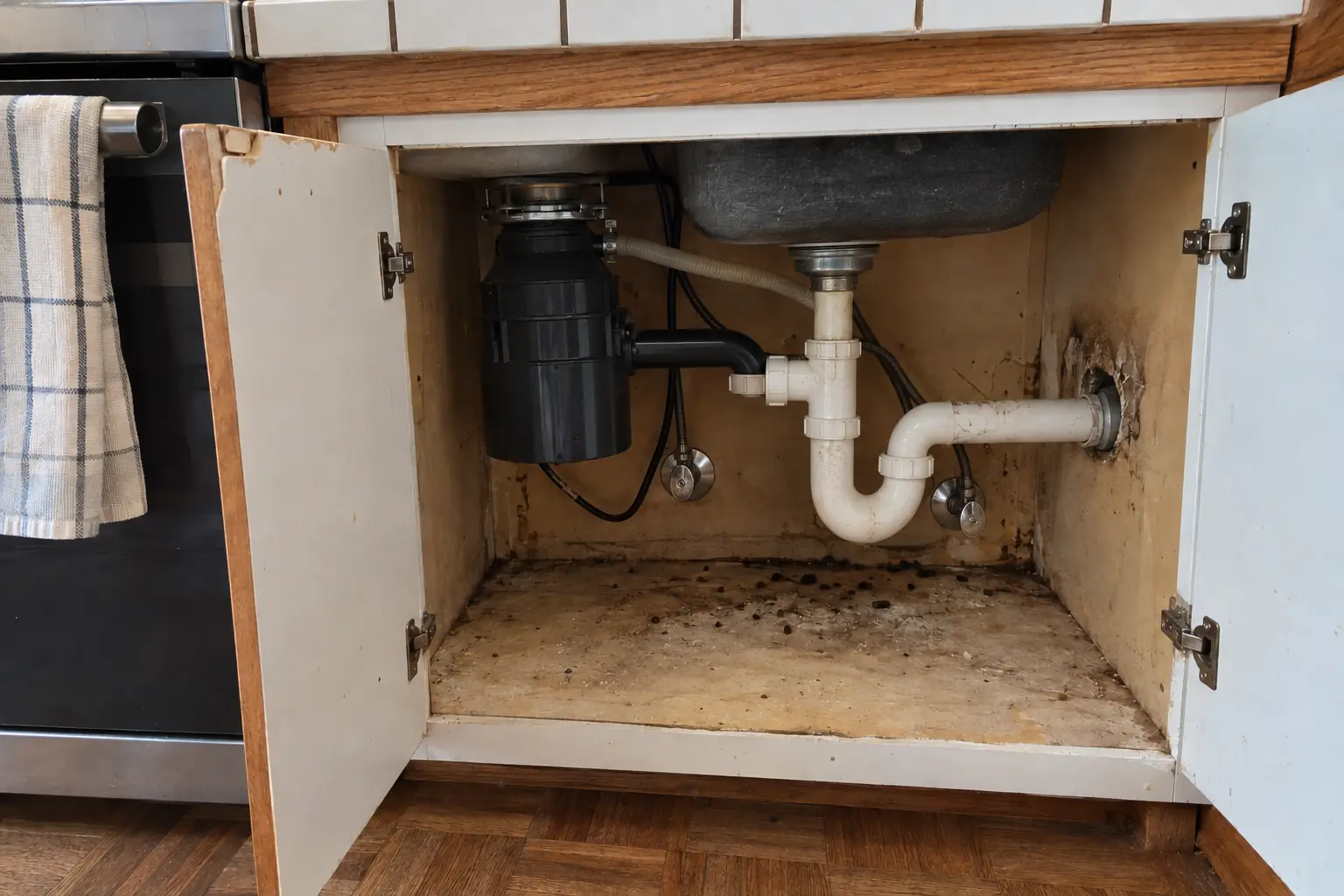
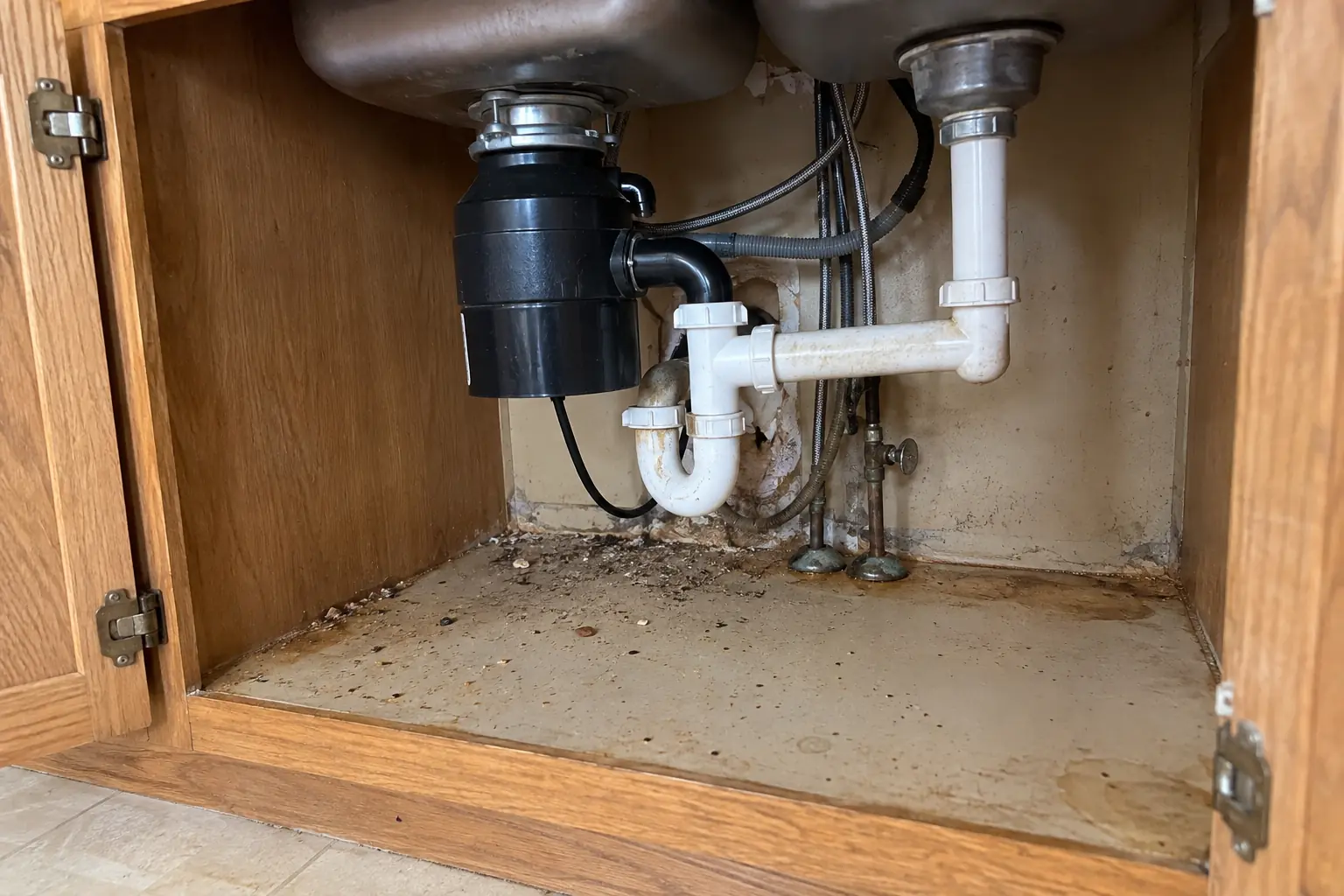
The hole cut for the sink drain is often much larger than the pipe. Sealing it, plus escutcheon plates, closes a common entry.

Pests that came back after DIY sprays

Store-bought sprays can scatter roaches deeper into walls and don't affect eggs. A plan built on baits, sealing and monitoring works better.

Pantry moths and beetles in food

Pantry pests live in the food itself, so treatment starts with finding and discarding infested packages and cleaning the shelves.

Cockroaches at night

Roaches hide by day in warm, tight spaces like hinges, the motor area of the fridge and gaps behind the backsplash. Gel baits placed in those harborages work far better than spraying open surfaces.

Moisture under the sink

Water is as important to pests as food. A slow drip under the sink can keep an infestation going.
What we clean

  • InspectionWe inspect cabinets, the sink base, behind appliances, the pantry and entry points, and identify the pest.
  • Identifying the pestWe confirm what you have before choosing baits, traps or other methods.
  • Explaining the planWe tell you what will be used, where it goes and what you need to do.
  • Sealing entry pointsWe close the openings pests use, starting with plumbing penetrations.
  • Sanitation adviceWe point out food sources, clutter and moisture that keep pests around.
  • Targeted treatmentGel baits in cracks for roaches, traps and stations for mice, baits for ants, placed away from food areas.
  • MonitoringWe place monitors to track results between visits.

Methods we use

Exclusion materialsMaterials mice can't easily chew through, used to seal entry points.
Sticky monitorsSimple traps that tell us where pests are moving.
Sealed food storageAirtight containers for flour, cereal and pet food take away an easy food source.
Snap traps and enclosed stations for miceSet along walls and inside cabinet voids, in enclosed stations where kids and pets are present.
Ant baitsPlaced near the trail so ants take it back to the nest.

Kitchen Pest Control before and after — Elgin homes

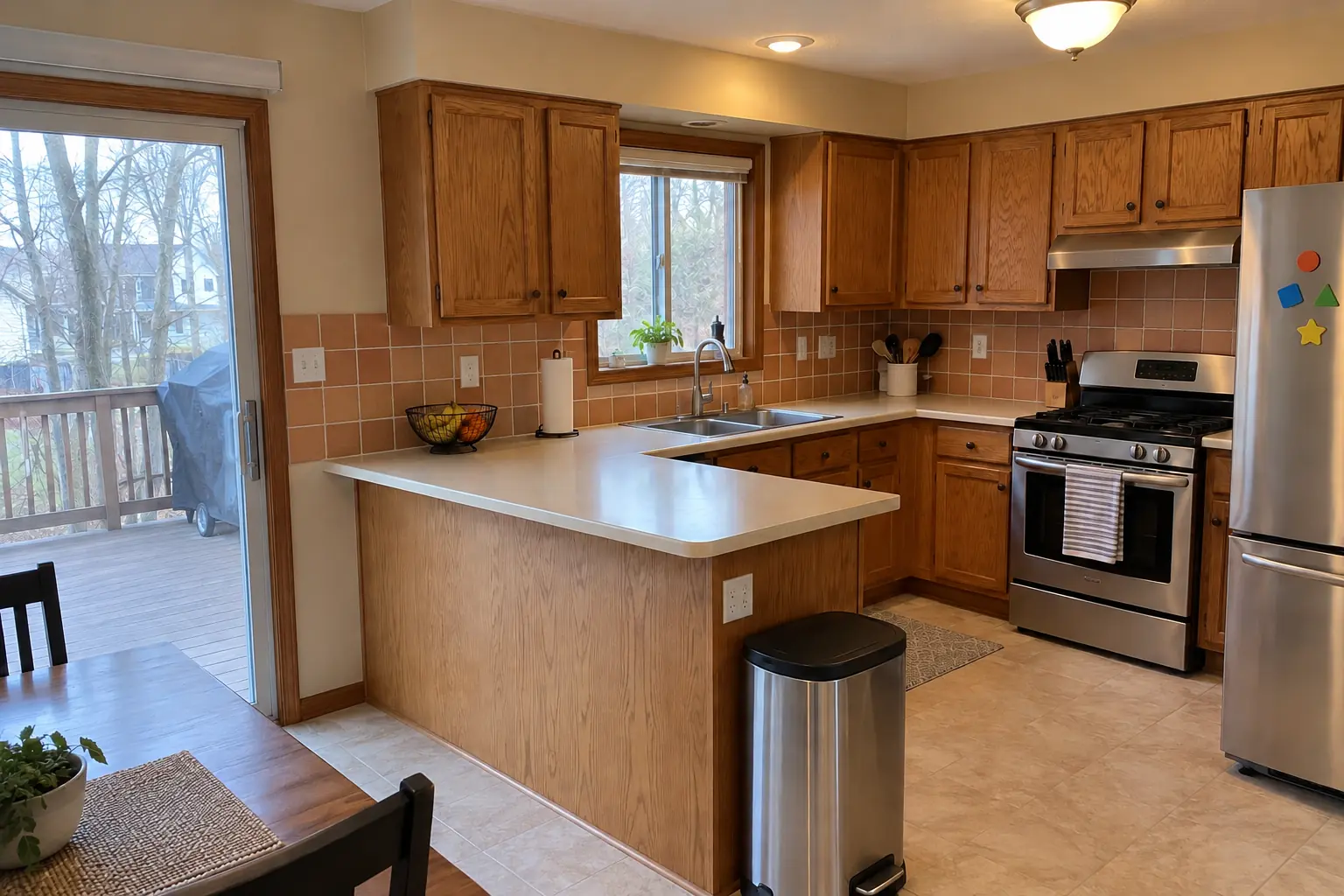
Kitchen Pest Control in a 1980s-1990s two-story colonial / tract house — beforeBefore
Kitchen Pest Control in a 1980s-1990s two-story colonial / tract house — afterAfter

Elgin kitchen, 1980s two-story: kitchen pest control

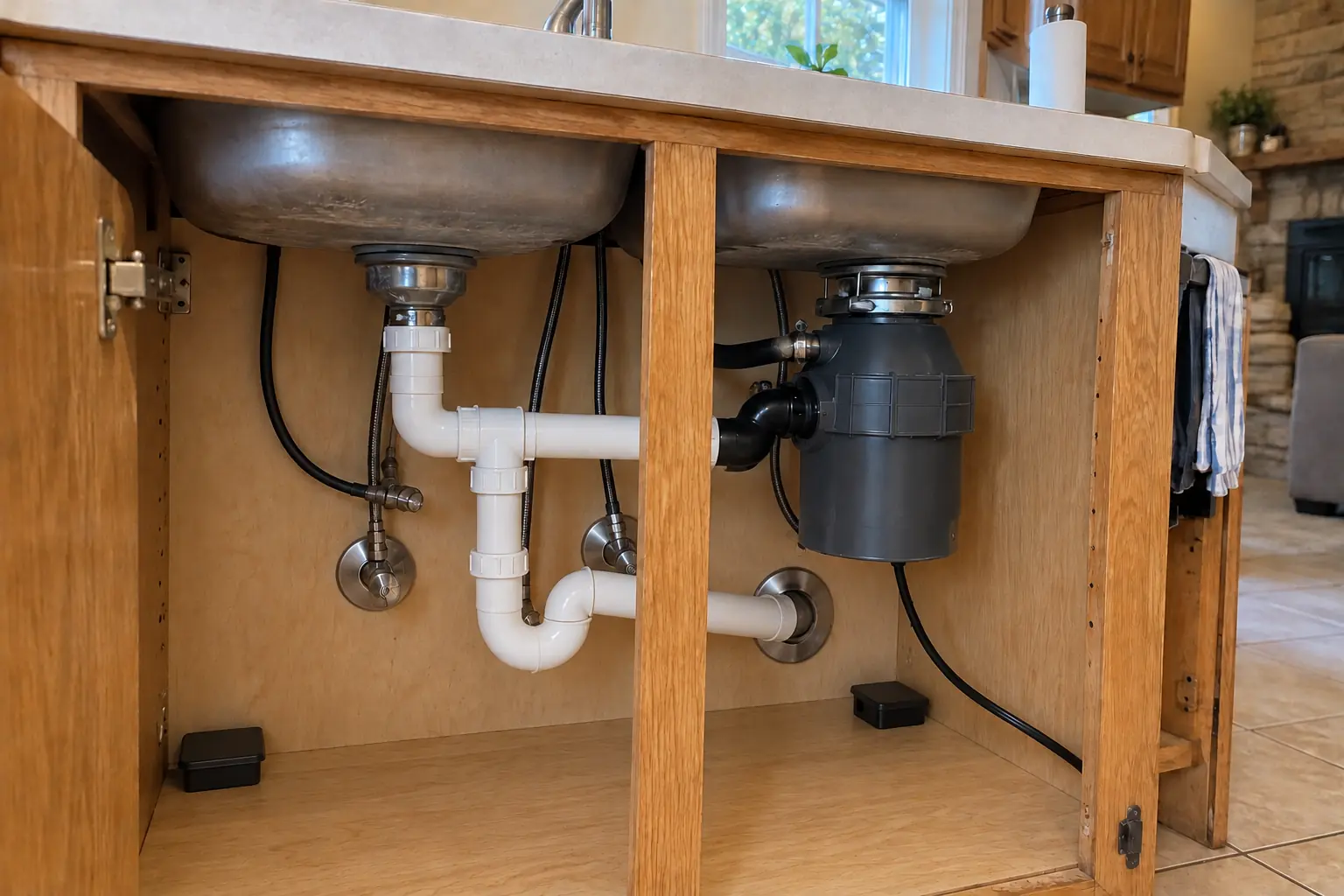
This one is a 1980s two-story near Gifford Park. The reason for the call: ants along the counter. After: the same cabinet cleaned, pipe gaps sealed with escutcheon plates and discreet bait stations in place. Work included inspection, sanitation advice, plus monitoring.
Kitchen Pest Control project in St. Charles, beforeBefore
Kitchen Pest Control project in St. Charles, afterAfter

St. Charles kitchen, 1980s two-story: kitchen pest control

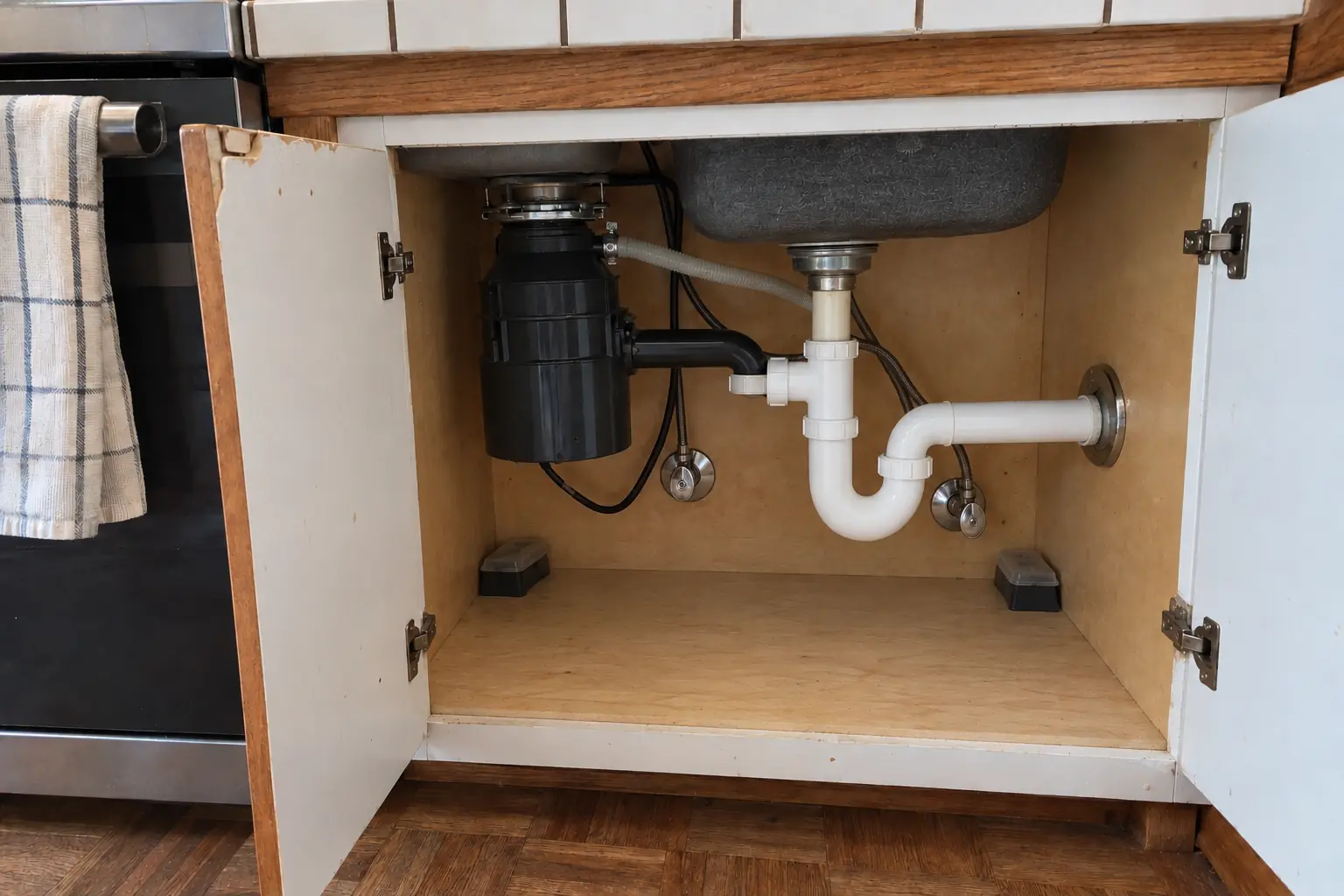
The site: a 1980s two-story in St. Charles. The main complaint was pests under the sink that kept coming back. The result: the same cabinet cleaned, pipe gaps sealed with escutcheon plates and discreet bait stations in place. Work included inspection, explaining the plan, plus targeted treatment.

Kitchen Pest Control in St. Charles →
Kitchen Pest Control project in Hanover Park, beforeBefore
Kitchen Pest Control project in Hanover Park, afterAfter

Kitchen Pest Control in a 1990s two-story colonial, Hanover Park

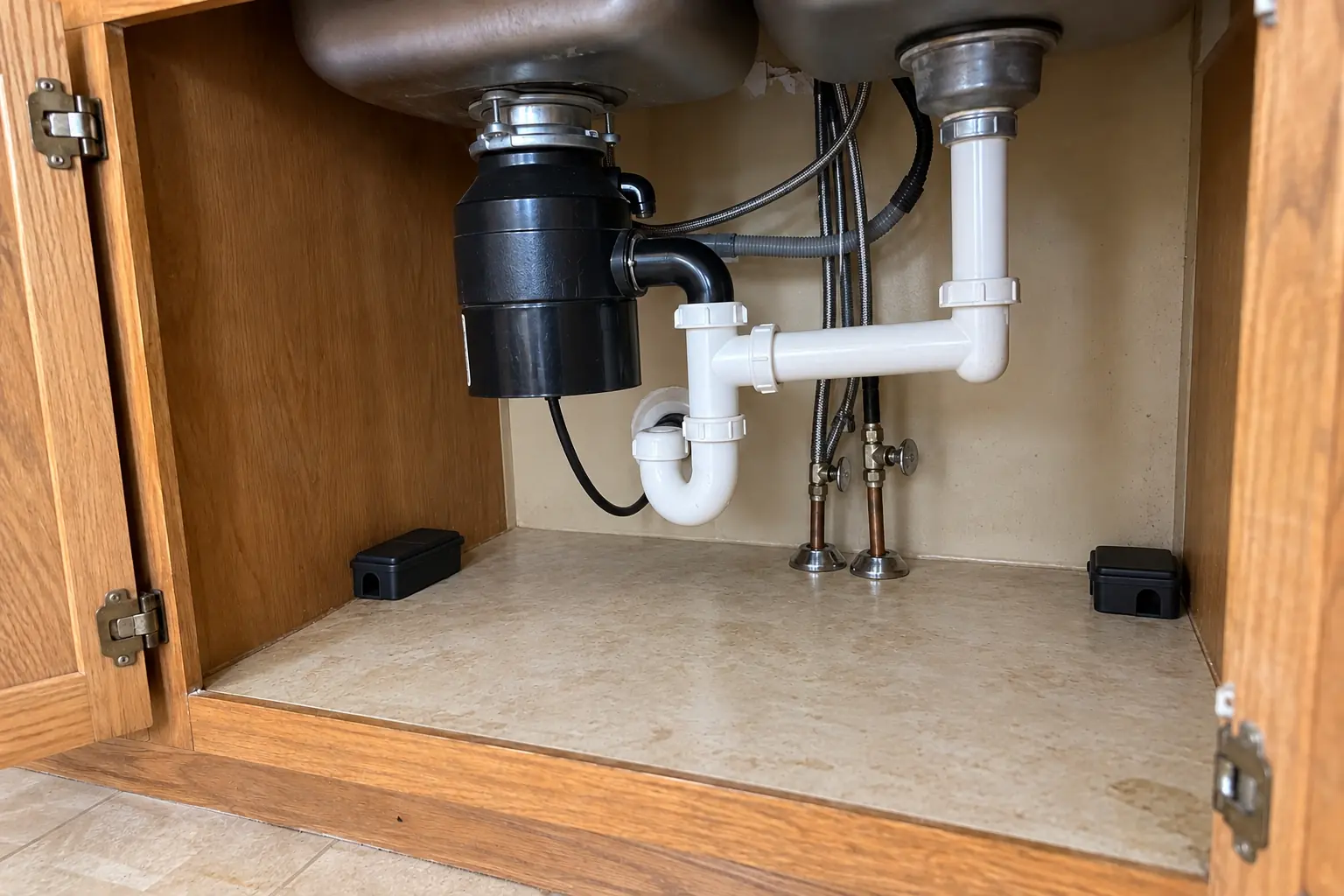
This one is a 1990s two-story colonial in Hanover Park. What bothered the owners most: mouse droppings in the cabinets. Finished kitchen: the same cabinet cleaned, pipe gaps sealed with escutcheon plates and discreet bait stations in place. The job covered inspection, explaining the plan, plus sanitation advice.

Kitchen Pest Control in Hanover Park →
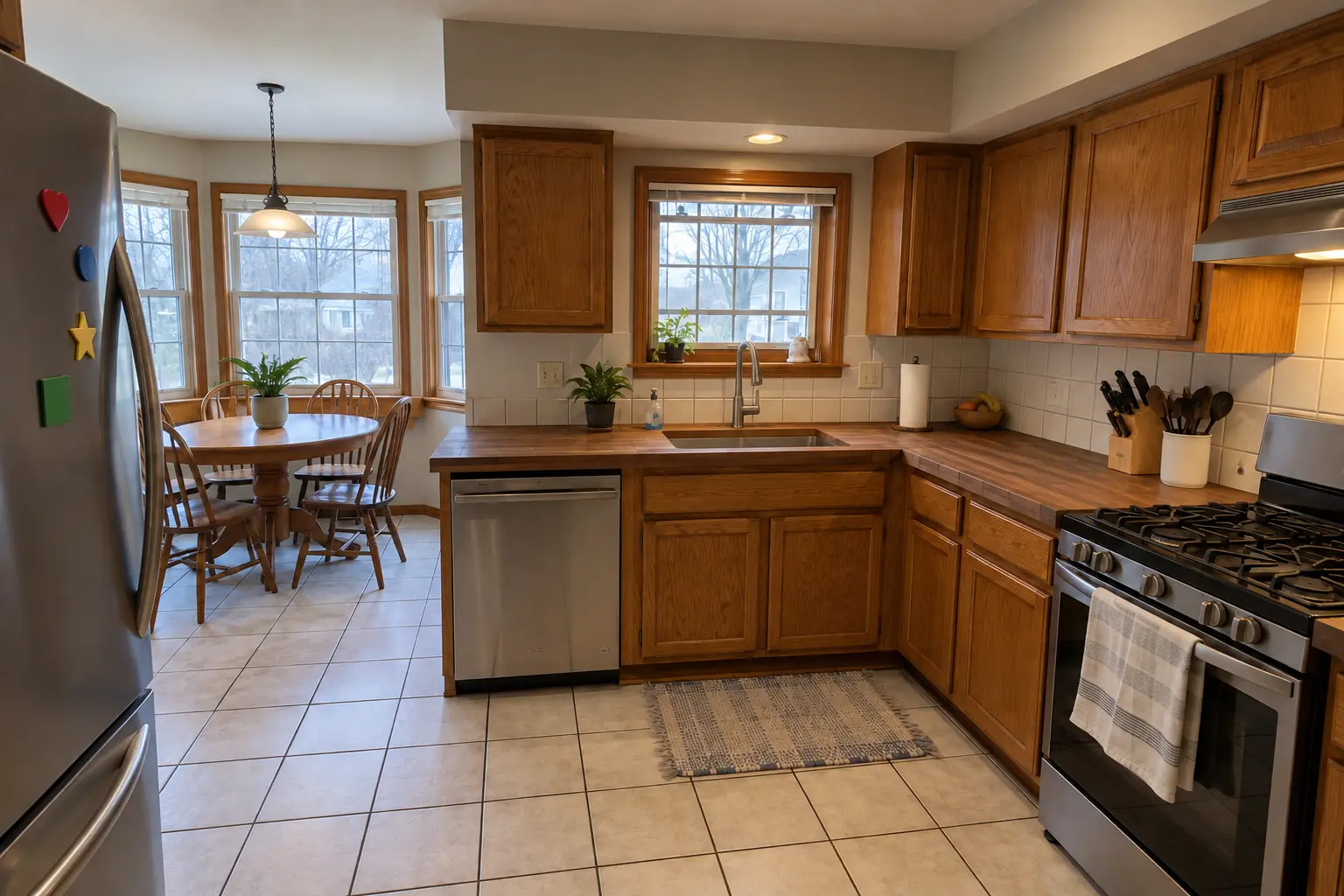
Kitchen Remodeling project near Elgin, beforeBefore
Kitchen Remodeling project near Elgin, afterAfter

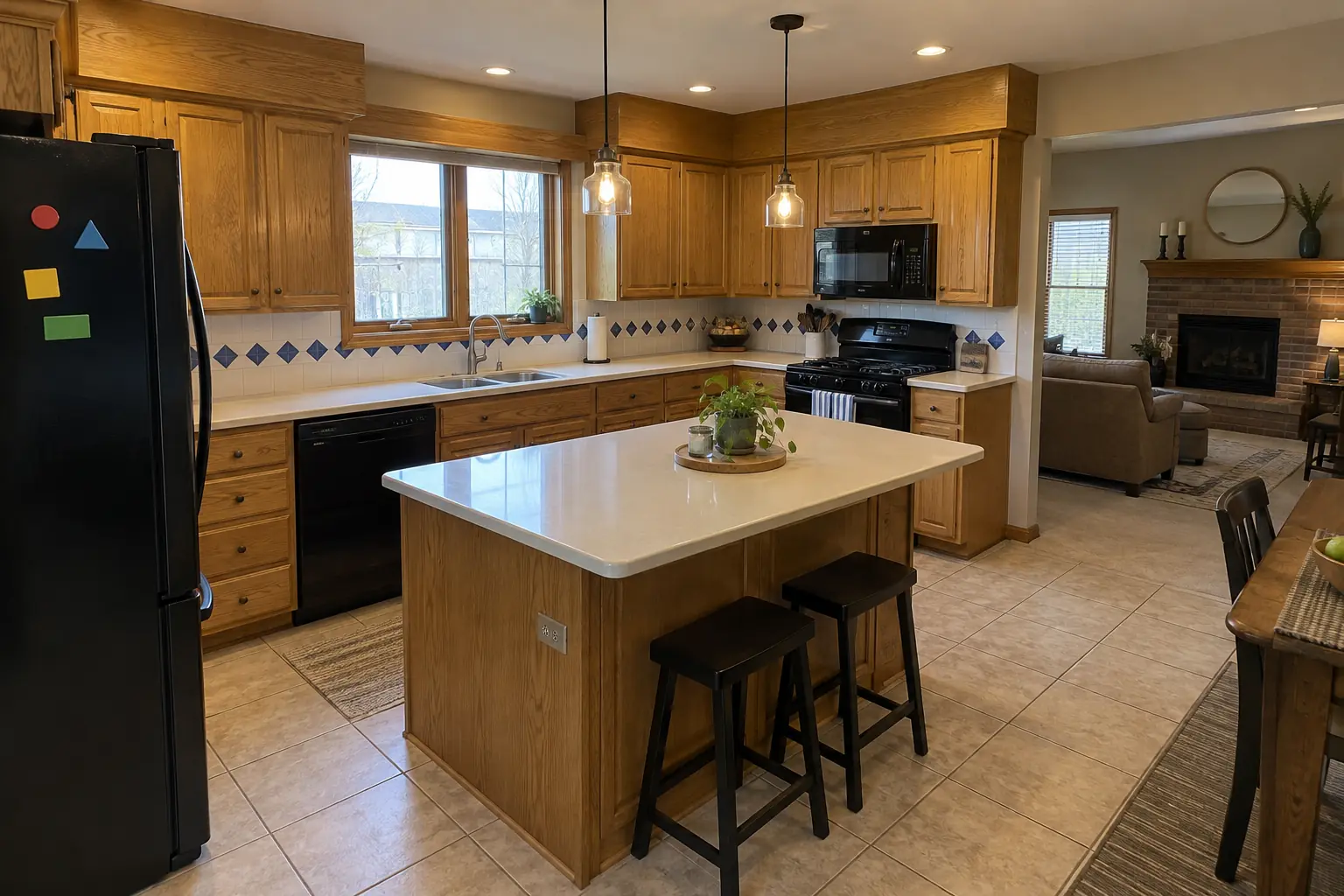
Before and after: a 1980s two-story in Elgin

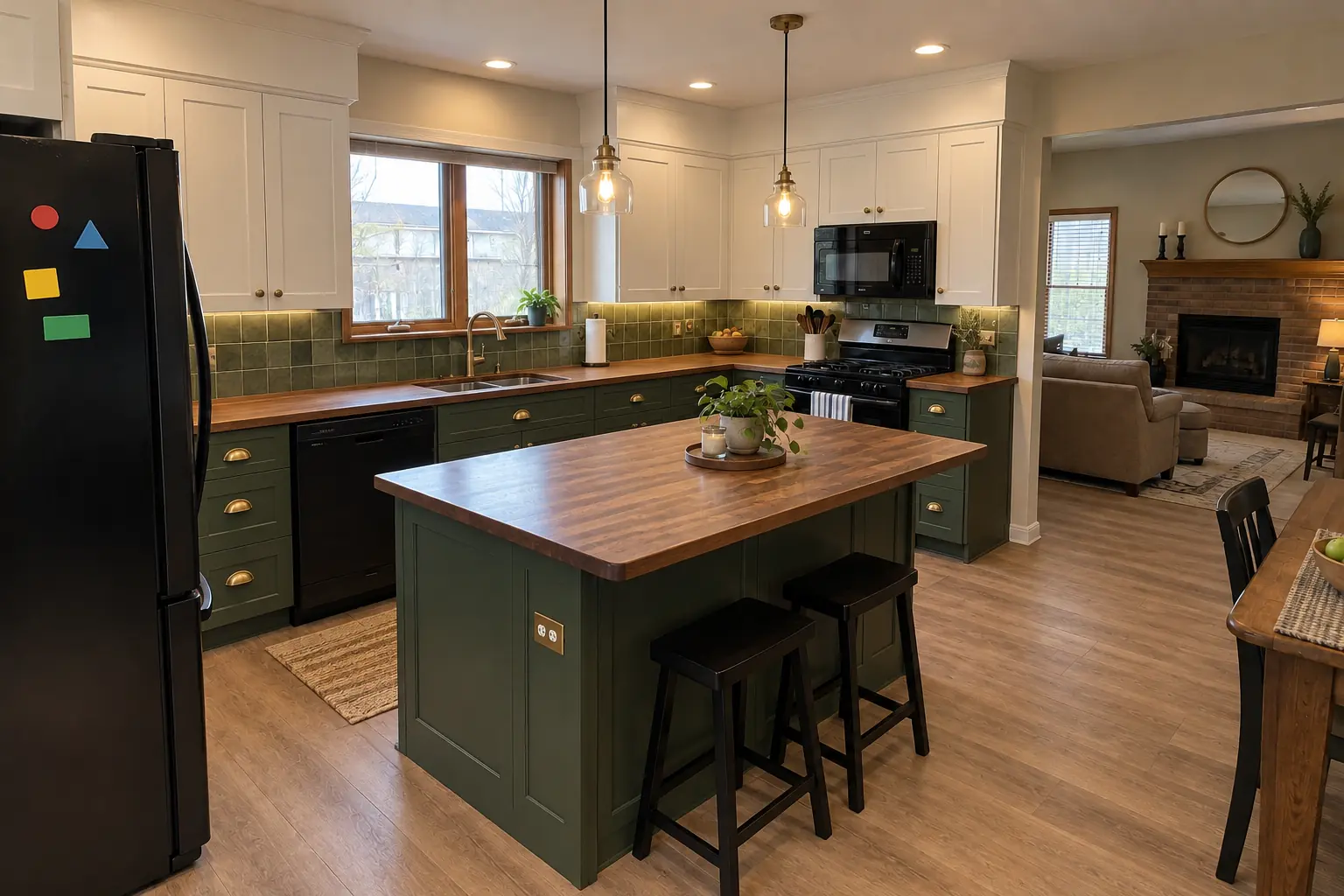
What changed: cabinets in white uppers and deep green lowers with unlacquered brass knobs and cup pulls, warm walnut butcher block counters, a green zellige-look tile backsplash, warm oak luxury vinyl plank flooring and recessed lights and under-cabinet LED strips.

Kitchen Remodeling in Elgin →
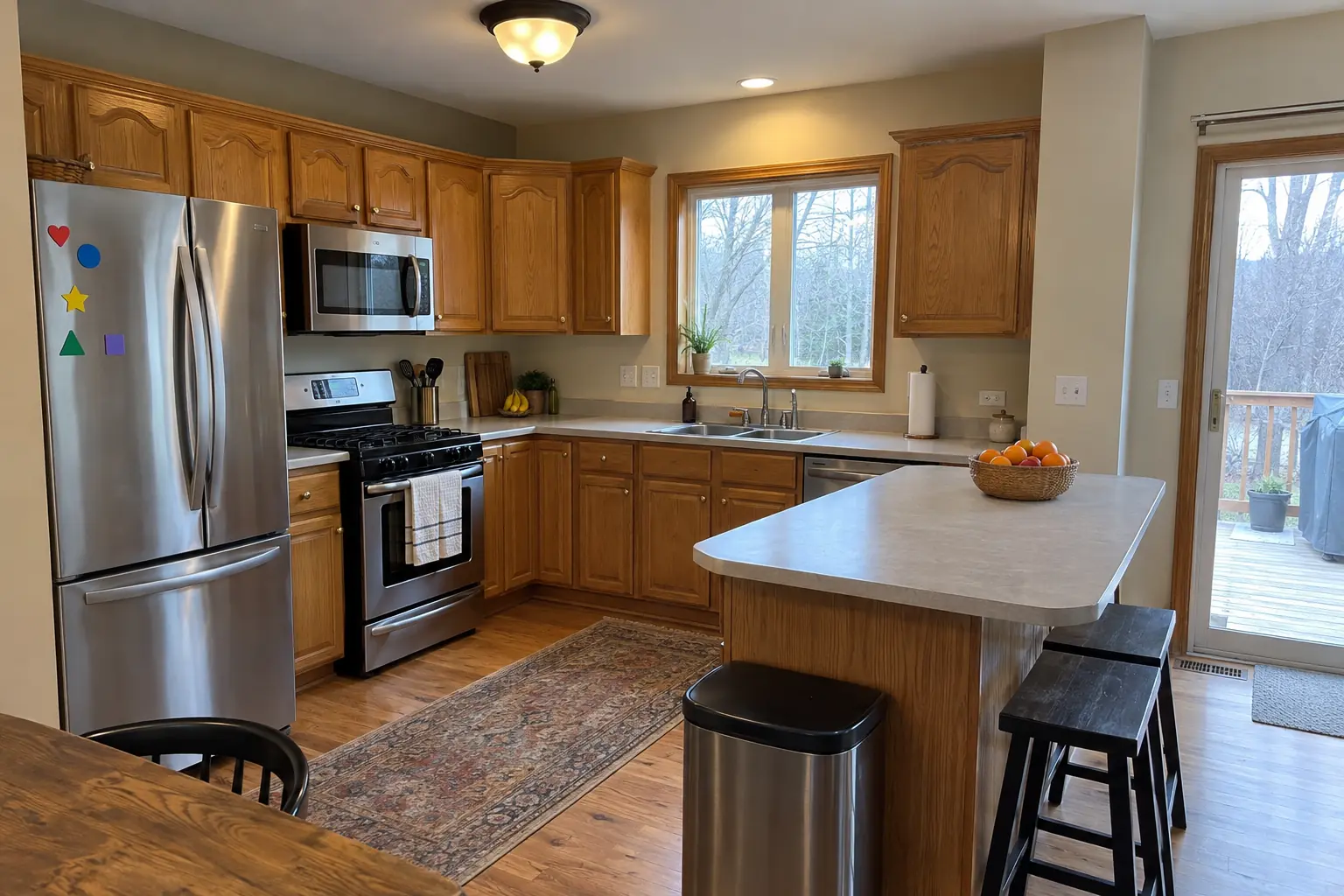
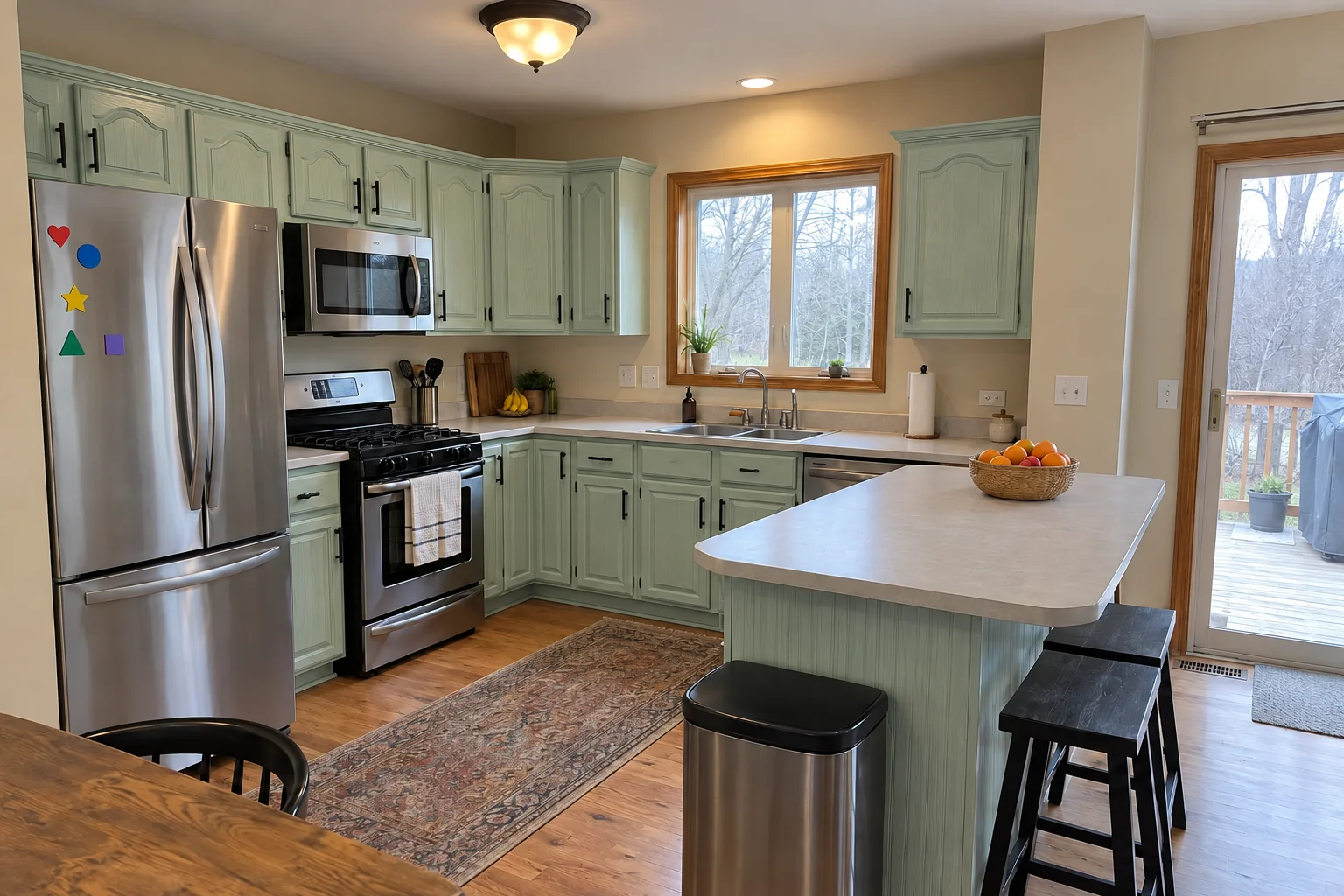
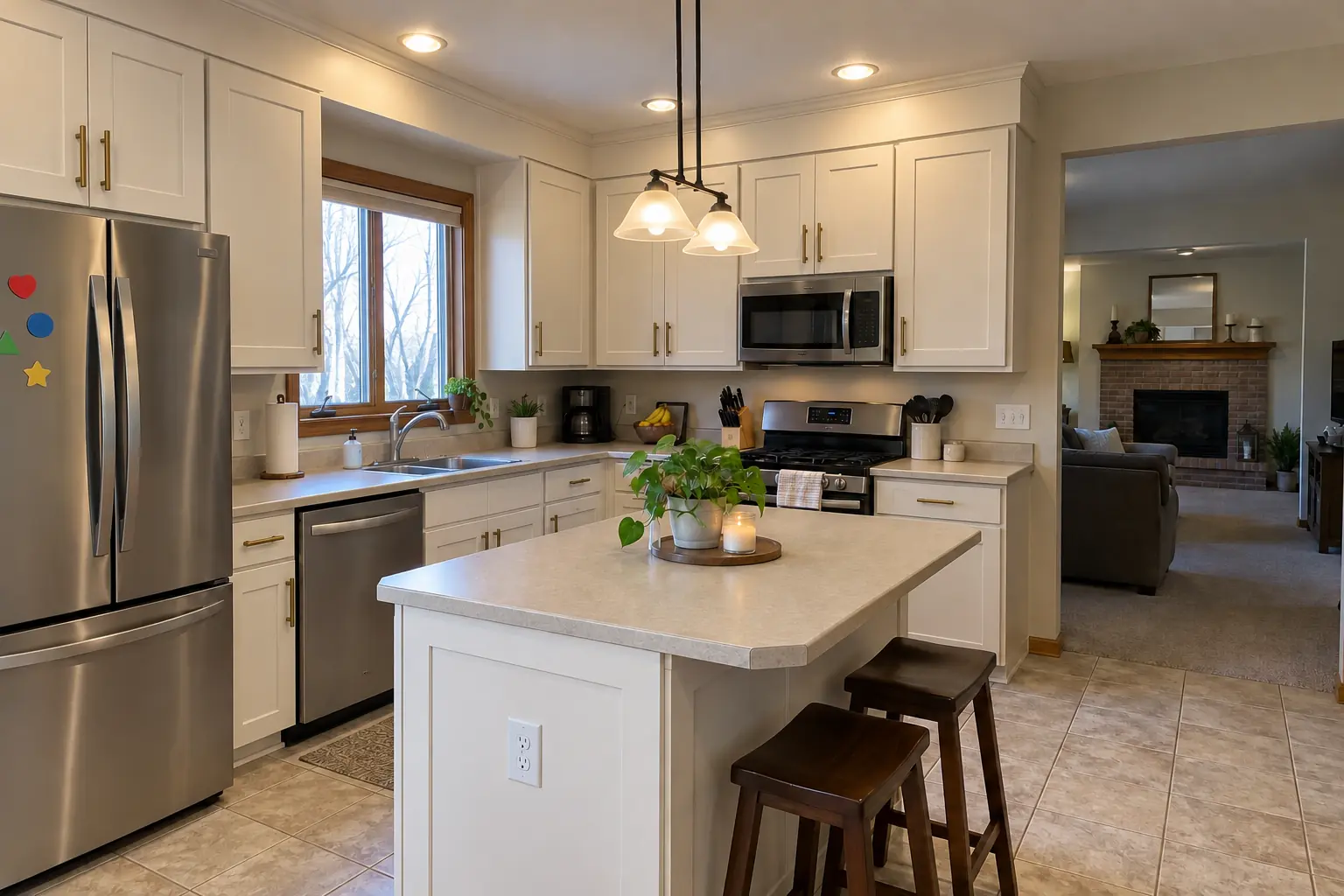
Kitchen Cabinet Painting project near Elgin, beforeBefore
Kitchen Cabinet Painting project near Elgin, afterAfter

An Elgin 1980s two-story: before and after

The same doors sprayed in pale mint green, new matte black pulls; counters and floor stayed as they were.

Kitchen Cabinet Painting in Elgin →

How the visit goes

  1. Tell us what you're seeingDescribe what you've seen, where and when, and send photos of droppings or insects if you can.
  2. Inspection and planWe inspect the kitchen, identify the pest and explain the plan and products.
  3. Treatment and sealingEntry points are sealed and baits or traps placed by IDPH-licensed technicians.
  4. Follow-upWe return to check monitors, adjust treatment and confirm progress.

Kitchen Pest Control questions from Elgin homeowners

How many visits will I need?
Usually an initial treatment plus follow-up visits to check monitors and adjust. Roaches often need more follow-up than mice or ants.
Do you use integrated pest management?
Yes. Inspection, sealing, sanitation, targeted baits or traps and monitoring, instead of routine spraying.
What can I put in my cabinets to keep bugs away?
Store food sealed, keep the cabinets clean and dry and close gaps where pipes enter.
Is your treatment safe around food, kids and pets?
We use baits, gels and traps placed in cracks, voids and enclosed stations, not sprayed on food areas. We explain what is used and where.
Are your technicians licensed?
Pest control applications are done by technicians licensed by the Illinois Department of Public Health.
Do I need a permit for kitchen pest control visit in Elgin?
It depends on the scope. Elgin's rule in short: No kitchen-specific rule; interior remodeling (including kitchens) uses the general Remodeling Permit Application. We handle the permit when one is needed with Community Development Department (Building permits), City of Elgin, 150 Dexter Court.
Do you work in my part of Elgin?
Yes. Our crews work across Elgin, including Gifford Park, West Side, Downtown — ZIP 60123, 60124, 60120, 60140 — and nearby St. Charles, Bartlett, Hoffman Estates.

Working in Elgin

  • A lot of Elgin kitchens date from the pre-1940. We know these layouts well and what is worth keeping.
  • Most Elgin homes are single-family. We protect floors and driveways and leave the site clean every day.
  • Live in the Spring-Douglas Historic District? Interior kitchen work is usually not reviewed. We check before anything touches the exterior.

Gifford ParkWest SideDowntown

ZIP 60123ZIP 60124ZIP 60120ZIP 60140

Kitchen Pest Control nearby

Planning a kitchen project in Elgin?

Call us — we'll check your ZIP, answer your questions and book an in-home estimate.

Call now (708) 400-7049
Call (708) 400-7049Callback