Serving Geneva & nearby Batavia, St. Charles

Kitchen Pest Control in Geneva, IL

Cockroaches, mice and ants handled at the source in Geneva kitchens, with entry points sealed and food areas kept safe.

  • Serving Geneva ZIP 60134, 60510
  • A clear checklist of what gets cleaned
  • Scheduled around your day

Prefer a callback?

Leave your number and a Geneva pest control technician will call you.

Kitchen pest problems we deal with in Geneva

Whether it is cockroaches at night, droppings in a drawer or a line of ants along the counter, we work out the species and the source first. In Geneva homes we seal entry points, place gel baits or traps away from food prep, and come back to monitor. We explain what is used and where.

Gaps around pipes and gas lines

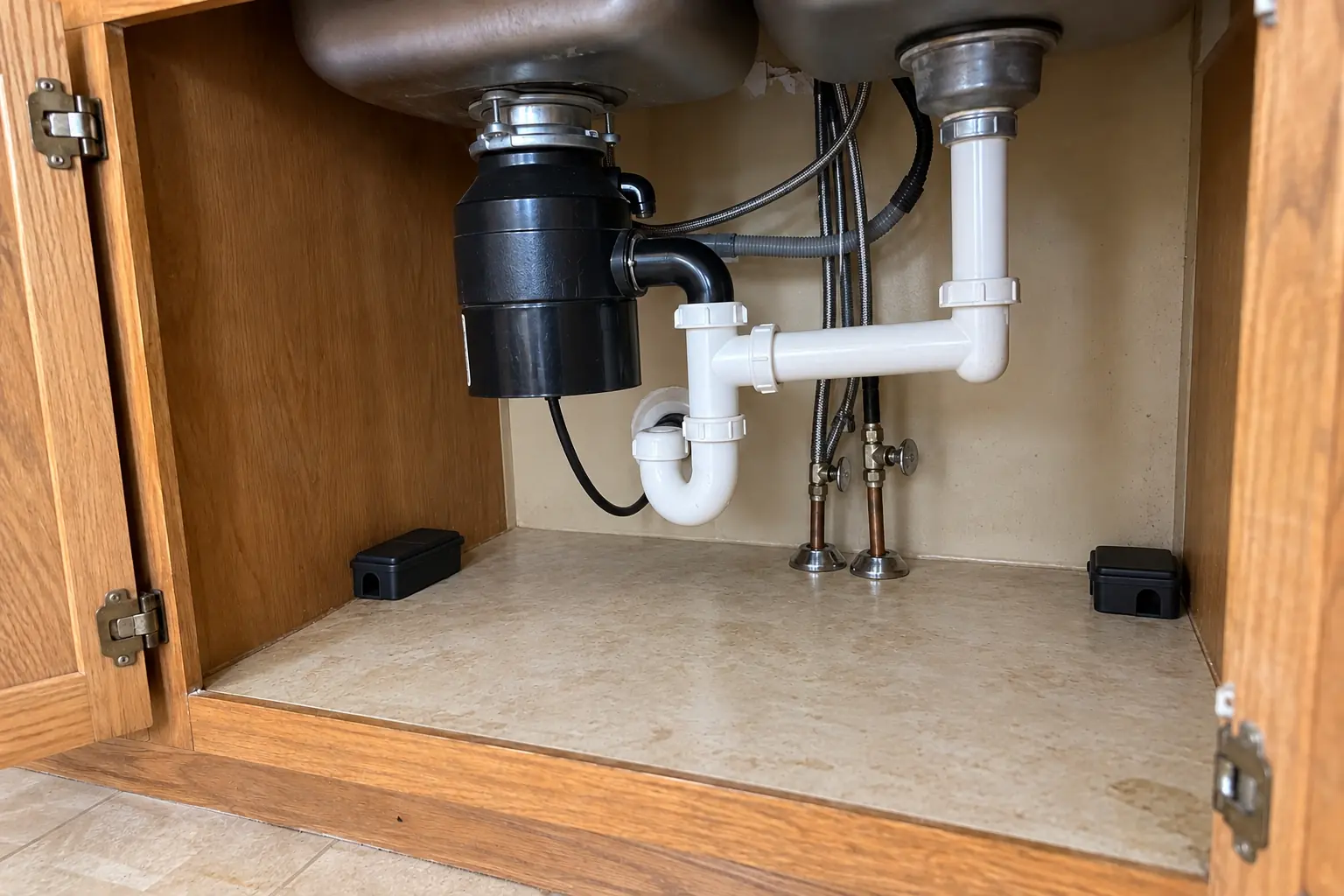
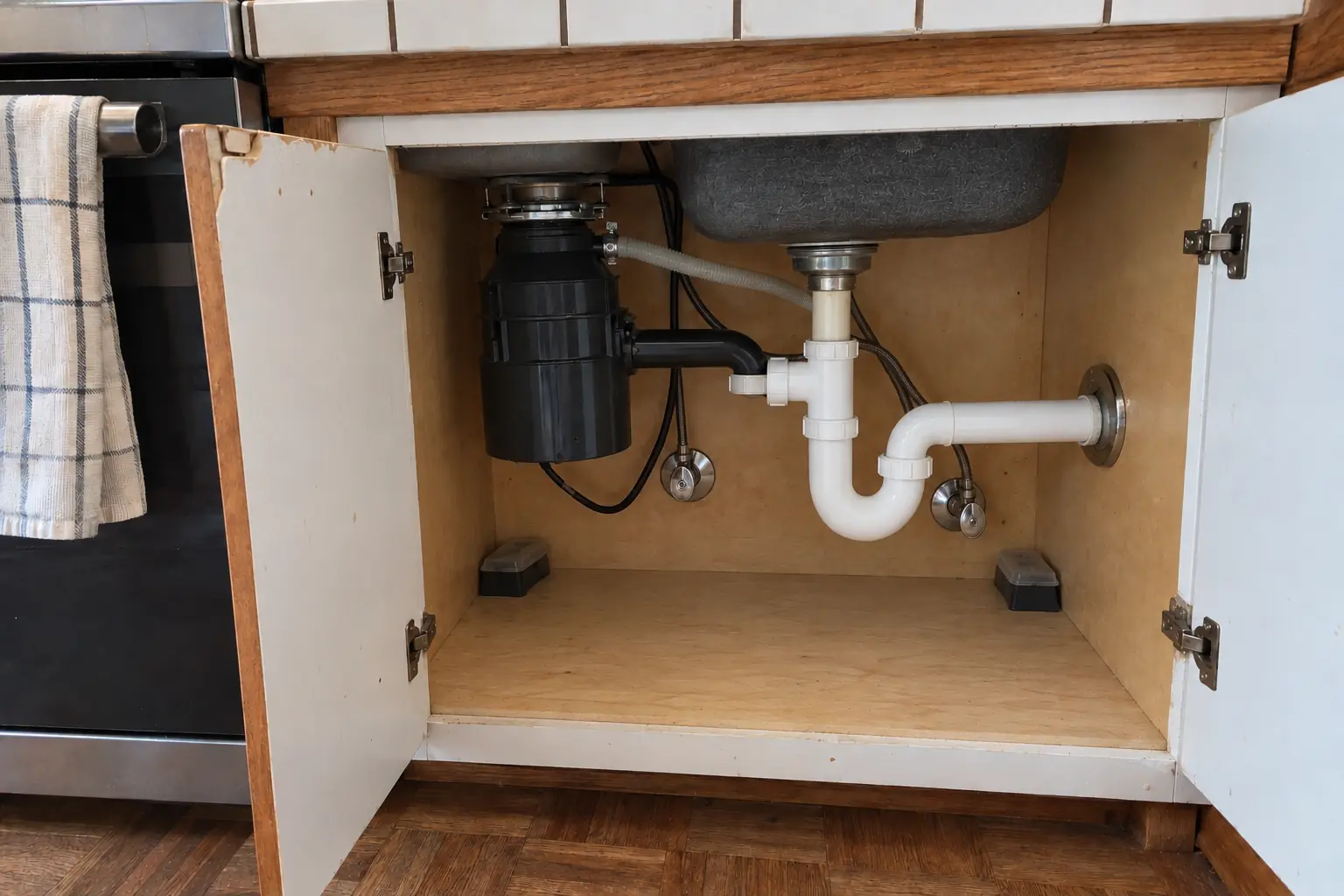
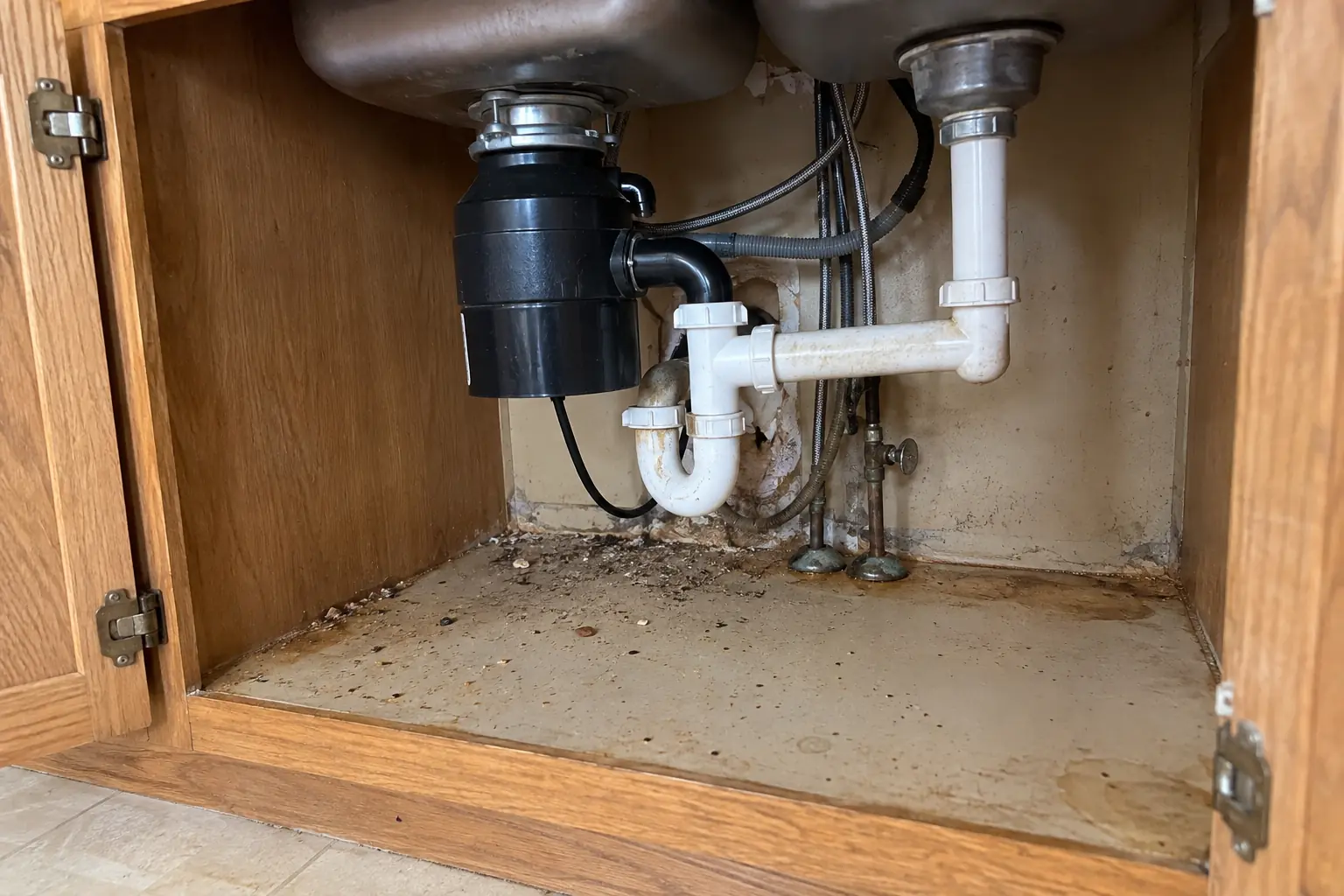
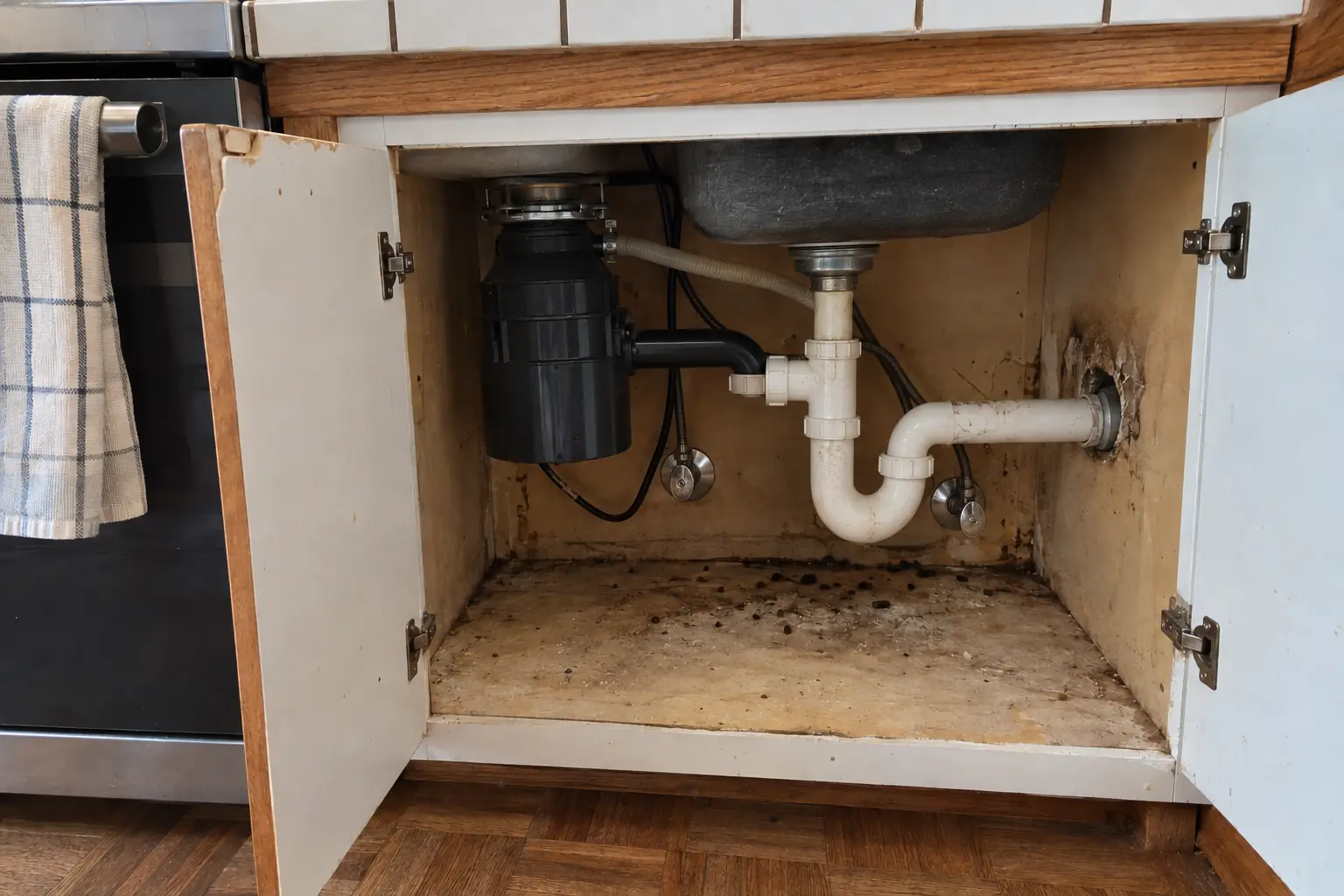
The hole cut for the sink drain is often much larger than the pipe. Sealing it, plus escutcheon plates, closes a common entry.

Worried about chemicals near food

We use baits, gels and traps placed in cracks and voids, away from counters and food prep. We explain what is used and where.

Pantry moths and beetles in food

Small moths or beetles in flour and cereal come from infested dry goods. Cleaning out the pantry and storing food in sealed containers is the main fix, and we help find the source.

Pests behind the refrigerator and stove

The motor area of a fridge is a common roach harborage. We inspect it and place bait in cracks nearby.

Ants trailing to the counter

Wiping up a trail only removes the scouts. Baits that reach the colony and sealing the entry work better.

Roaches in cabinets and around the sink

The sink base and the cabinets next to the dishwasher have water and warmth. We seal pipe gaps, treat cracks with bait and advise on fixing any leaks.

Scratching in the walls or ceiling

Noise at night in the kitchen ceiling or walls often comes from mice moving between floors. We check the gaps around pipes, vents and the gas line.

Kids and pets in the home

Let us know about kids and pets before the visit so we plan placements and tell you what to keep away from.
What we clean

  • Identifying the pestWe confirm what you have before choosing baits, traps or other methods.
  • Explaining the planWe tell you what will be used, where it goes and what you need to do.
  • Sealing entry pointsGaps around pipes, gas lines and cabinet backs are sealed to cut off access.
  • Sanitation adviceWe point out food sources, clutter and moisture that keep pests around.
  • Targeted treatmentTreatment is applied by IDPH-licensed technicians in cracks, voids and stations, not on open surfaces.
  • MonitoringSticky monitors show whether activity is dropping and where to focus.
  • Follow-up visitWe return to check monitors and traps, add bait if needed and confirm entry points stay sealed.

Products and methods

Exclusion materialsCopper or steel mesh, sealants and escutcheon plates close gaps around pipes.
Ant baitsSlow-acting baits the workers carry back to the colony.
Gel baits for cockroachesPlaced in small dots in cracks and hinges where roaches hide, away from food surfaces.
Sealed food storageAirtight containers for flour, cereal and pet food take away an easy food source.
Snap traps and enclosed stations for miceTraps placed on mouse routes, checked and removed at follow-up.

Before and after: kitchens near Geneva

Kitchen Pest Control in a 1980s-1990s two-story colonial / tract house — beforeBefore
Kitchen Pest Control in a 1980s-1990s two-story colonial / tract house — afterAfter

Geneva kitchen, 1990s two-story colonial: kitchen pest control

The site: a 1990s two-story colonial near Mill Creek. The main complaint was mouse droppings in the cabinets. Finished kitchen: the same cabinet cleaned, pipe gaps sealed with escutcheon plates and discreet bait stations in place. On site this meant sealing entry points, sanitation advice, plus targeted treatment.
Kitchen Pest Control project in Batavia, beforeBefore
Kitchen Pest Control project in Batavia, afterAfter

Batavia kitchen, 1980s two-story: kitchen pest control

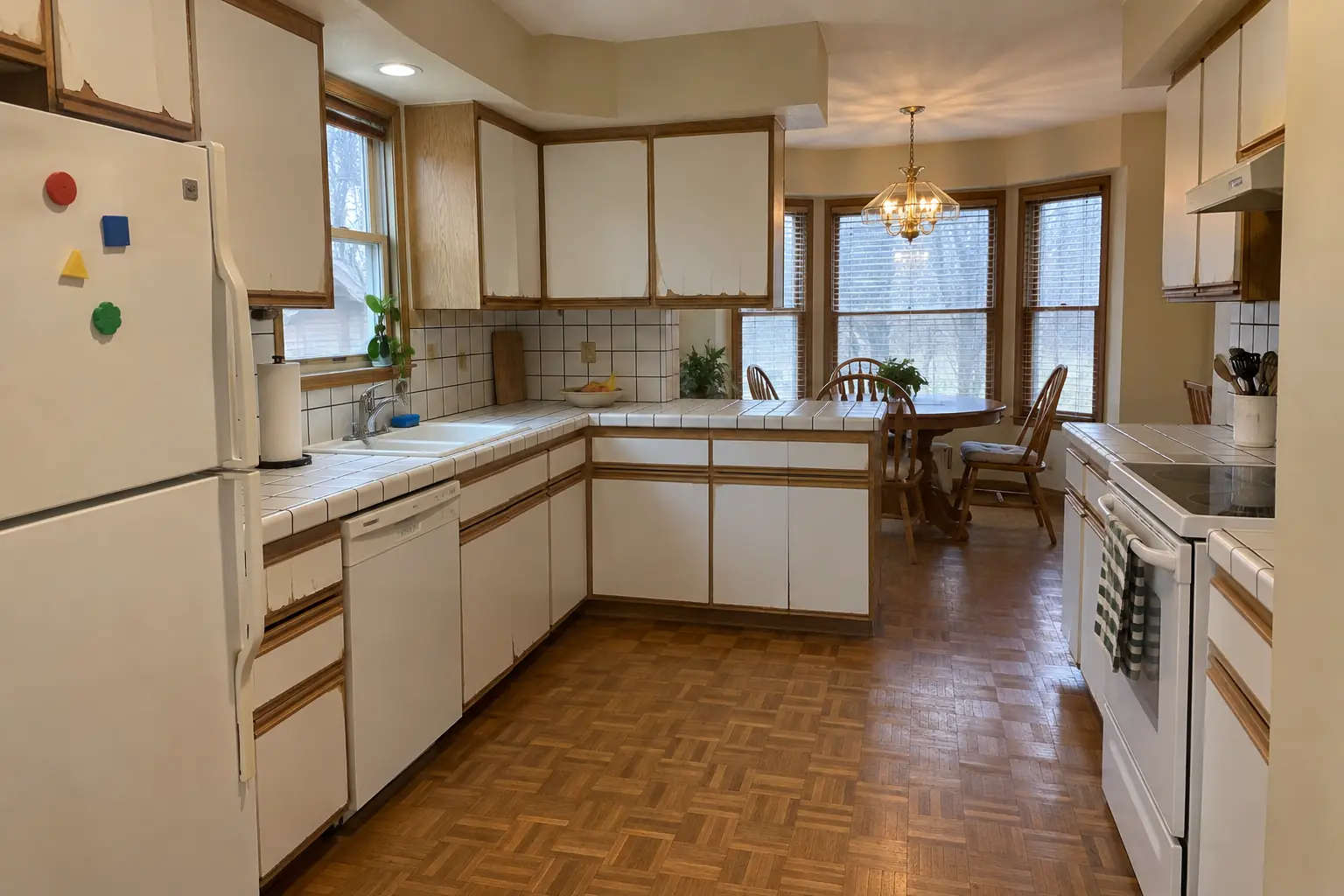
The site: a 1980s two-story in Batavia. The main complaint was roaches coming out at night. After: the same cabinet cleaned, pipe gaps sealed with escutcheon plates and discreet bait stations in place. Work included identifying the pest, explaining the plan, plus monitoring.

Kitchen Pest Control in Batavia →
Kitchen Remodeling project near Geneva, beforeBefore
Kitchen Remodeling project near Geneva, afterAfter

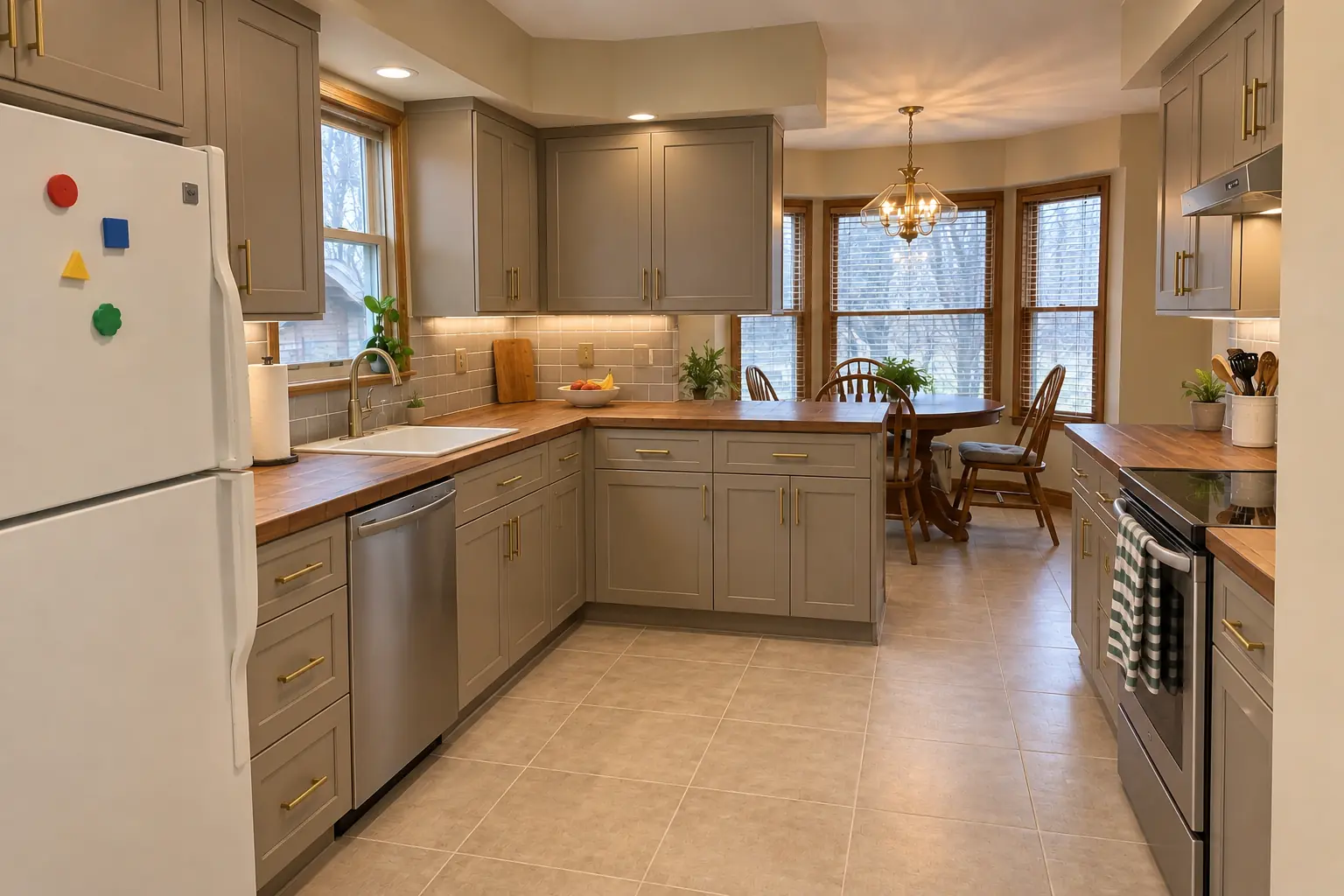
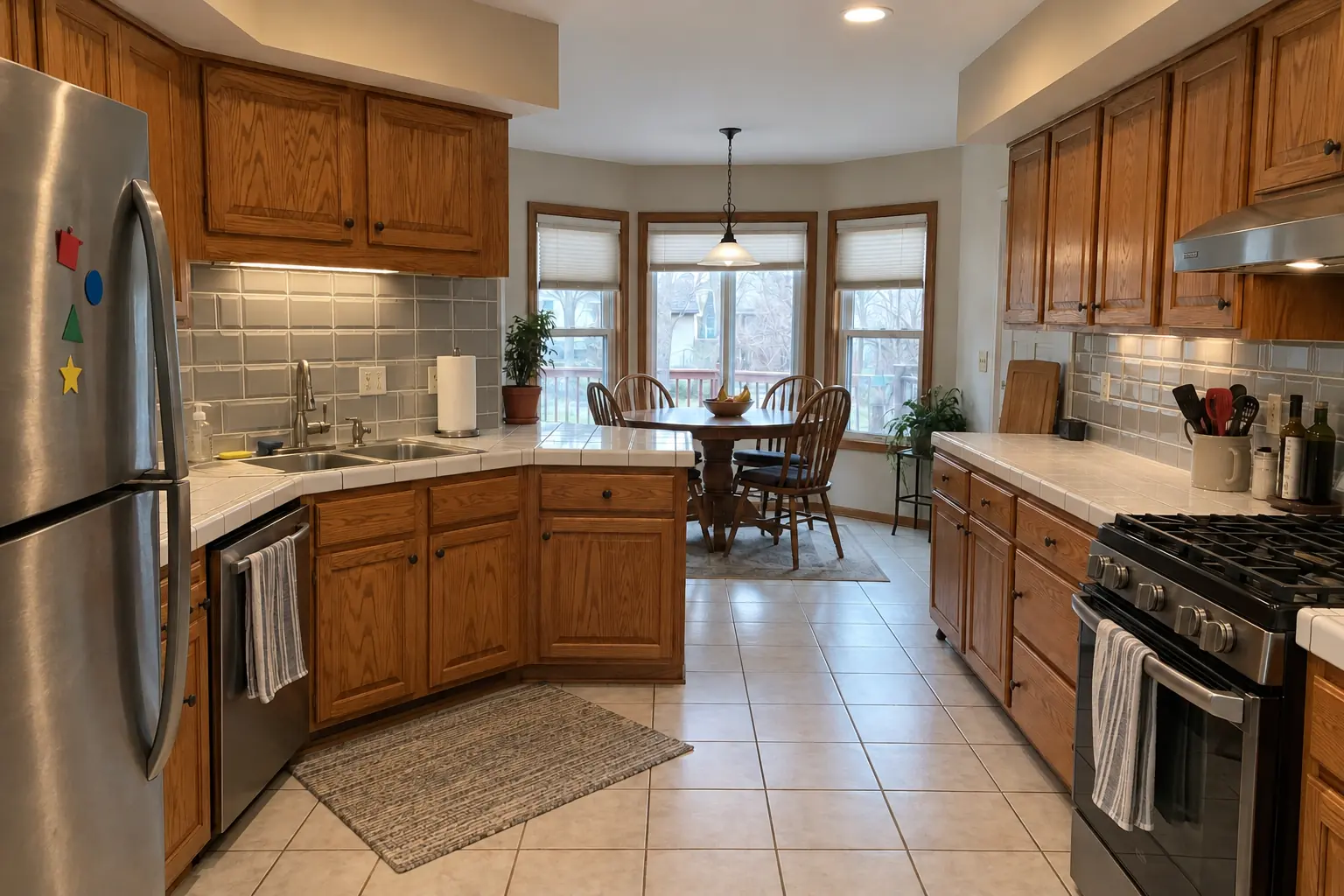
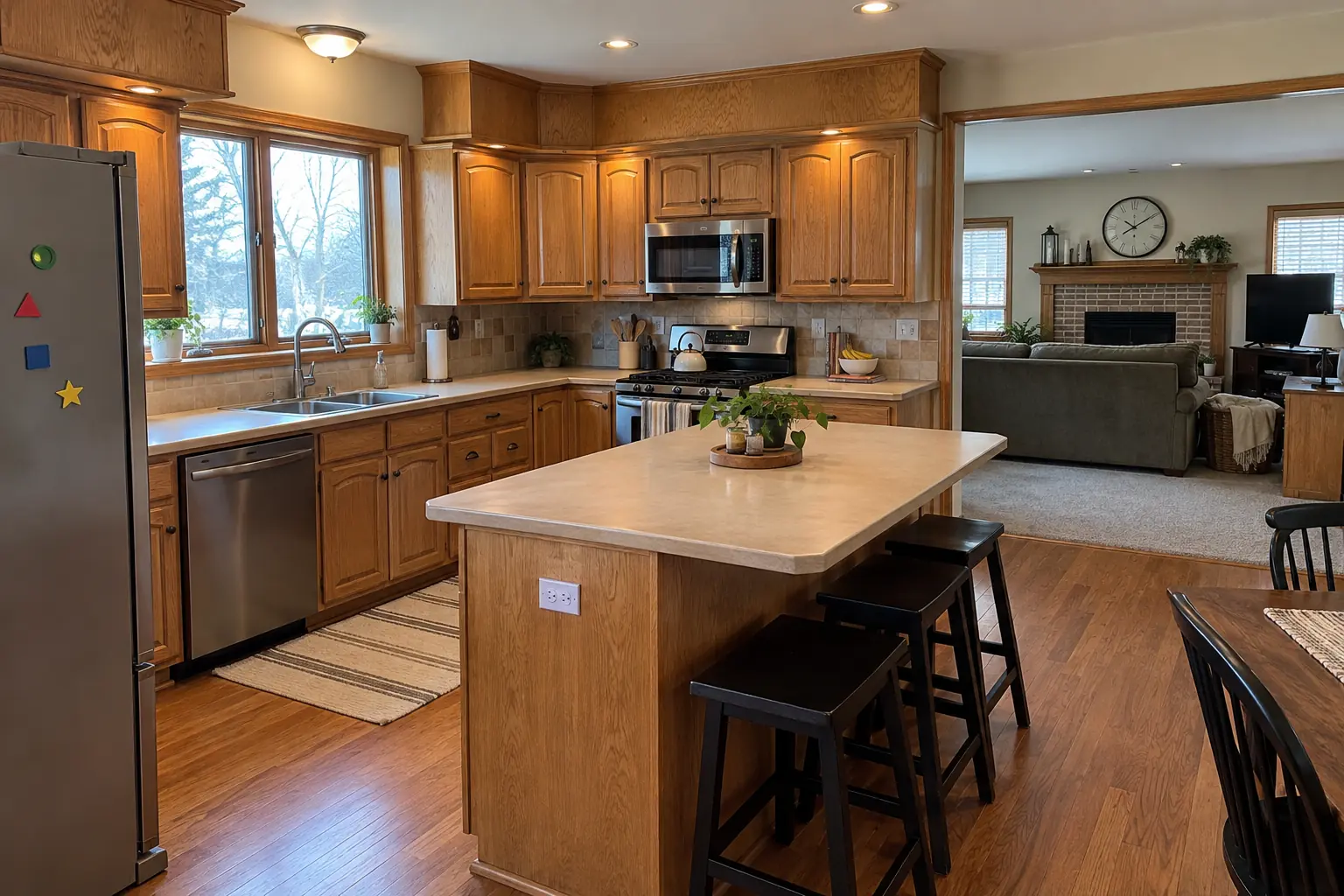
Geneva kitchen, 1990s two-story colonial: kitchen remodeling

What changed: cabinets in warm taupe with satin brass pulls, warm walnut butcher block counters, a gray beveled subway tile backsplash, light beige 18x18 porcelain tile flooring and recessed lights and under-cabinet LED strips.

Kitchen Remodeling in Geneva →
Kitchen Cabinet Painting project near Geneva, beforeBefore
Kitchen Cabinet Painting project near Geneva, afterAfter

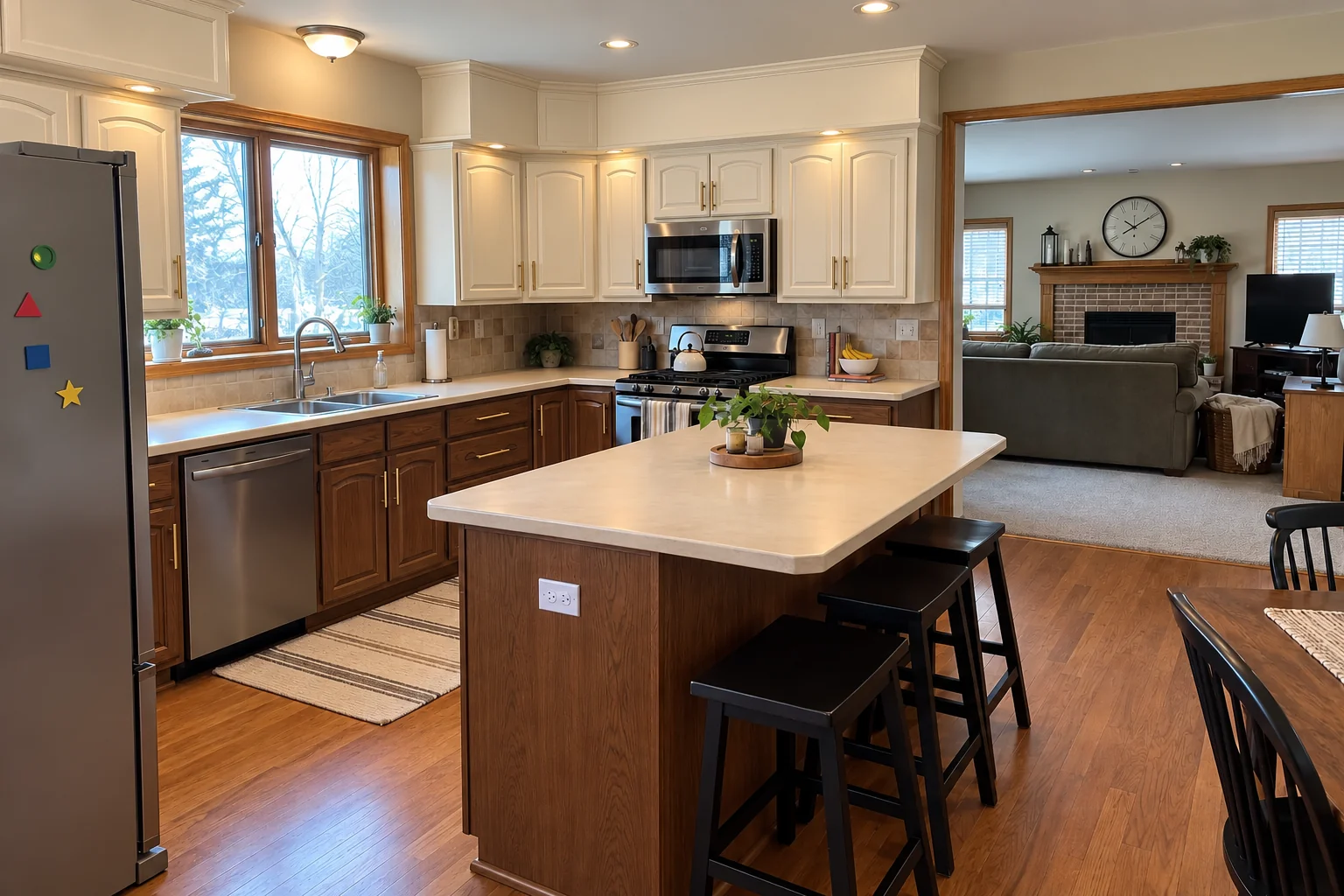
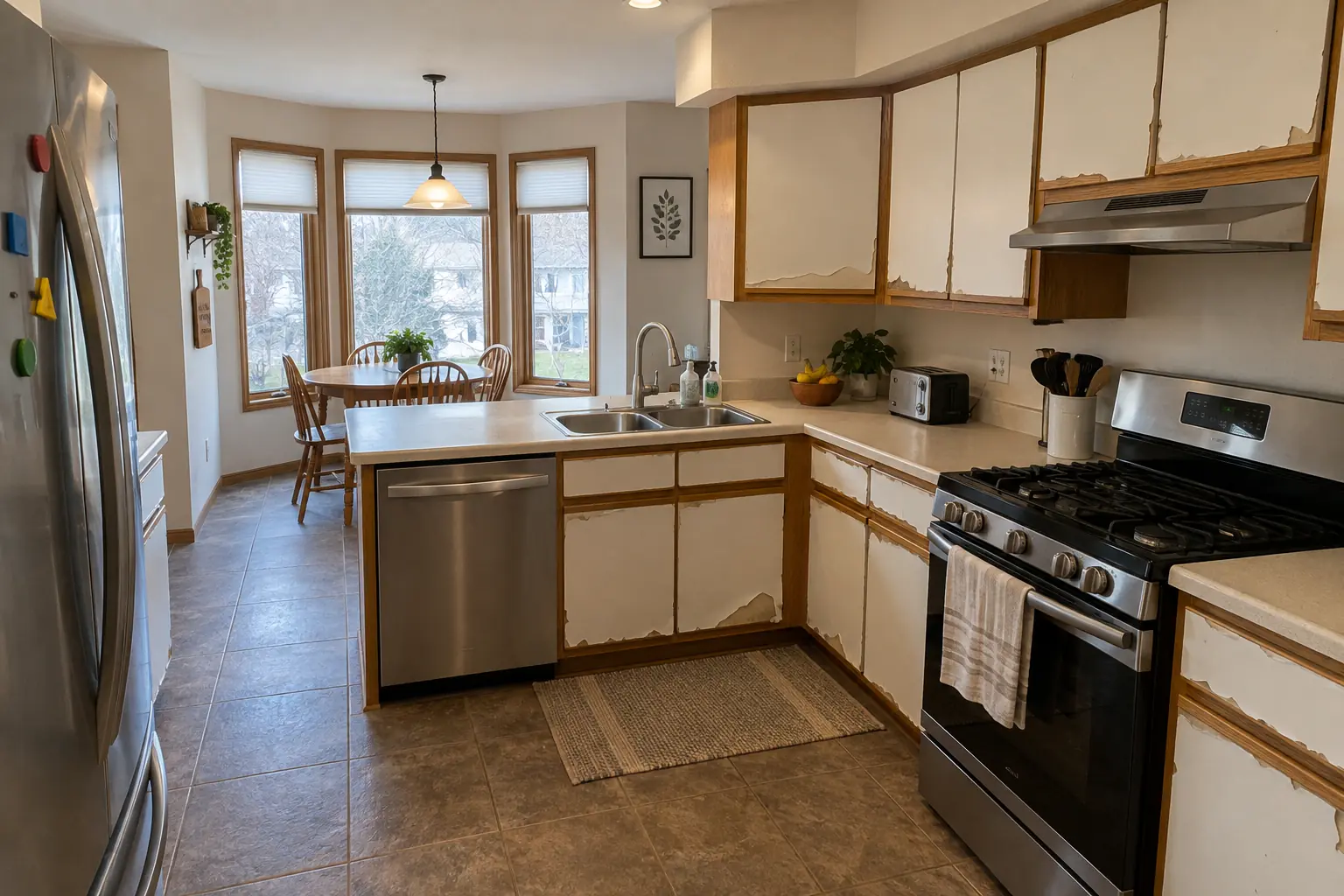
A Geneva two-story colonial from the 1990s: before and after

Finished: the same doors sprayed in cream uppers and walnut-stained lowers, new satin brass pulls; counters and floor stayed as they were.

Kitchen Cabinet Painting in Geneva →
Cabinet Refacing project near Geneva, beforeBefore
Cabinet Refacing project near Geneva, afterAfter

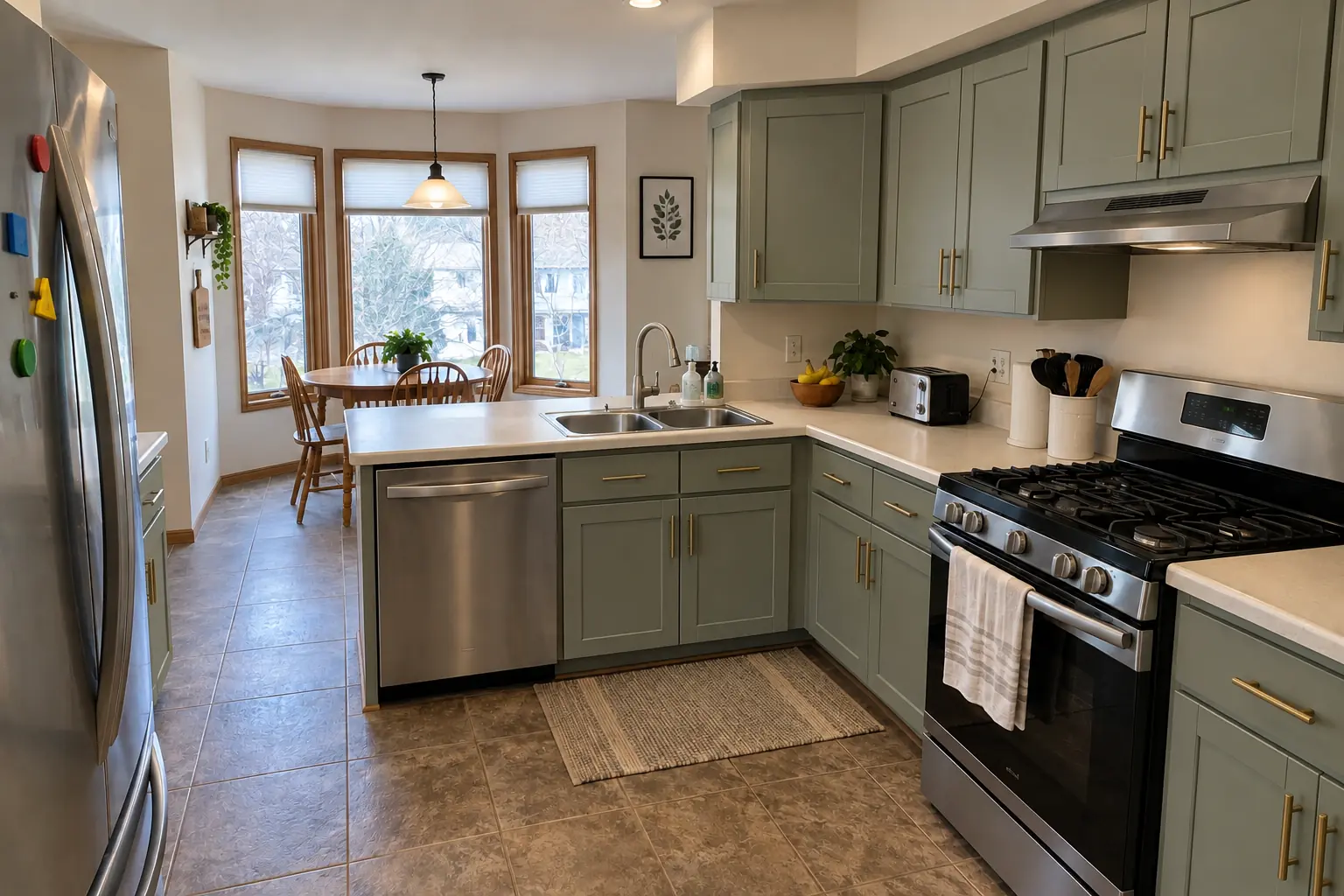
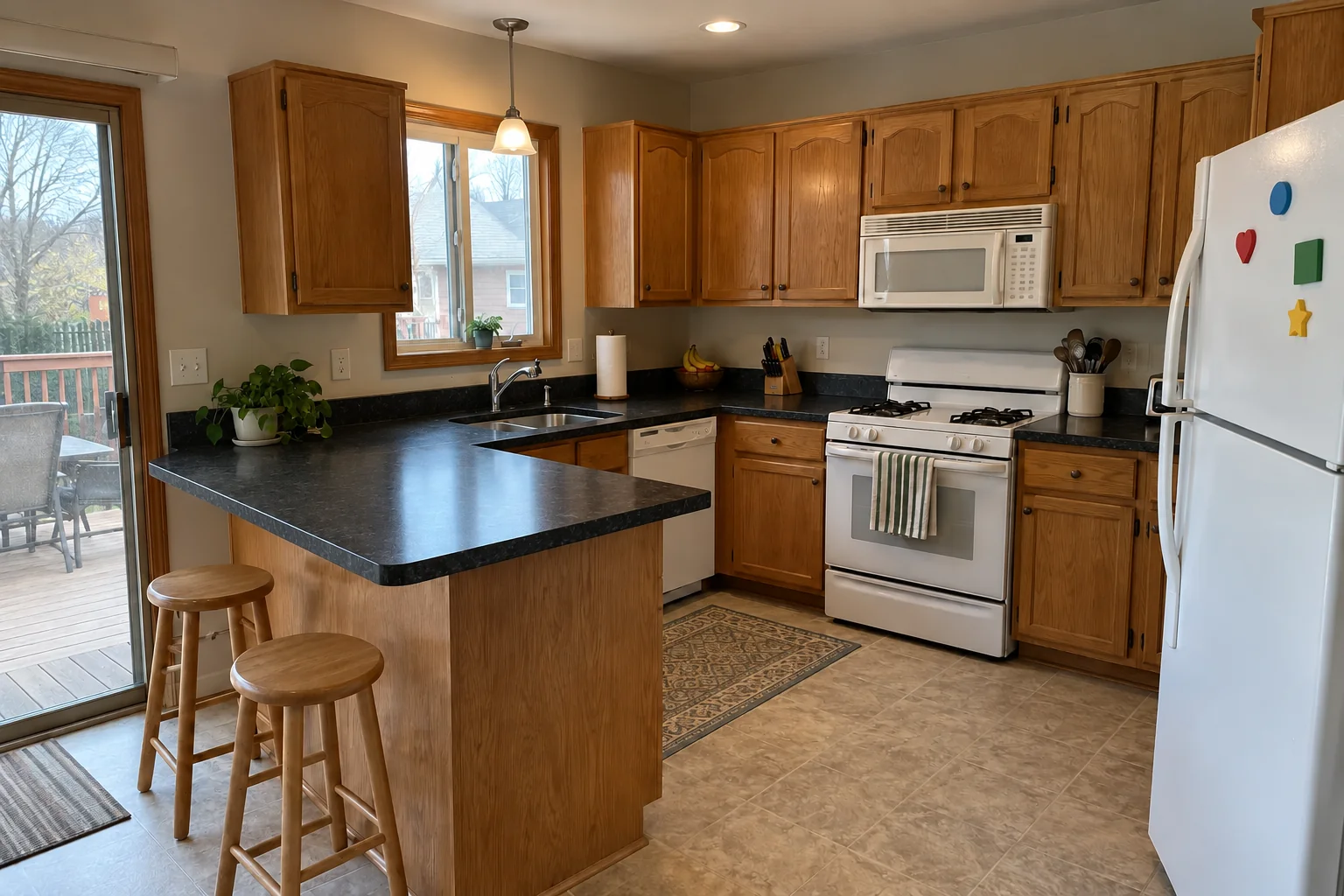
Before and after: a 1980s two-story in Geneva

What changed: new five-piece shaker doors in sage green on the existing boxes, matching face-frame veneer and satin brass pulls.

Cabinet Refacing in Geneva →

From walk-through to done

  1. Tell us what you're seeingDescribe what you've seen, where and when, and send photos of droppings or insects if you can.
  2. Inspection and planWe inspect the kitchen, identify the pest and explain the plan and products.
  3. Treatment and sealingWe seal gaps and apply targeted treatment away from food areas.
  4. Follow-upWe return to check monitors, adjust treatment and confirm progress.

Kitchen Pest Control questions from Geneva homeowners

How many visits will I need?
Usually an initial treatment plus follow-up visits to check monitors and adjust. Roaches often need more follow-up than mice or ants.
Why do roaches spread in multi-unit buildings?
In buildings with many units, pests move between kitchens. We seal your side and recommend talking to management.
Are your technicians licensed?
Treatment is applied by IDPH-licensed technicians, as Illinois requires for structural pest control.
How do I get rid of mice in kitchen cabinets?
We inspect for droppings and openings, seal gaps and set traps in the cabinet voids.
Why do I have cockroaches in my kitchen?
Even clean kitchens get roaches. Water, warmth and hiding spots matter as much as crumbs.
Do I need a permit for kitchen pest control visit in Geneva?
It depends on the scope. Geneva's rule in short: A building permit is required before any construction or alteration; separate Kitchen Remodel permit form exists. We handle the permit when one is needed with Building & Zoning Division (Building Division), 109 James St..
Do you work in my part of Geneva?
Yes. Our crews work across Geneva, including Mill Creek — ZIP 60134, 60510 — and nearby Batavia, St. Charles, West Chicago.

Working in Geneva

  • A lot of Geneva kitchens date from the 1990s. We know these layouts well and what is worth keeping.
  • Most Geneva homes are single-family. We protect floors and driveways and leave the site clean every day.
  • Live in the Geneva Historic District and designated Historic Landmarks? Interior kitchen work is usually not reviewed. We check before anything touches the exterior.

Mill Creek

ZIP 60134ZIP 60510

Kitchen Pest Control nearby

Planning a kitchen project in Geneva?

Call us — we'll check your ZIP, answer your questions and book an in-home estimate.

Call now (708) 400-7049
Call (708) 400-7049Callback