Serving Park Ridge & nearby Des Plaines, Glenview

Kitchen Pest Control in Park Ridge, IL

Cockroaches, mice and ants handled at the source in Park Ridge kitchens, with entry points sealed and food areas kept safe.

  • Crews working in Park Ridge ZIP 60068
  • Products that are safe for your finishes
  • Appliances, hood and the hard-to-reach places included

Prefer a callback?

Leave your number and a Park Ridge pest control technician will call you.

Kitchen pest problems we deal with in Park Ridge

Spraying the baseboards rarely solves a kitchen pest problem. Our Park Ridge visits start with an inspection of cabinets, the sink base and the spaces behind the fridge and range, then combine exclusion, sanitation advice and baits or traps placed where the pests travel.

Roaches in cabinets and around the sink

The sink base and the cabinets next to the dishwasher have water and warmth. We seal pipe gaps, treat cracks with bait and advise on fixing any leaks.

Gaps around pipes and gas lines

Openings where pipes and the gas line enter cabinets are pest highways. We seal them with materials that pests can't chew through easily.

Mouse droppings in drawers

Mice use the space under the base cabinets as a highway. We look for droppings and rub marks, seal entry points and place traps along their routes.

Worried about chemicals near food

Integrated pest management relies on sealing, sanitation and targeted placement rather than broad spraying in the kitchen.

Cockroaches at night

Roaches hide by day in warm, tight spaces like hinges, the motor area of the fridge and gaps behind the backsplash. Gel baits placed in those harborages work far better than spraying open surfaces.

Scratching in the walls or ceiling

Noise at night in the kitchen ceiling or walls often comes from mice moving between floors. We check the gaps around pipes, vents and the gas line.

Ants trailing to the counter

In spring, ants often come in along windows, door frames and counters. We identify the type and treat accordingly.

Kids and pets in the home

With children and pets, placement matters most. Baits go into cracks and enclosed stations, not on open floors.
What we clean

  • InspectionA flashlight inspection of the kitchen shows where pests hide, feed and enter.
  • Identifying the pestWe confirm what you have before choosing baits, traps or other methods.
  • Sealing entry pointsWe close the openings pests use, starting with plumbing penetrations.
  • Sanitation adviceYou get specific steps for storage and cleanup to support the treatment.
  • Targeted treatmentTreatment is applied by IDPH-licensed technicians in cracks, voids and stations, not on open surfaces.
  • MonitoringSticky monitors show whether activity is dropping and where to focus.
  • Follow-up visitA follow-up confirms progress and adjusts the plan.

Methods we use

Sticky monitorsShow which areas have activity and confirm when it stops.
Snap traps and enclosed stations for miceTraps placed on mouse routes, checked and removed at follow-up.
Gel baits for cockroachesRoaches eat the bait and carry it back to their hiding spots.
Exclusion materialsCopper or steel mesh, sealants and escutcheon plates close gaps around pipes.
Sealed food storageAirtight containers for flour, cereal and pet food take away an easy food source.

Before and after: kitchens near Park Ridge

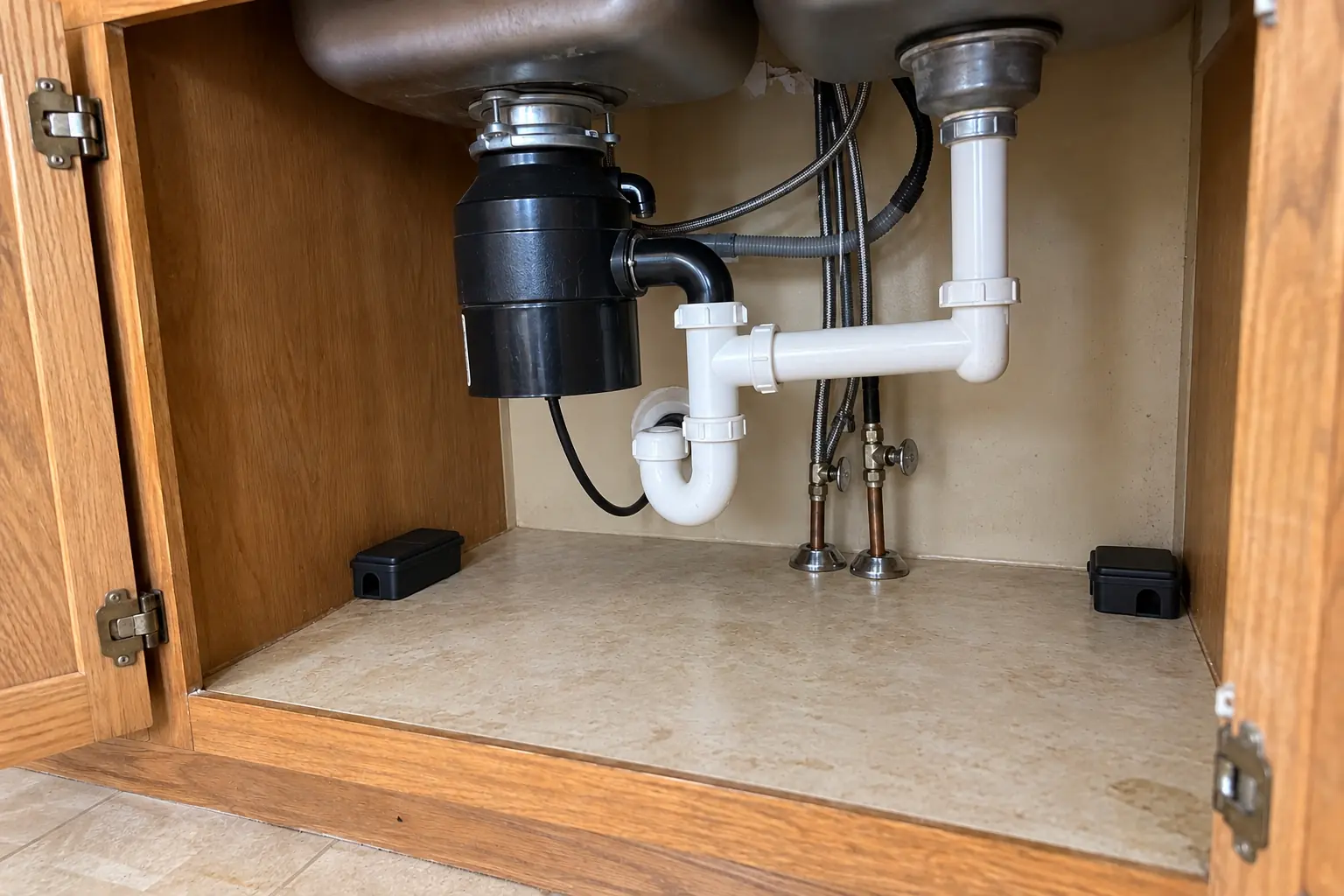
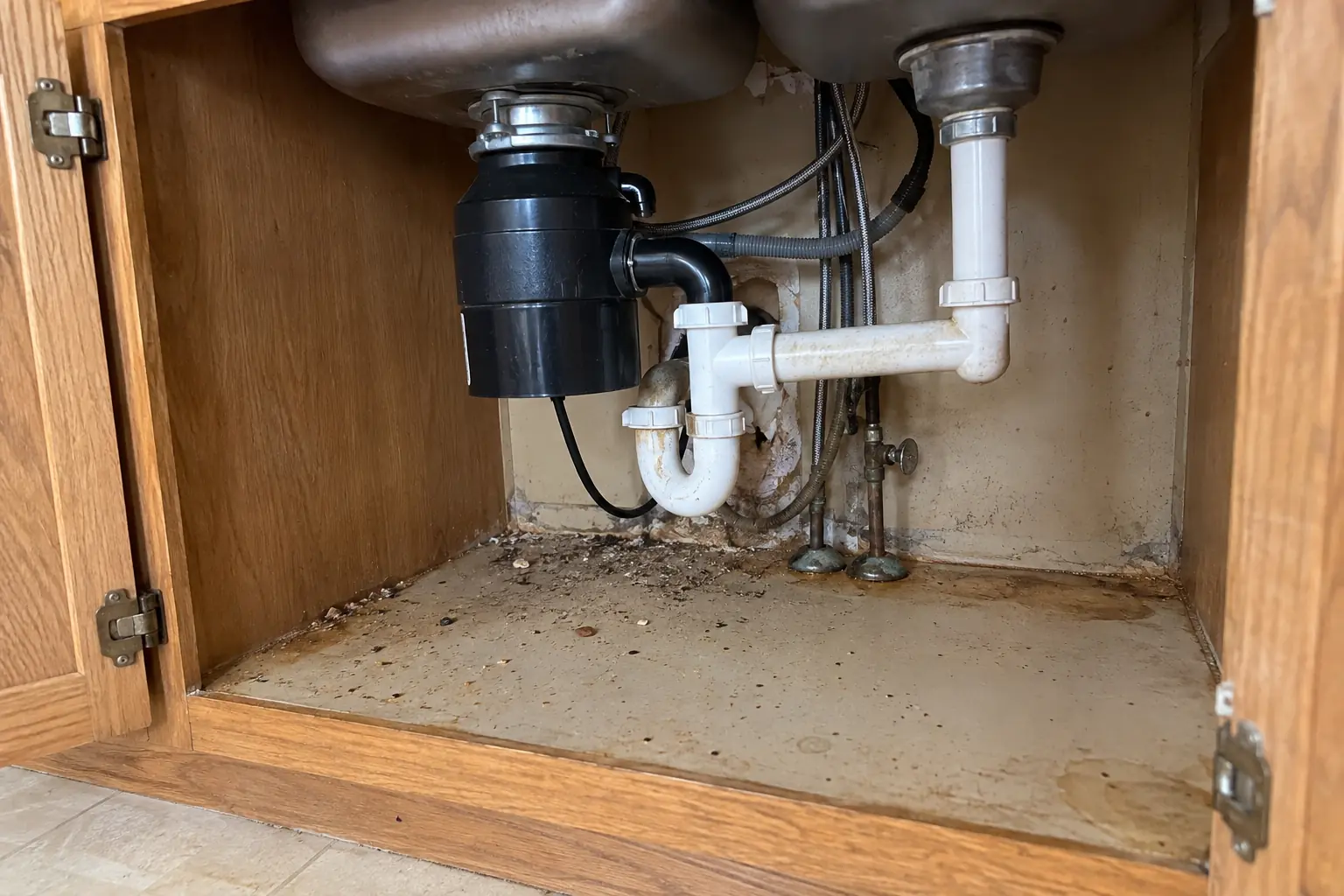
Kitchen Pest Control in a 1980s-1990s two-story colonial / tract house — beforeBefore
Kitchen Pest Control in a 1980s-1990s two-story colonial / tract house — afterAfter

Kitchen Pest Control in a two-story colonial from the 1990s, Park Ridge

A two-story colonial from the 1990s in Park Ridge, a typical kitchen for Park Ridge. The reason for the call: roaches coming out at night. After: the same cabinet cleaned, pipe gaps sealed with escutcheon plates and discreet bait stations in place. The job covered sealing entry points, sanitation advice, plus monitoring.
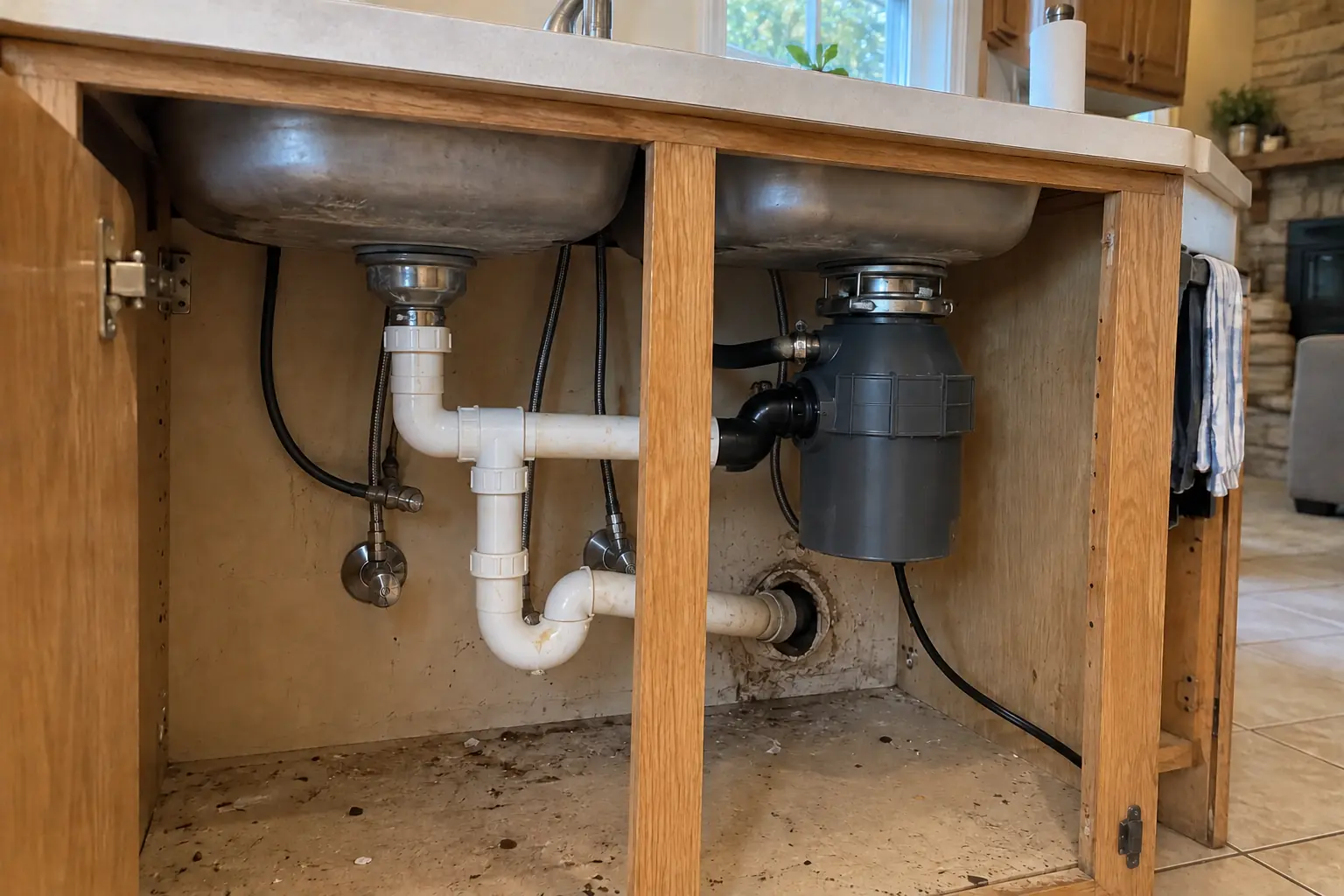
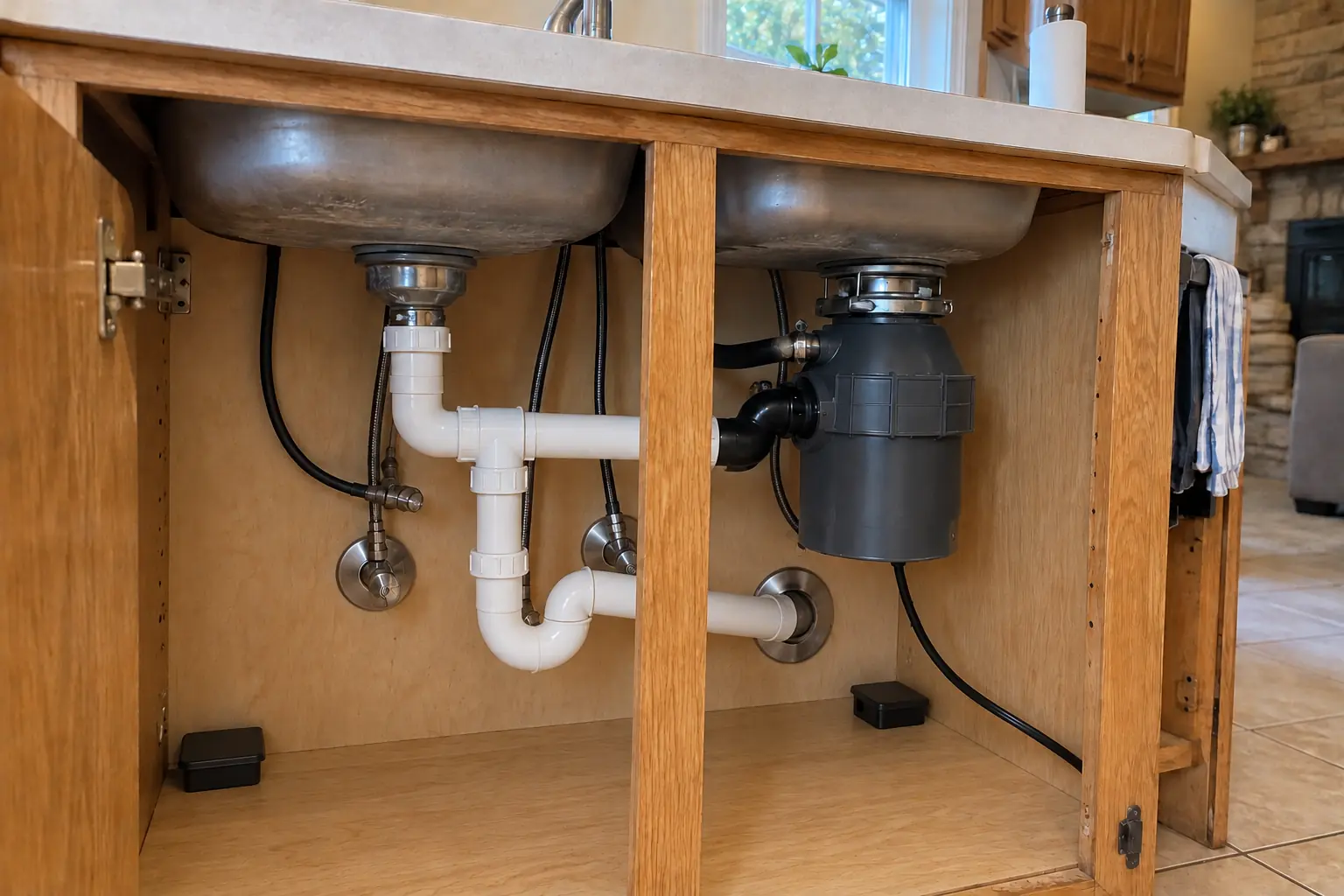
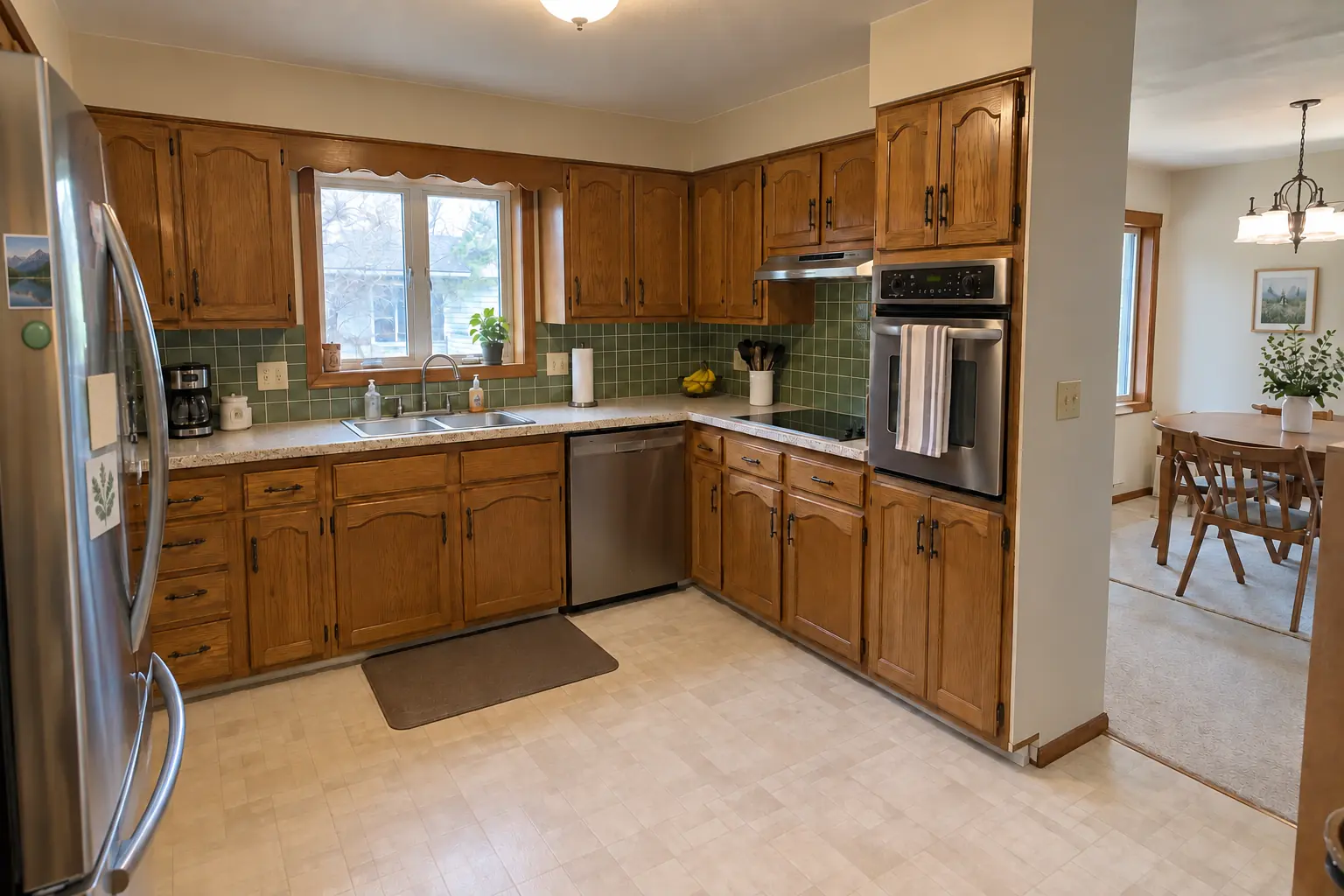
Kitchen Pest Control project in Des Plaines, beforeBefore
Kitchen Pest Control project in Des Plaines, afterAfter

Des Plaines kitchen, 1980s two-story: kitchen pest control

A 1980s two-story in Des Plaines, a typical kitchen for Des Plaines. The reason for the call: pests under the sink that kept coming back. After: the same cabinet cleaned, pipe gaps sealed with escutcheon plates and discreet bait stations in place. The job covered targeted treatment, monitoring, plus follow-up visit.

Kitchen Pest Control in Des Plaines →
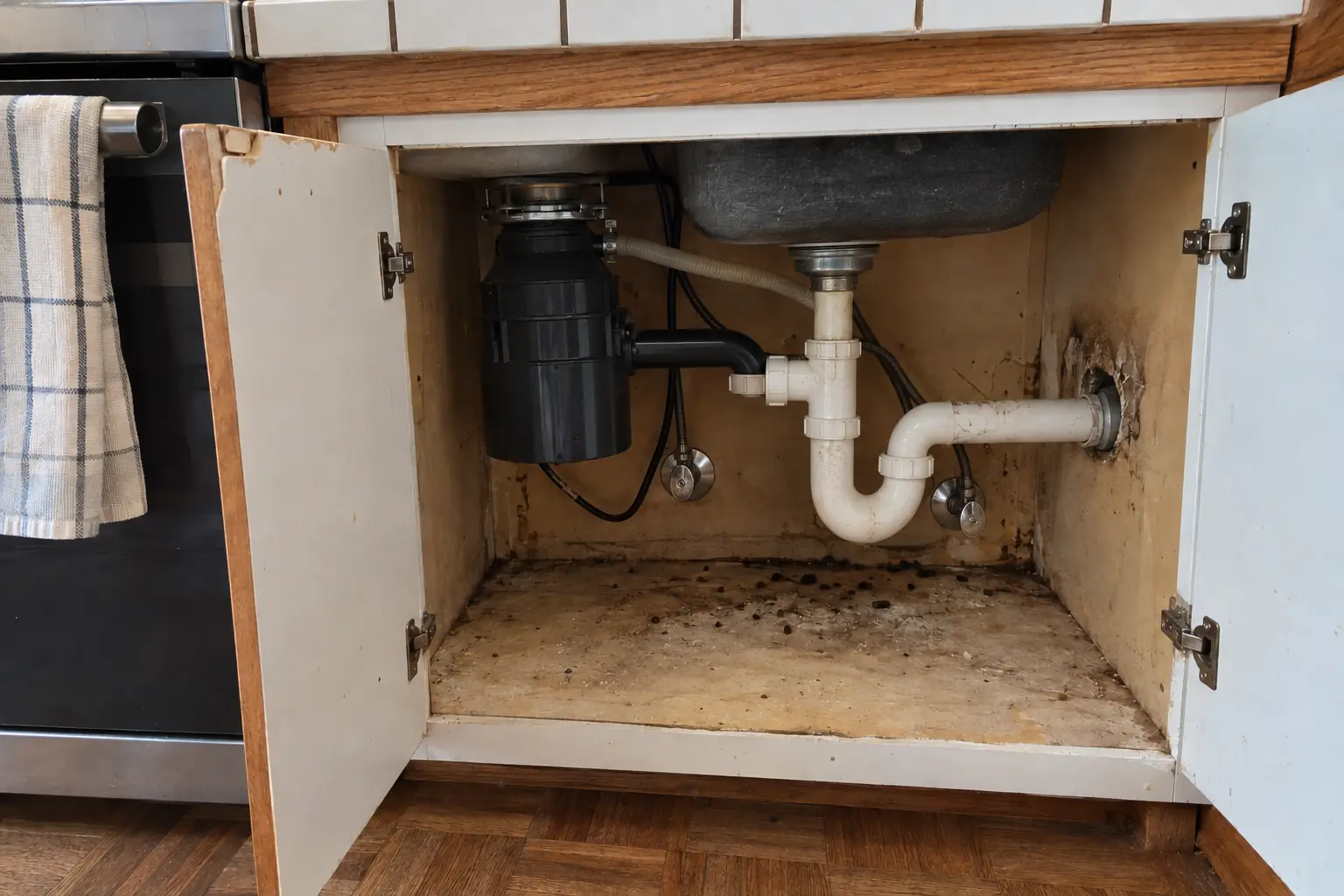
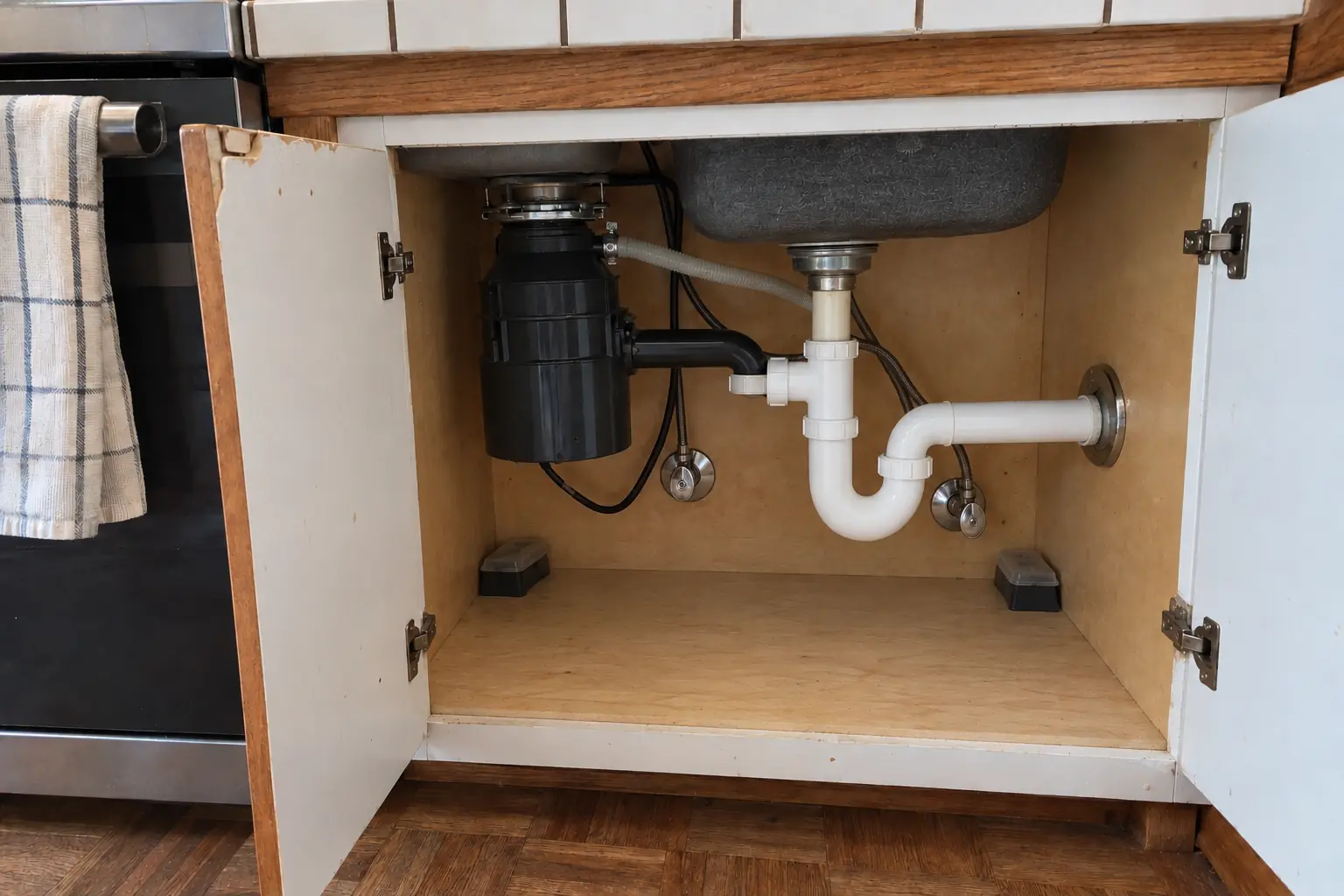
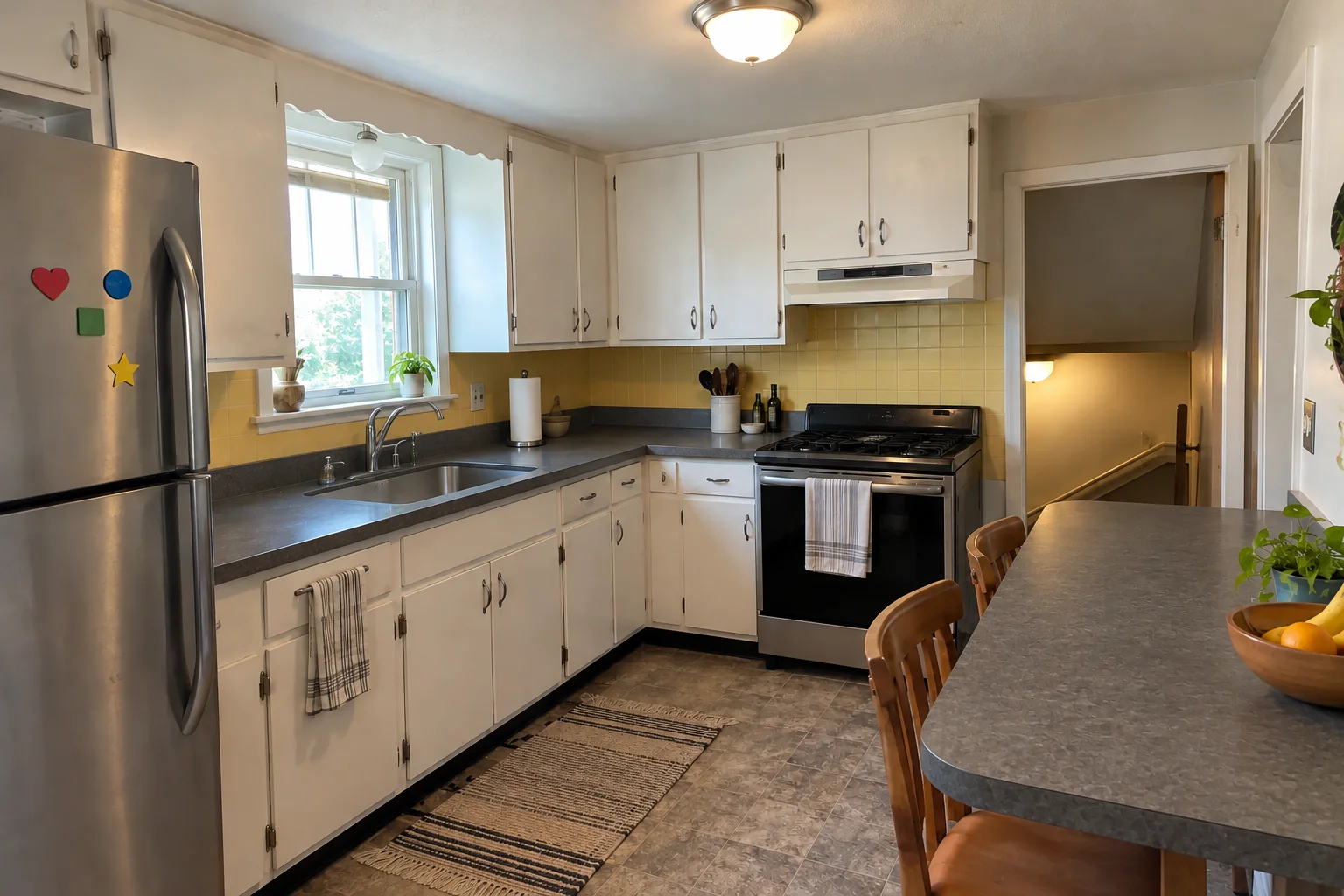
Kitchen Pest Control project in Skokie, beforeBefore
Kitchen Pest Control project in Skokie, afterAfter

Skokie kitchen, 1980s two-story: kitchen pest control

A 1980s two-story in Skokie, a typical kitchen for Skokie. The main complaint was roaches coming out at night. The result: the same cabinet cleaned, pipe gaps sealed with escutcheon plates and discreet bait stations in place. On site this meant inspection, sealing entry points, plus targeted treatment.

Kitchen Pest Control in Skokie →
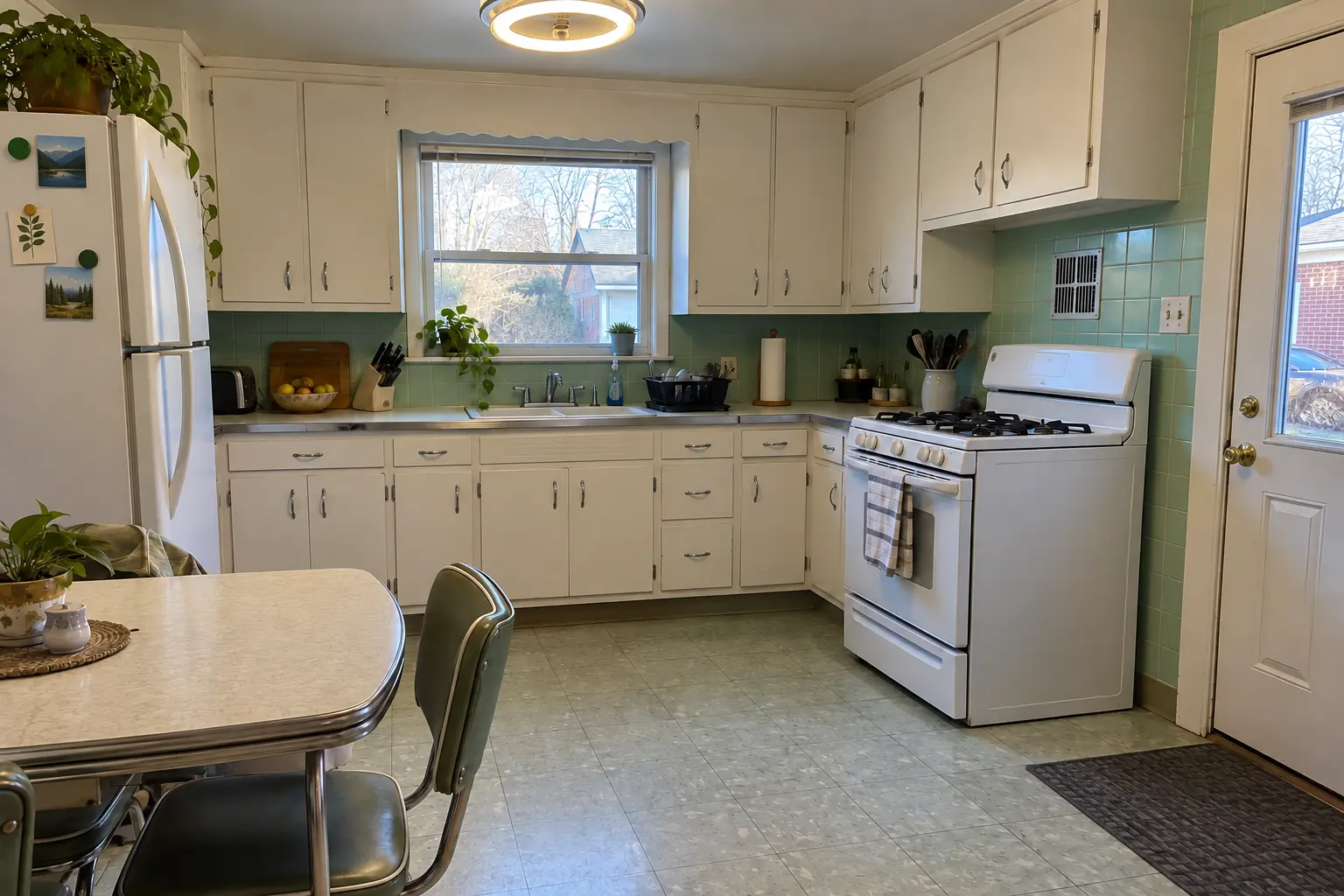
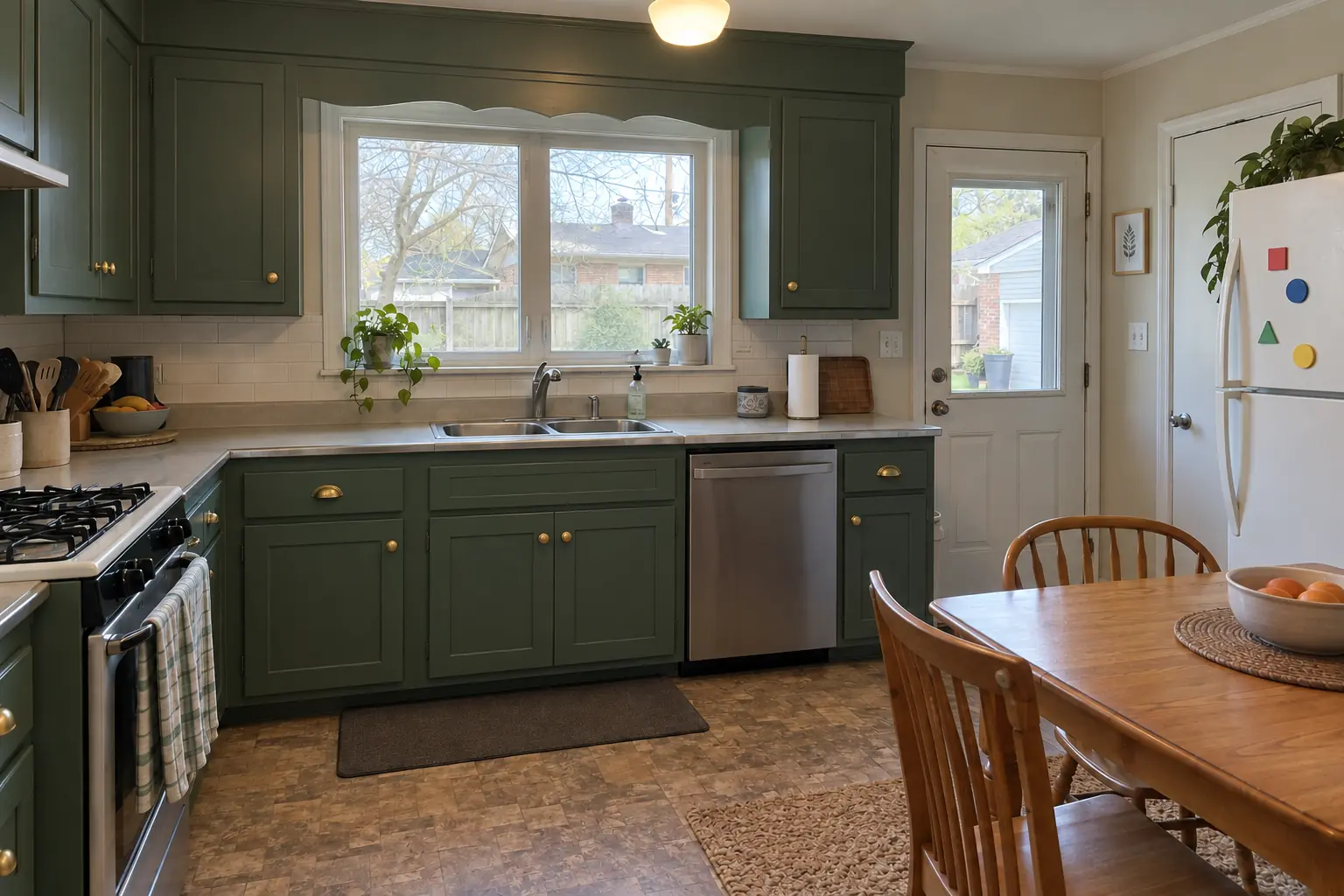
Kitchen Remodeling project near Park Ridge, beforeBefore
Kitchen Remodeling project near Park Ridge, afterAfter

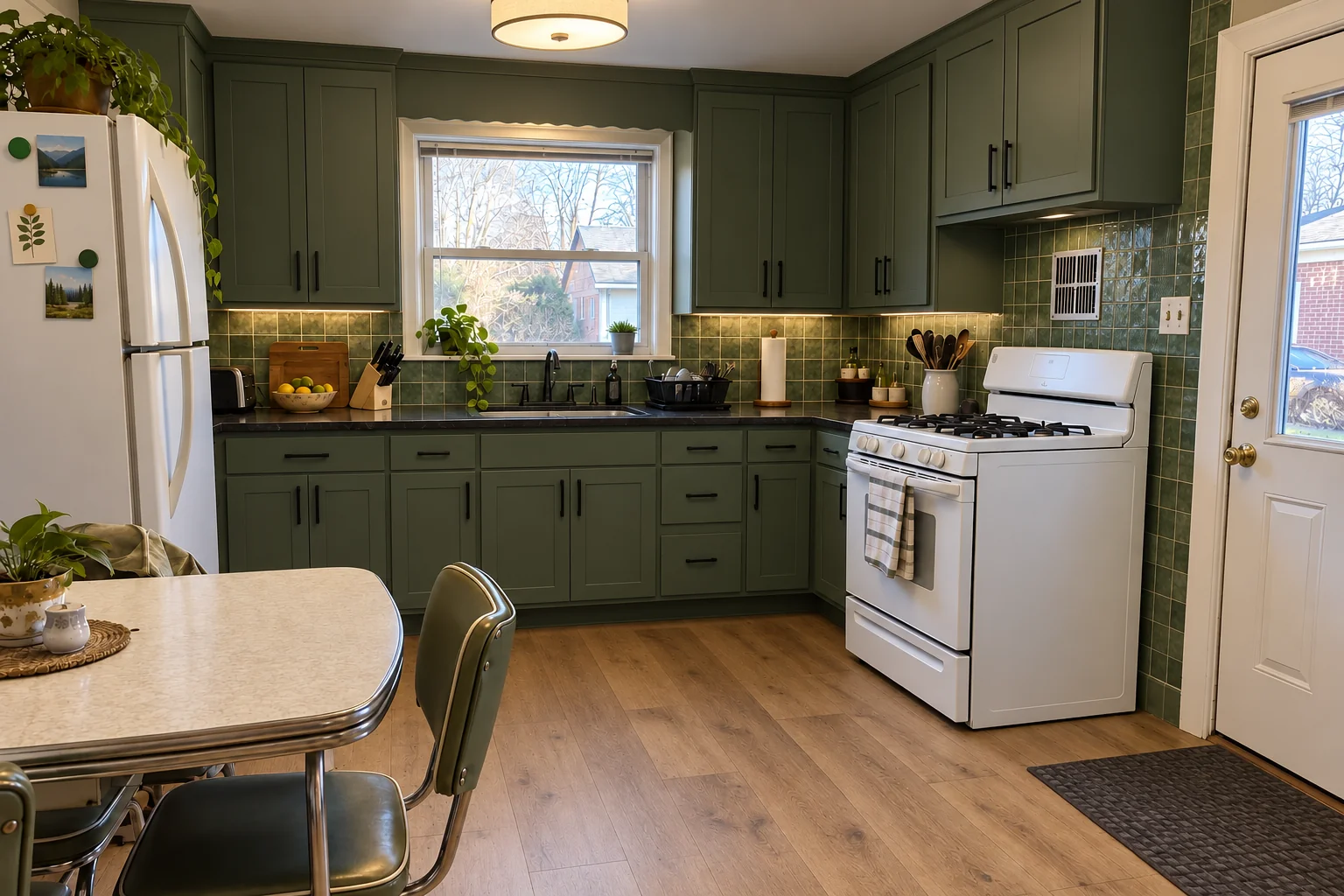
A Park Ridge 1950s ranch: before and after

What changed: cabinets in forest green with matte black pulls, black honed granite counters, a green zellige-look tile backsplash, warm oak luxury vinyl plank flooring and a flush drum fixture and under-cabinet lights.

Kitchen Remodeling in Park Ridge →
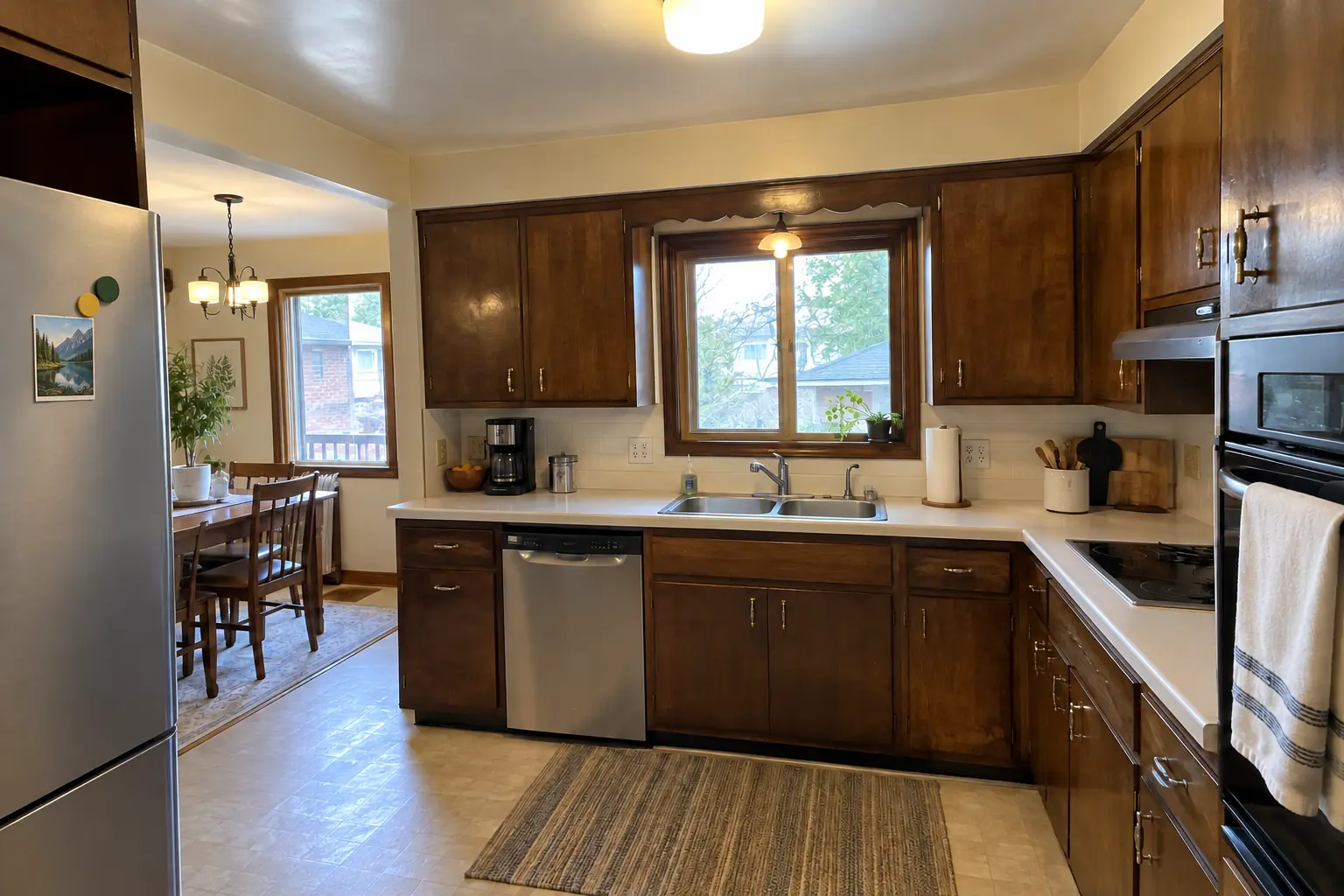
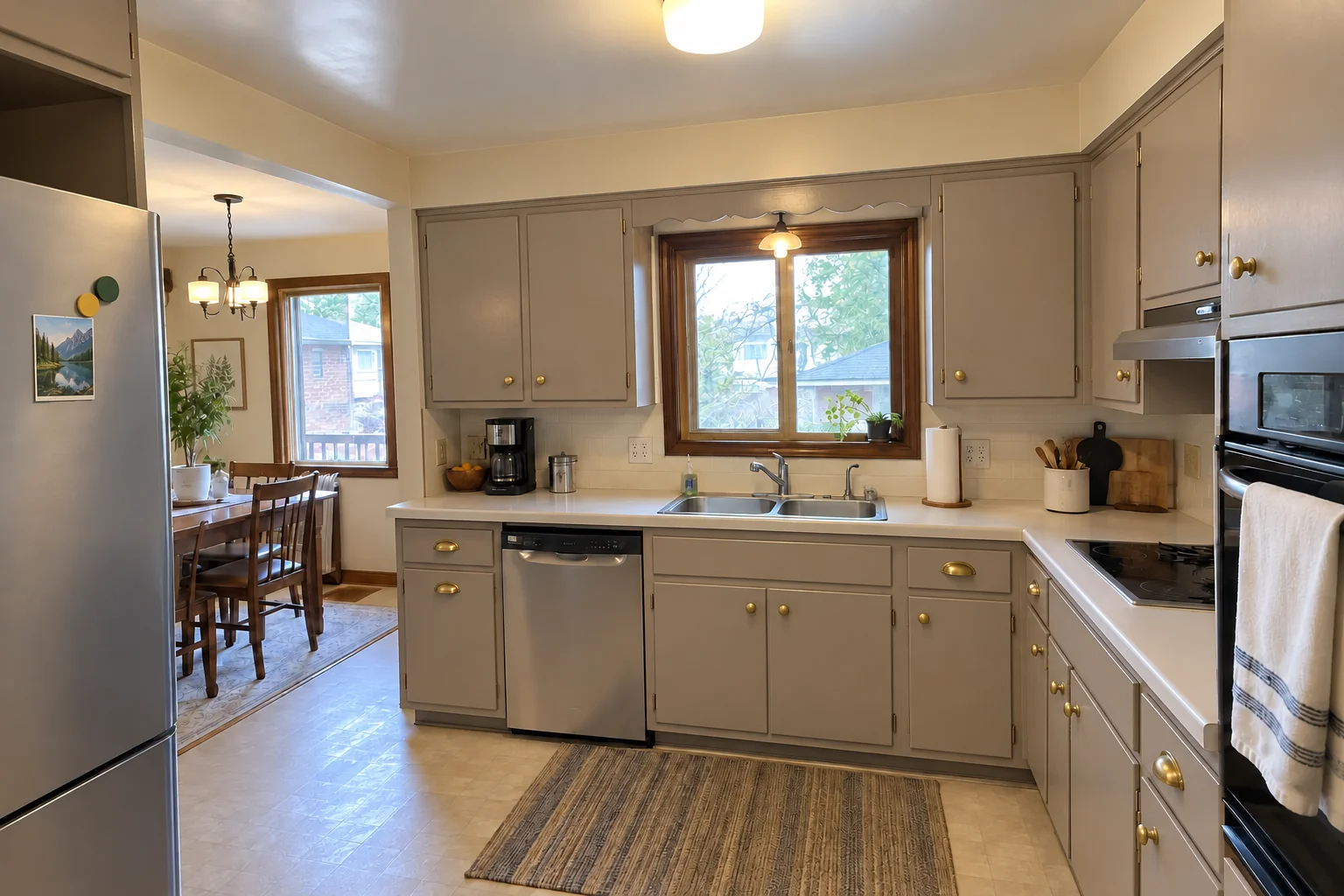
Kitchen Cabinet Painting project near Park Ridge, beforeBefore
Kitchen Cabinet Painting project near Park Ridge, afterAfter

Park Ridge kitchen, 1960s ranch: kitchen cabinet painting

The same doors sprayed in light warm taupe, new unlacquered brass knobs and cup pulls; counters and floor stayed as they were.

Kitchen Cabinet Painting in Park Ridge →

Cleaning day

  1. Tell us what you're seeingDescribe what you've seen, where and when, and send photos of droppings or insects if you can.
  2. Inspection and planOn site, we find the source and tell you what we'll do and use.
  3. Treatment and sealingEntry points are sealed and baits or traps placed by IDPH-licensed technicians.
  4. Follow-upA follow-up visit checks results and closes any remaining gaps.

Kitchen Pest Control questions from Park Ridge homeowners

Why do roaches spread in multi-unit buildings?
Roaches travel through walls and pipes between units. Sealing your kitchen's openings limits it.
How do I get rid of mice in kitchen cabinets?
We inspect for droppings and openings, seal gaps and set traps in the cabinet voids.
What are the most common kitchen pests?
In Chicago-area kitchens, German cockroaches, house mice, ants and pantry pests like moths and beetles.
Do you use integrated pest management?
That is our approach: fix the conditions, close entry points, treat where pests live and track results.
How much does kitchen pest control cost?
The species, the size of the problem and the sealing work drive the price. You get a line-item estimate first.
Do I need a permit for kitchen pest control visit in Park Ridge?
It depends on the scope. Park Ridge's rule in short: Park Ridge publishes permit guidelines by project type; contact the Permit Technicians to confirm whether a kitchen project needs a permit. We handle the permit when one is needed.
Do you work in my part of Park Ridge?
Yes. Our crews work across Park Ridge — ZIP 60068 — and nearby Des Plaines, Glenview, Skokie.

Working in Park Ridge

  • A lot of Park Ridge kitchens date from the 1950s. We know these layouts well and what is worth keeping.
  • Most Park Ridge homes are single-family. We protect floors and driveways and leave the site clean every day.
  • We know how Park Ridge building department handles kitchen permits and pull them for you.

ZIP 60068

Kitchen Pest Control nearby

Planning a kitchen project in Park Ridge?

Call us — we'll check your ZIP, answer your questions and book an in-home estimate.

Call now (708) 400-7049
Call (708) 400-7049Callback