Serving Tinley Park & nearby Orland Park, Woodridge

Kitchen Pest Control in Tinley Park, IL

Cockroaches, mice and ants handled at the source in Tinley Park kitchens, with entry points sealed and food areas kept safe.

  • Serving Tinley Park ZIP 60477, 60487
  • A clear checklist of what gets cleaned
  • Scheduled around your day

Prefer a callback?

Leave your number and a Tinley Park pest control technician will call you.

Kitchen pest problems we deal with in Tinley Park

Whether it is cockroaches at night, droppings in a drawer or a line of ants along the counter, we work out the species and the source first. In Tinley Park homes we seal entry points, place gel baits or traps away from food prep, and come back to monitor. We explain what is used and where.

Gaps around pipes and gas lines

Openings where pipes and the gas line enter cabinets are pest highways. We seal them with materials that pests can't chew through easily.

Cockroaches at night

If you see roaches when you turn on the light, there are more hiding nearby. We find the harborage areas and place baits there, then monitor activity.

Roaches in cabinets and around the sink

Cockroaches gather where plumbing comes through the cabinet back. Closing those gaps and placing bait in the voids cuts them off.

Pantry moths and beetles in food

Pantry pests live in the food itself, so treatment starts with finding and discarding infested packages and cleaning the shelves.

Scratching in the walls or ceiling

Noise at night in the kitchen ceiling or walls often comes from mice moving between floors. We check the gaps around pipes, vents and the gas line.

Pests that came back after DIY sprays

If spraying worked for a week and then they returned, the source was untouched. We find and treat the harborage.

Kids and pets in the home

We tell you what is used and where, use tamper-resistant stations where needed and place traps out of reach.

Pests behind the refrigerator and stove

Behind and under the range is where crumbs collect. Cleaning it out removes a food source that keeps pests around.
What the cleaning covers

  • InspectionA flashlight inspection of the kitchen shows where pests hide, feed and enter.
  • Identifying the pestGerman cockroach, mouse, ant or pantry pest: the species decides the treatment.
  • Explaining the planYou get a clear explanation of products, placements and prep before treatment.
  • Sealing entry pointsWe close the openings pests use, starting with plumbing penetrations.
  • Sanitation adviceWe point out food sources, clutter and moisture that keep pests around.
  • Targeted treatmentTreatment is applied by IDPH-licensed technicians in cracks, voids and stations, not on open surfaces.
  • MonitoringWe place monitors to track results between visits.

Methods we use

Sealed food storageSealed bins stop pantry pests and make the kitchen less attractive to mice.
Sticky monitorsShow which areas have activity and confirm when it stops.
Ant baitsSlow-acting baits the workers carry back to the colony.
Exclusion materialsCopper or steel mesh, sealants and escutcheon plates close gaps around pipes.
Gel baits for cockroachesPlaced in small dots in cracks and hinges where roaches hide, away from food surfaces.

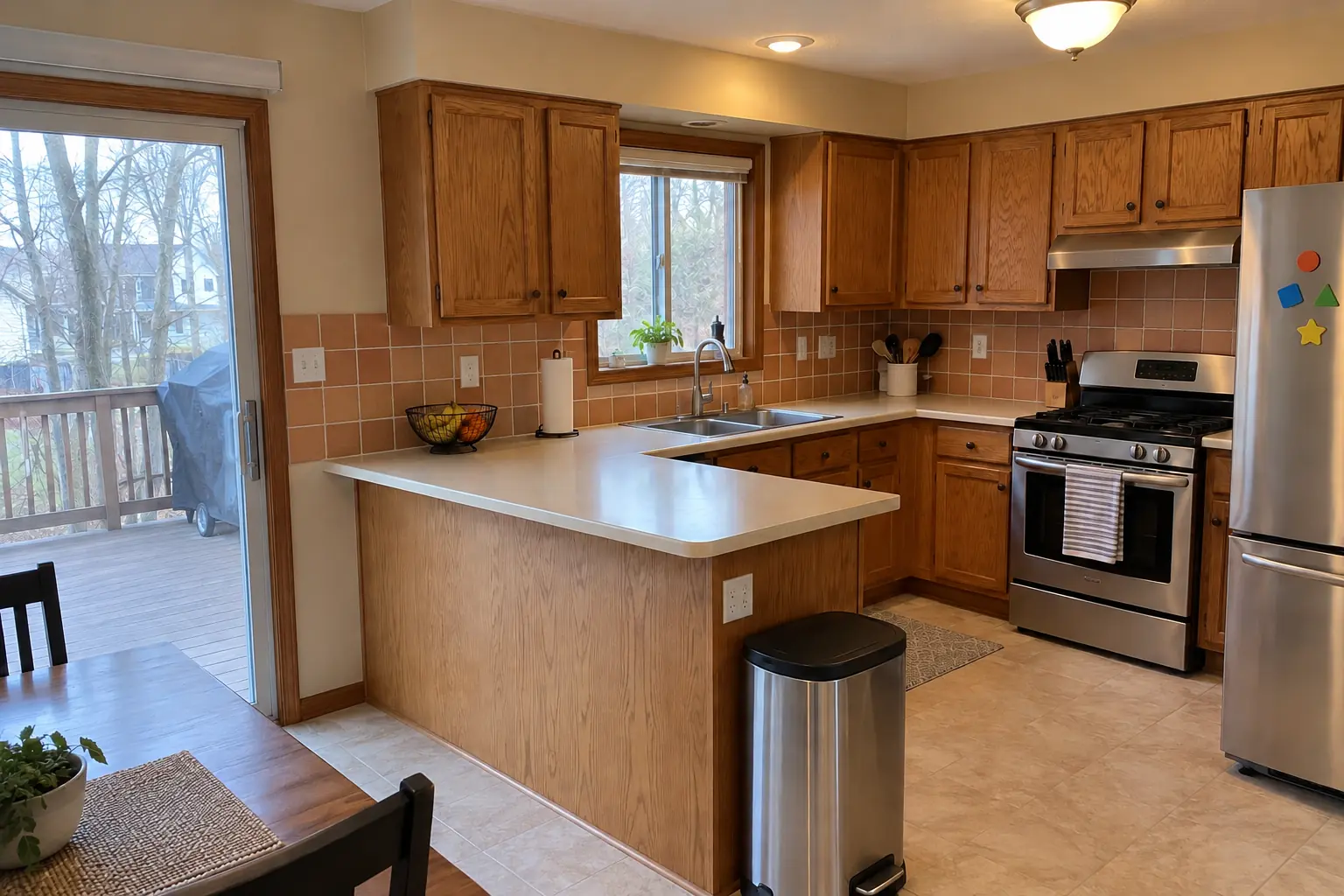
Kitchen Pest Control before and after — Tinley Park homes

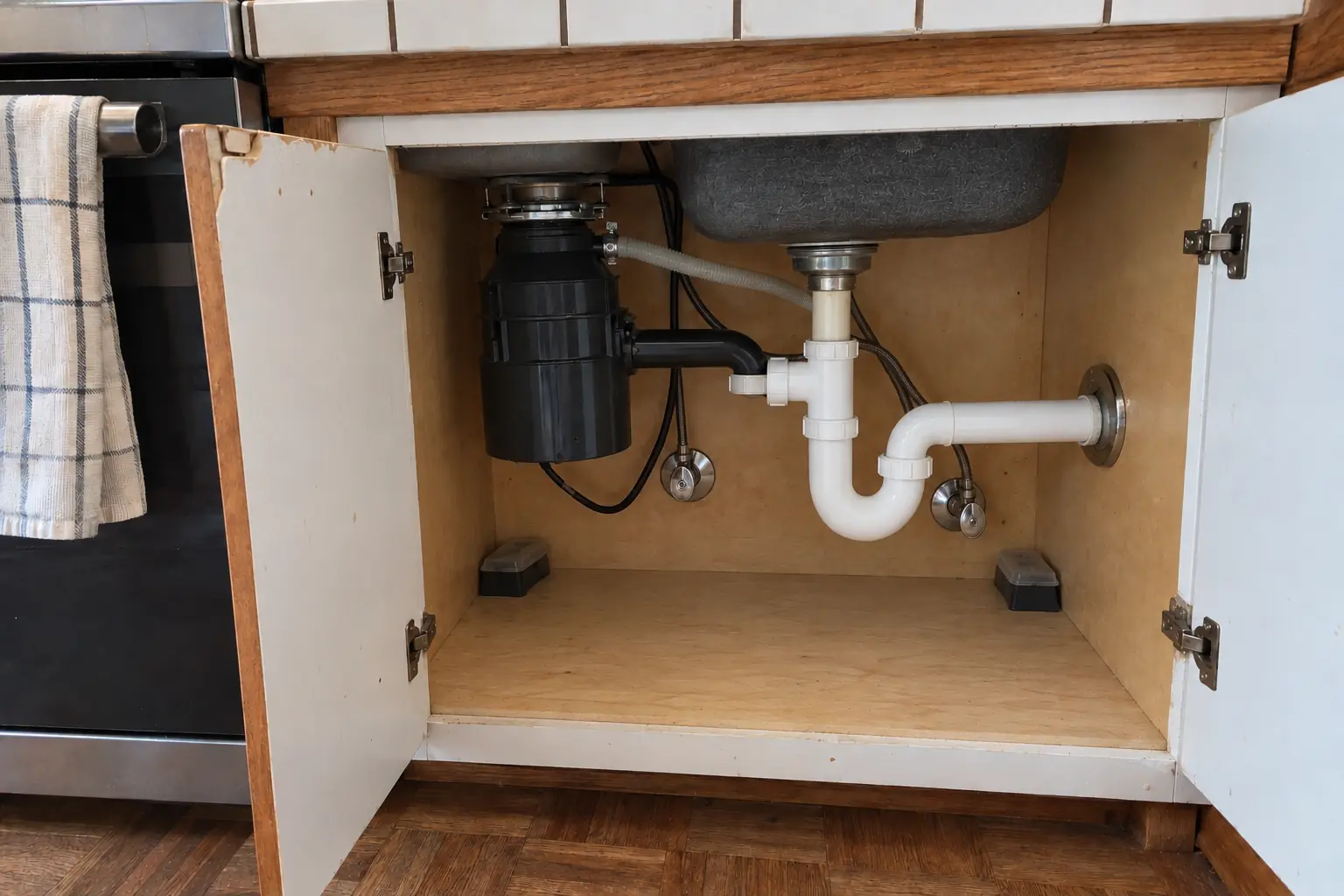
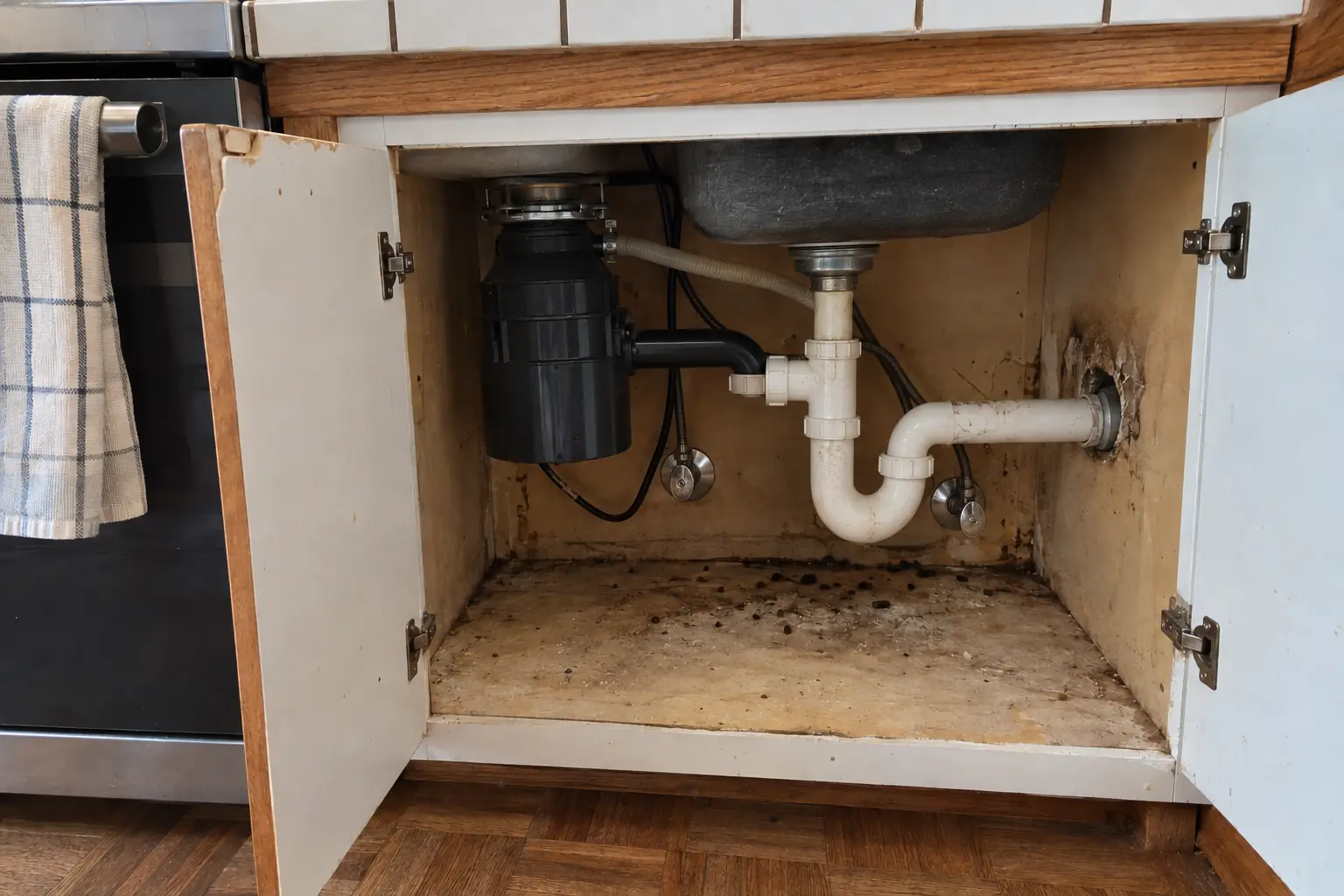
Kitchen Pest Control in a 1980s-1990s two-story colonial / tract house — beforeBefore
Kitchen Pest Control in a 1980s-1990s two-story colonial / tract house — afterAfter

A Tinley Park two-story colonial from the 1990s: before and after

The site: a two-story colonial from the 1990s in Tinley Park. The main complaint was roaches coming out at night. Finished kitchen: the same cabinet cleaned, pipe gaps sealed with escutcheon plates and discreet bait stations in place. Work included inspection, sealing entry points, plus sanitation advice.
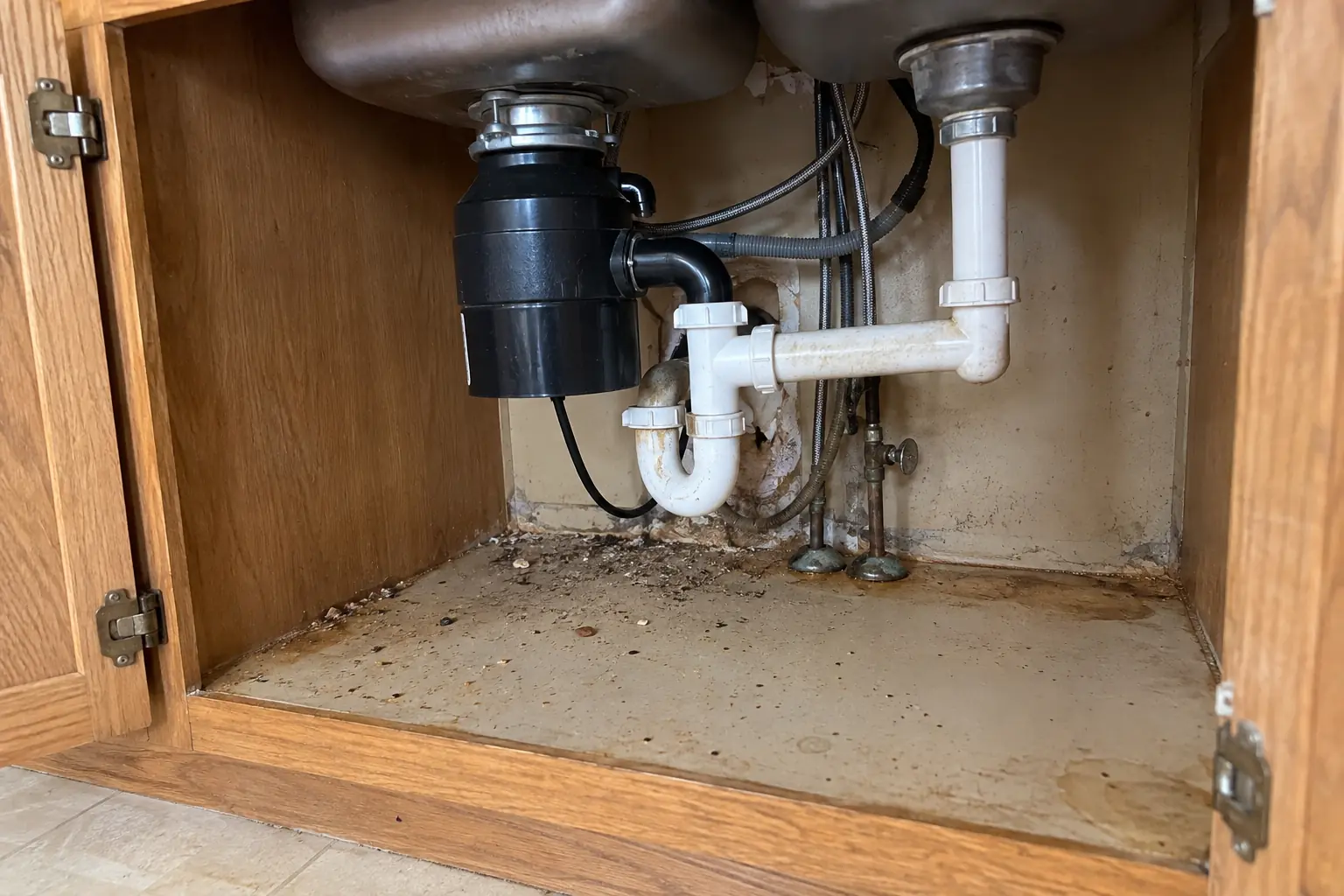
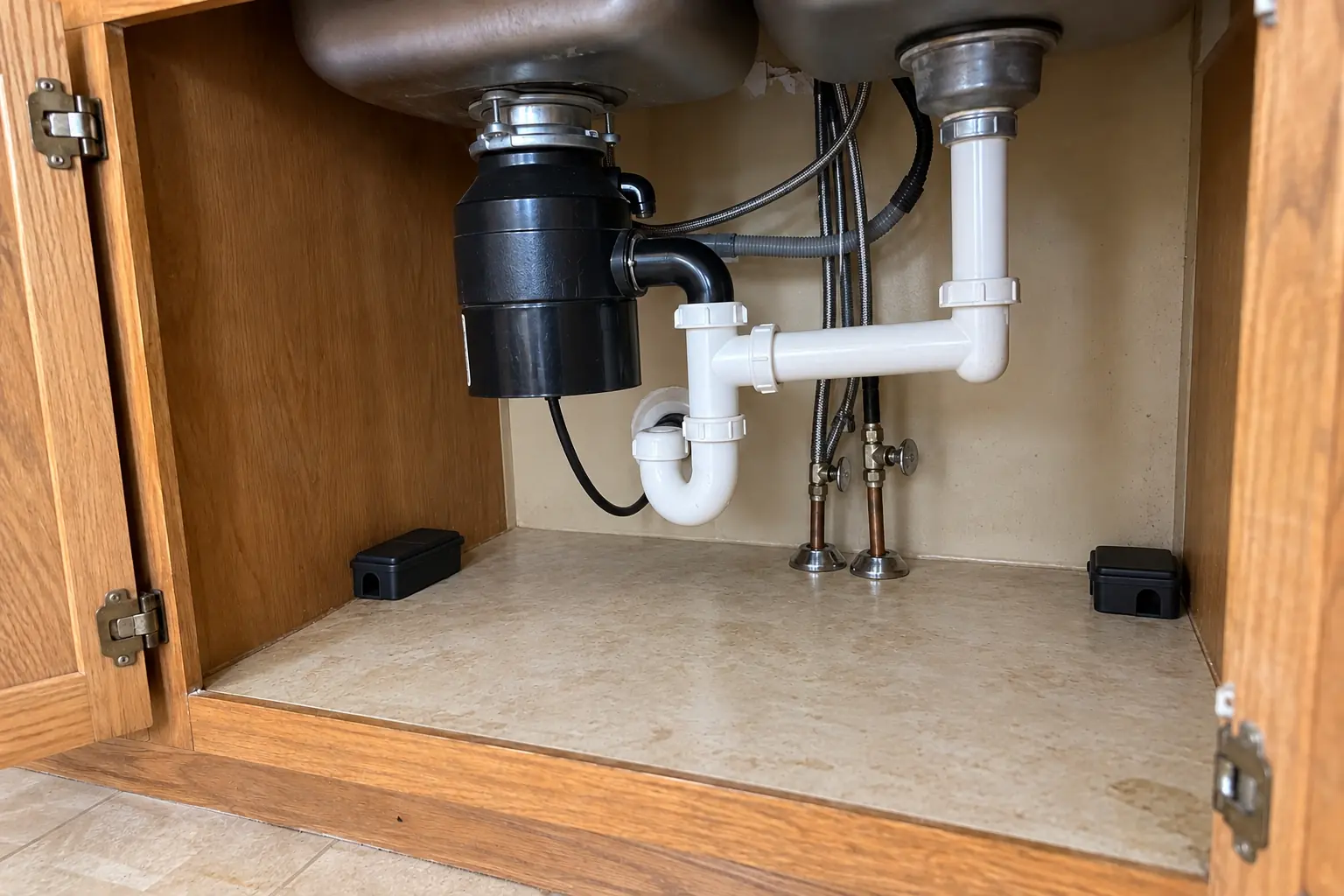
Kitchen Pest Control project in Orland Park, beforeBefore
Kitchen Pest Control project in Orland Park, afterAfter

Orland Park kitchen, 1990s two-story colonial: kitchen pest control

A 1990s two-story colonial in Orland Park, a typical kitchen for Orland Park. What bothered the owners most: pests under the sink that kept coming back. Finished kitchen: the same cabinet cleaned, pipe gaps sealed with escutcheon plates and discreet bait stations in place. The job covered inspection, explaining the plan, plus sanitation advice.

Kitchen Pest Control in Orland Park →
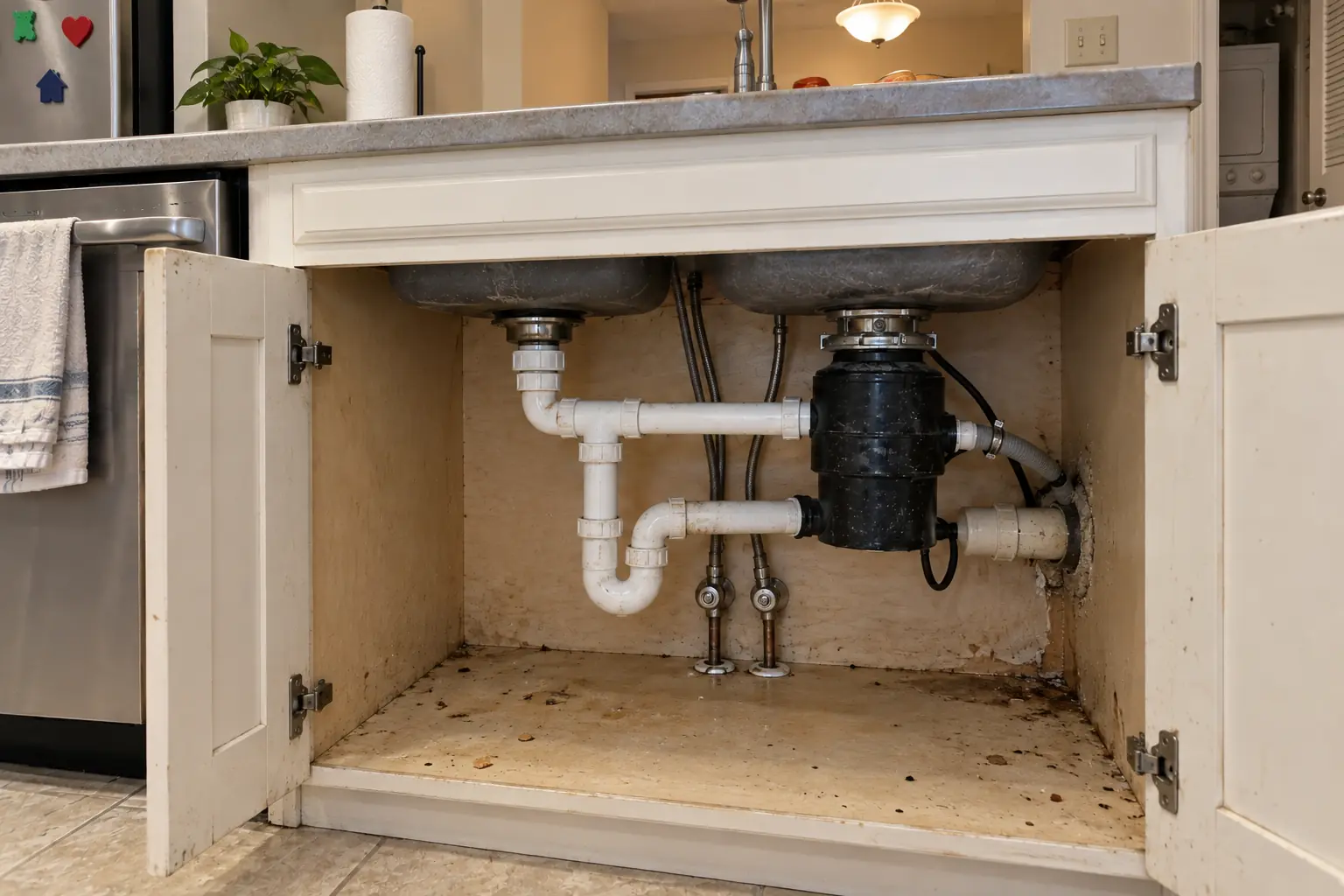
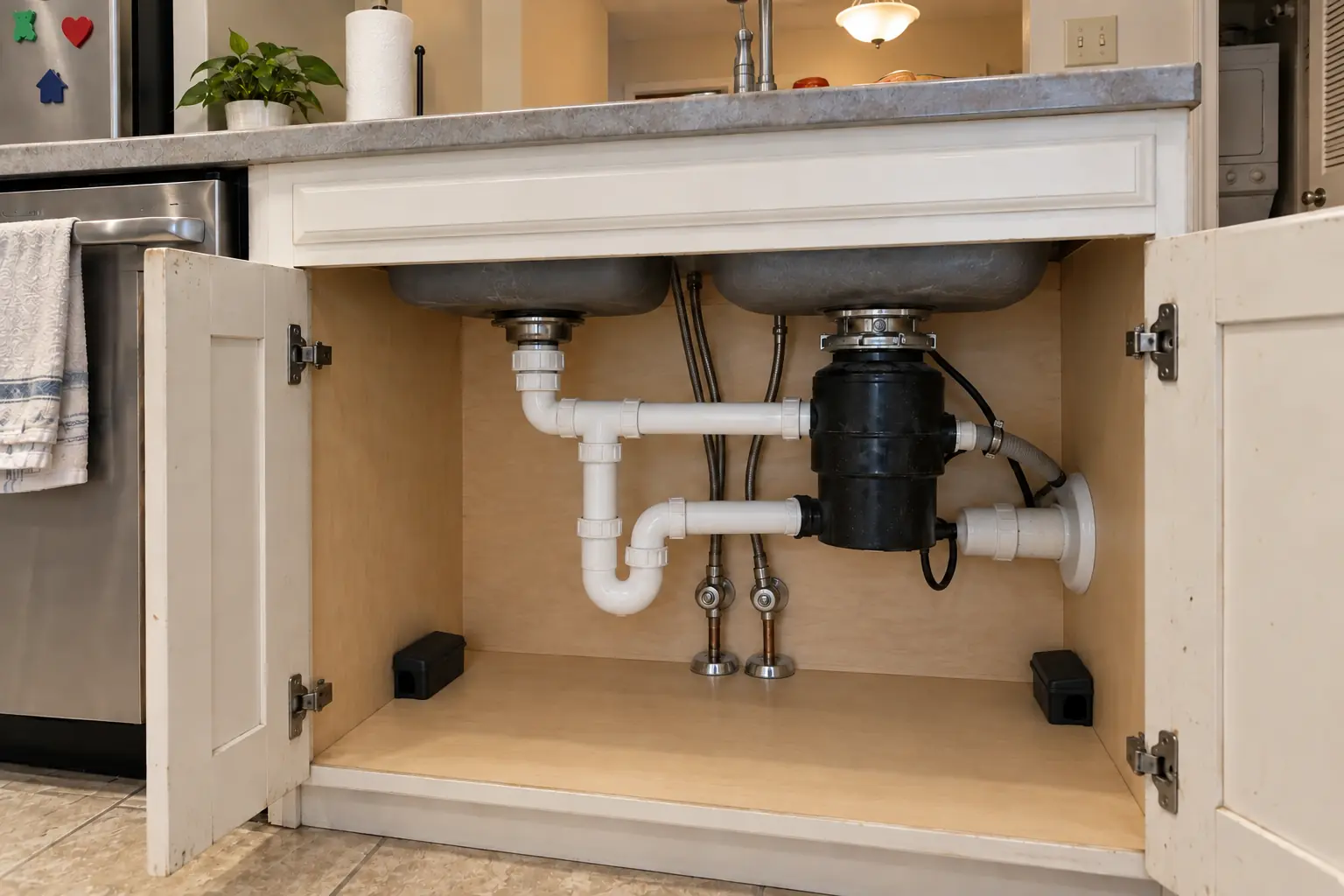
Kitchen Pest Control project in Woodridge, beforeBefore
Kitchen Pest Control project in Woodridge, afterAfter

Kitchen Pest Control in a suburban townhome, Woodridge

A suburban townhome near The Ridge, a typical kitchen for Woodridge. The reason for the call: roaches coming out at night. After: the same cabinet cleaned, pipe gaps sealed with escutcheon plates and discreet bait stations in place. Work included inspection, sanitation advice, plus targeted treatment.

Kitchen Pest Control in Woodridge →
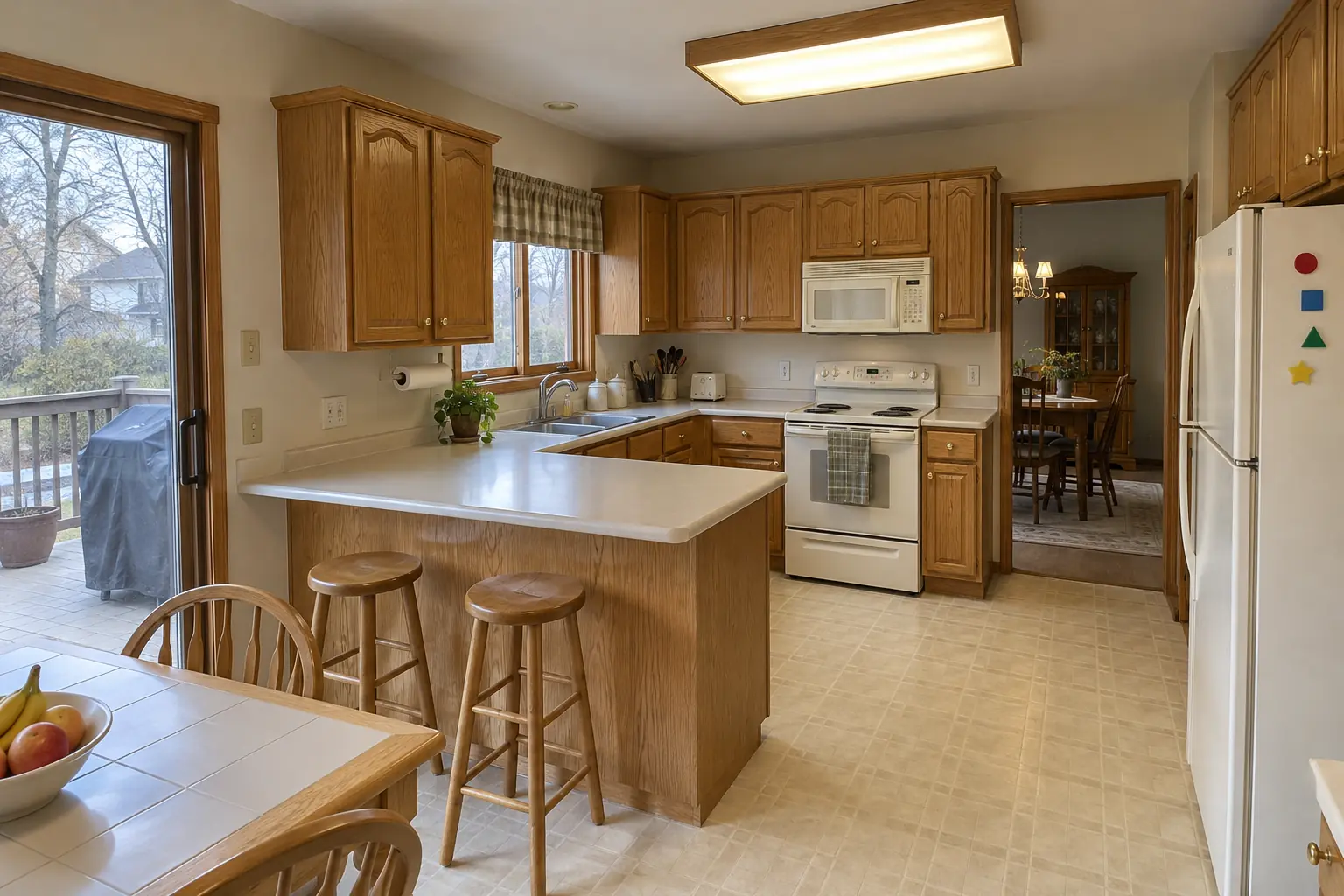
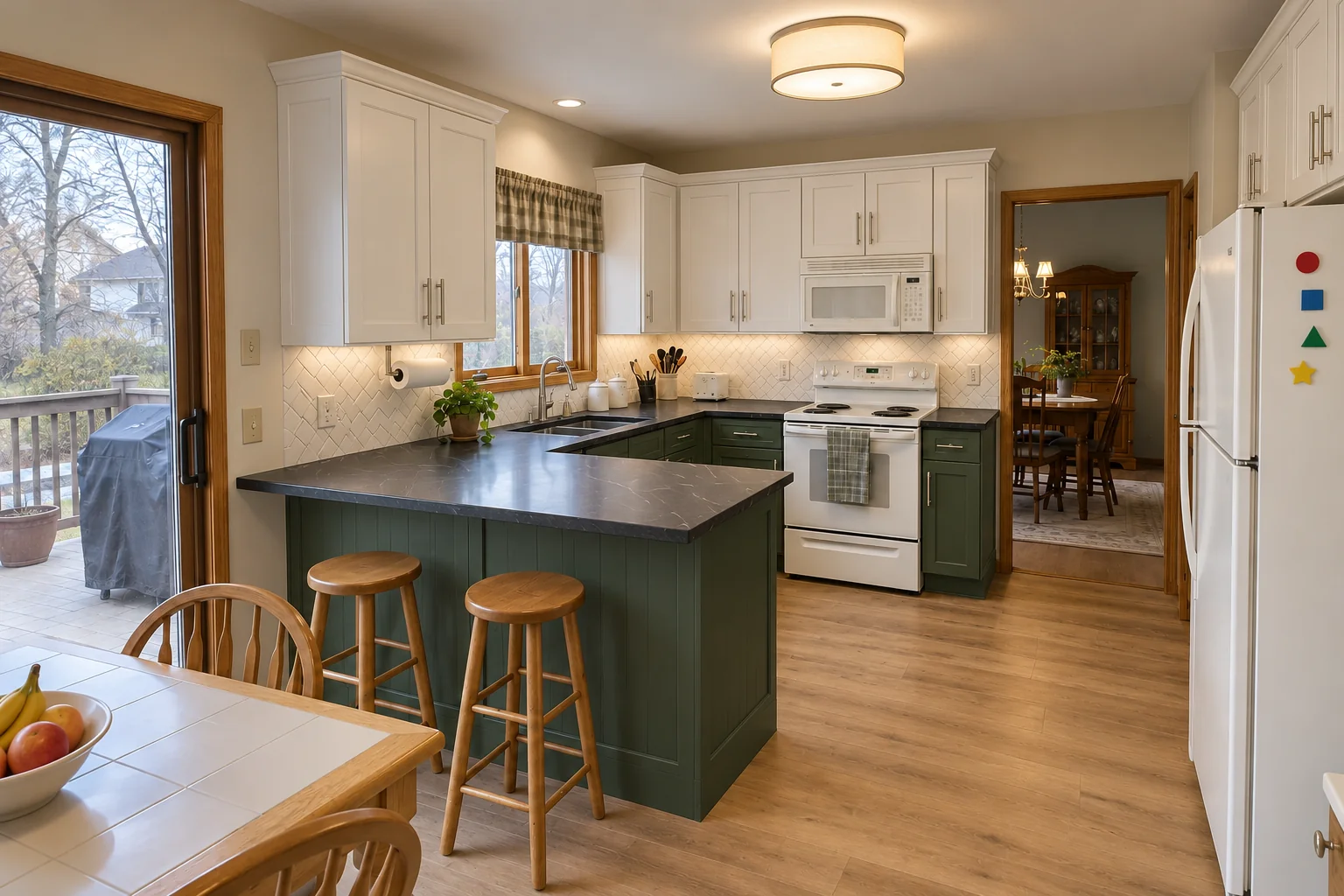
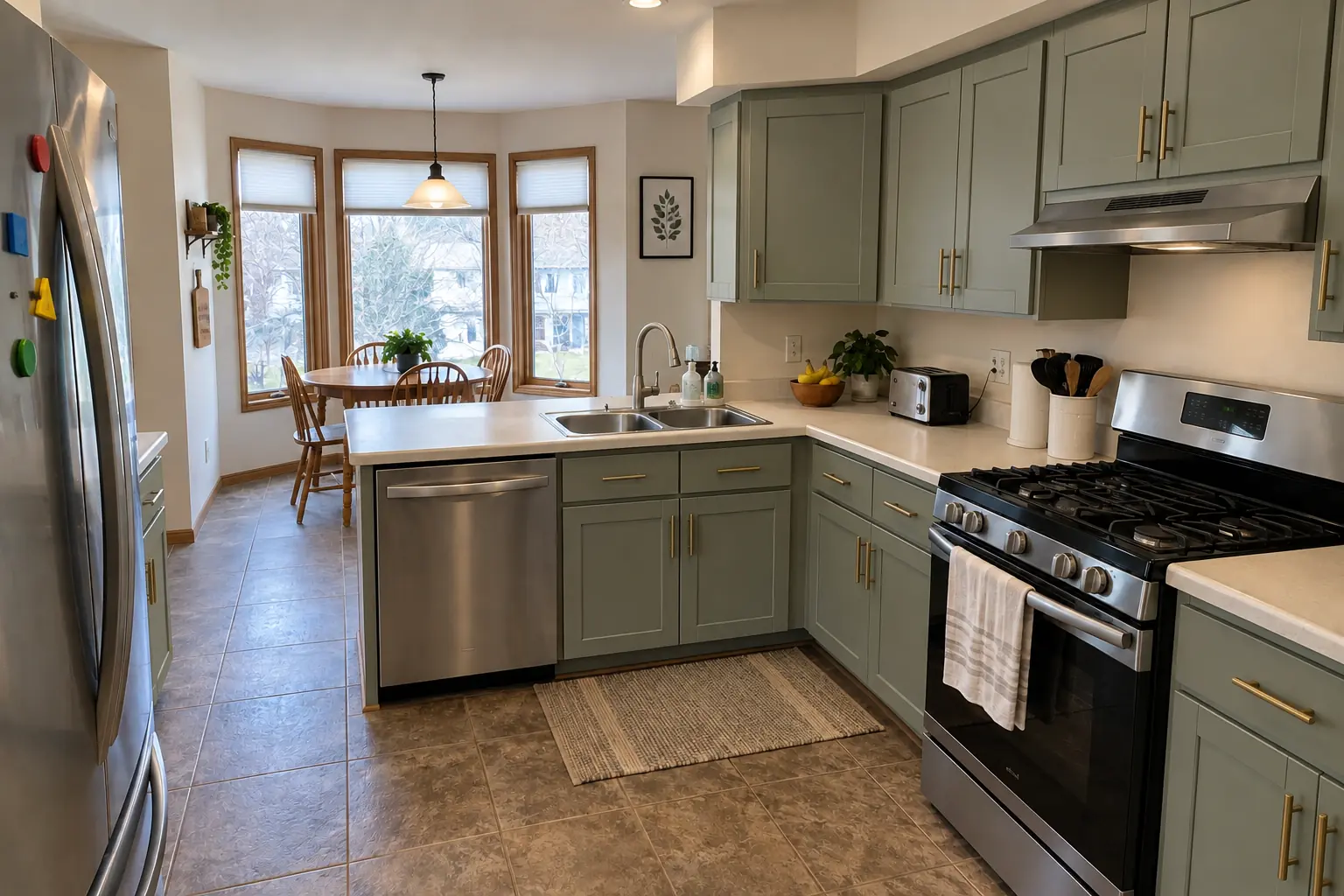
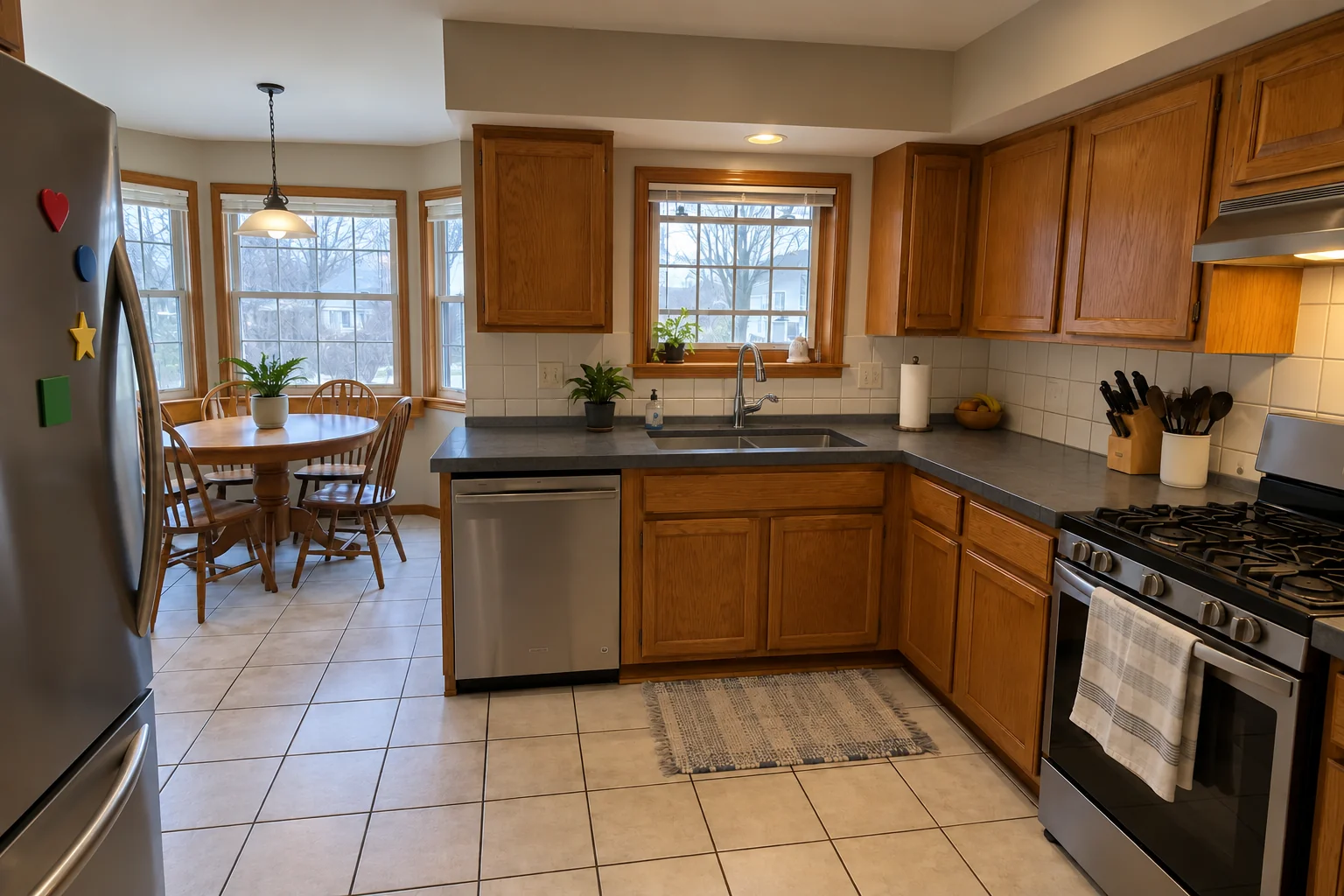
Kitchen Remodeling project near Tinley Park, beforeBefore
Kitchen Remodeling project near Tinley Park, afterAfter

Before and after: a 1990s two-story colonial in Tinley Park

Finished: cabinets in white uppers and deep green lowers with polished nickel pulls, dark soapstone-look quartz counters, a white herringbone tile backsplash, warm oak luxury vinyl plank flooring and a flush drum fixture and under-cabinet lights.

Kitchen Remodeling in Tinley Park →
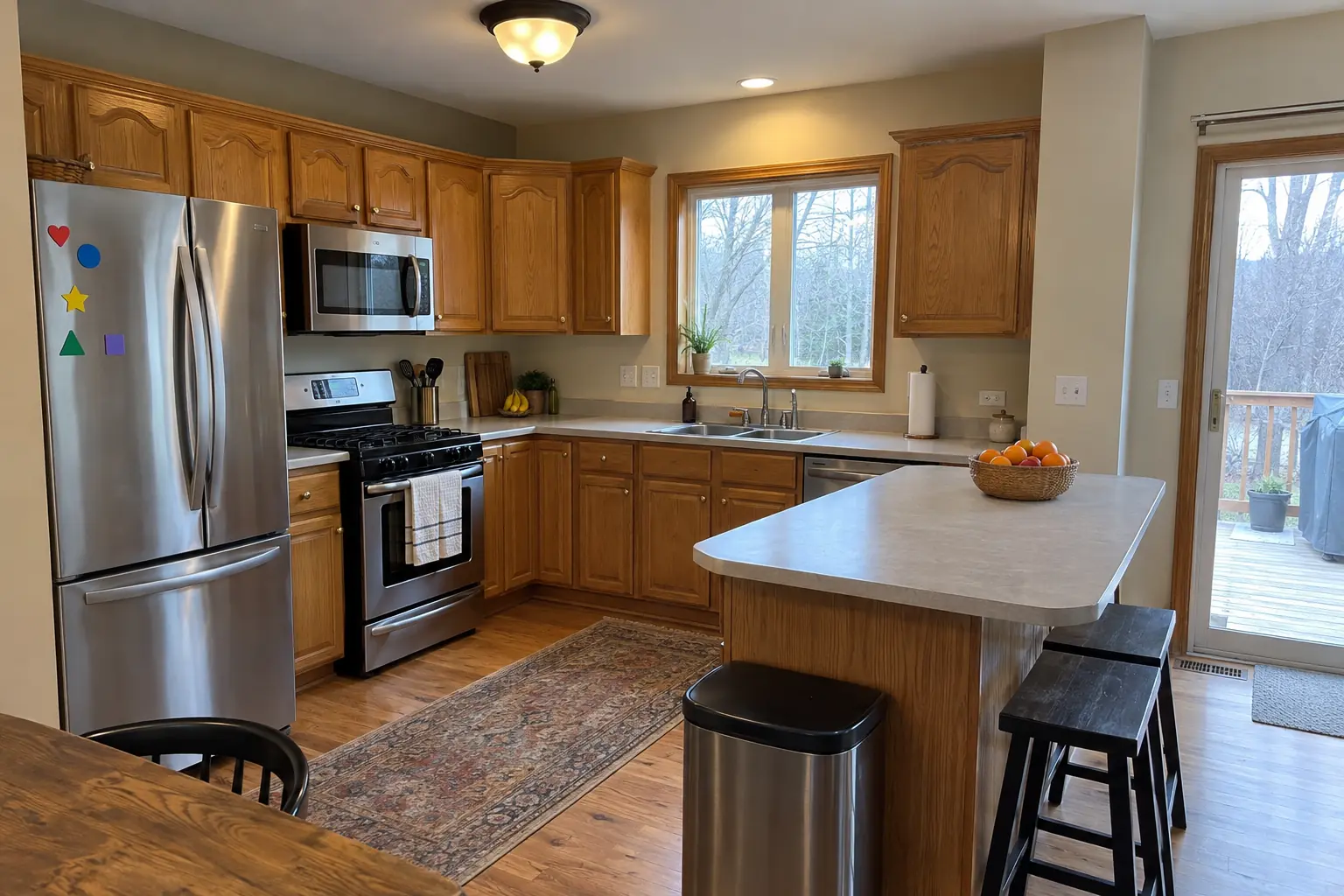
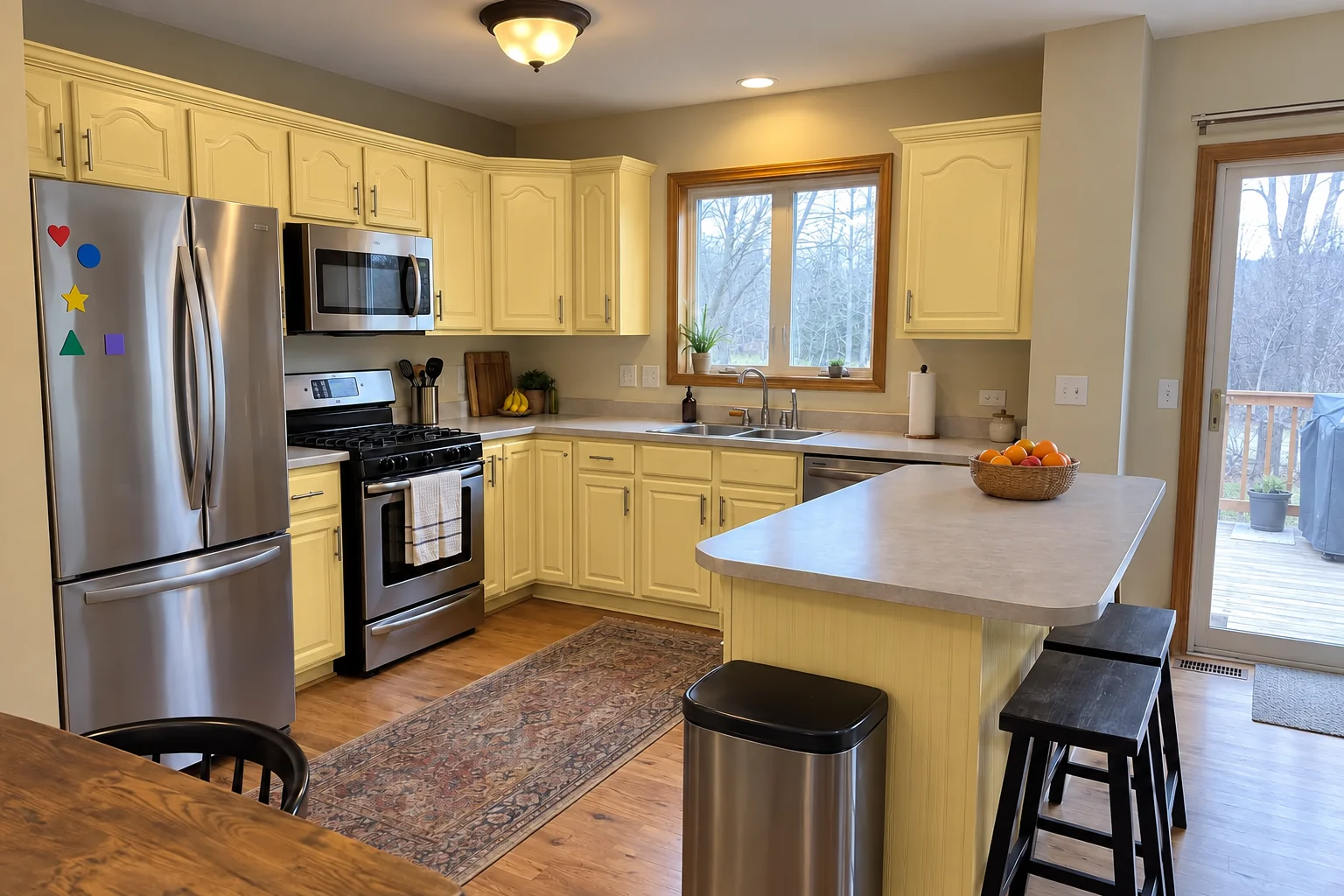
Kitchen Cabinet Painting project near Tinley Park, beforeBefore
Kitchen Cabinet Painting project near Tinley Park, afterAfter

Kitchen Cabinet Painting in a 1990s two-story colonial, Tinley Park

What changed: the same doors sprayed in light butter yellow, new brushed nickel bar pulls; counters and floor stayed as they were.

Kitchen Cabinet Painting in Tinley Park →

From walk-through to done

  1. Tell us what you're seeingA quick description and photos help us plan the inspection.
  2. Inspection and planOn site, we find the source and tell you what we'll do and use.
  3. Treatment and sealingEntry points are sealed and baits or traps placed by IDPH-licensed technicians.
  4. Follow-upA follow-up visit checks results and closes any remaining gaps.

Kitchen Pest Control questions from Tinley Park homeowners

What are the most common kitchen pests?
Roaches, mice, ants and insects in stored food are the ones we see most in kitchens.
How do I get rid of mice in kitchen cabinets?
Seal the entry points, remove food sources and trap along their routes. We find where they're getting in, which is the step most people miss.
Are your technicians licensed?
Yes. In Illinois, applying pesticides in homes requires a license from the Department of Public Health, and our treatments are done by licensed technicians.
Is your treatment safe around food, kids and pets?
Placement keeps products away from counters, dishes and reachable areas. Tell us about kids and pets so we plan for them.
How many visits will I need?
Usually an initial treatment plus follow-up visits to check monitors and adjust. Roaches often need more follow-up than mice or ants.
Do I need a permit for kitchen pest control visit in Tinley Park?
It depends on the scope. Tinley Park's rule in short: Permit required before construction, alteration or repair; extensive remodeling needs a permit. We handle the permit when one is needed with Building Department (Community Development).
Do you work in my part of Tinley Park?
Yes. Our crews work across Tinley Park — ZIP 60477, 60487 — and nearby Orland Park, Woodridge, Bolingbrook.

Working in Tinley Park

  • A lot of Tinley Park kitchens date from the 2000s. We know these layouts well and what is worth keeping.
  • Most Tinley Park homes are single-family. We protect floors and driveways and leave the site clean every day.
  • We know how Building Department (Community Development) handles kitchen permits and pull them for you.

ZIP 60477ZIP 60487

Kitchen Pest Control nearby

Planning a kitchen project in Tinley Park?

Call us — we'll check your ZIP, answer your questions and book an in-home estimate.

Call now (708) 400-7049
Call (708) 400-7049Callback