Serving Batavia & nearby Geneva, St. Charles

Kitchen Mold Remediation in Batavia, IL

Mold under the sink, behind the dishwasher or inside a wall? We fix the moisture and remove the mold from Batavia kitchens.

  • Serving Batavia ZIP 60510, 60539
  • Containment so the damage doesn't spread
  • One team from cleanup to rebuild

Prefer a callback?

Leave your number and a Batavia mold remediation technician will call you.

Kitchen mold problems we take care of in Batavia

Mold in a kitchen almost always follows water: a slow drip under the sink, a dishwasher leak or condensation behind the fridge. In Batavia we find and fix that moisture first, then contain the area, remove the affected materials and clean what stays.

A large area of mold

Large-area mold is handled with full containment and HEPA filtration, and we may suggest independent testing beforehand.

Mold under the sink with no visible leak

If mold came back after cleaning and nothing seems to drip, we look for hidden moisture with meters and run the fixtures while we watch.

Musty smell with no mold in sight

Odor is often the first sign. We find the wet area and open it only where needed.

Mold behind the refrigerator

Spots on the wall behind the refrigerator usually trace to the water line. We stop it and clean or replace the drywall.

Mold that keeps coming back

Mold returns when the moisture does. We find why that spot stays wet, whether a leak, condensation or poor ventilation, and fix it before removal.

Mold under the kitchen sink

Mold inside the sink cabinet is a symptom. We trace the water, cut out the affected cabinet bottom or back and check the wall behind it.

Condensation and window mold

Cooking steam without a working range hood can condense on cold windows and exterior walls, leading to growth on sills and drywall. We remove it and talk through ventilation.

Mold behind or under the dishwasher

Musty smells near the dishwasher often lead to mold on the subfloor or cabinet side. We remove the affected materials after fixing the leak.
From cleanup to rebuild

  • Inspection and moisture readingsWe look at the visible growth, check surrounding materials with a meter and find the moisture source.
  • Fixing the moisture sourceEPA advises fixing the water problem first; otherwise the mold returns.
  • ContainmentThe work area is sealed with plastic sheeting, and the rest of the kitchen and house is protected.
  • HEPA air filtrationAir scrubbers with HEPA filters run during the work, often with negative pressure on the containment.
  • Removing affected porous materialsMaterials mold has grown into are removed rather than cleaned.
  • Cleaning what staysFraming, plywood and other solid surfaces are HEPA-vacuumed and cleaned.
  • DryingWe confirm the materials are dry so growth doesn't restart.

Tools of the job

HEPA vacuumsCleanup equipment that holds fine dust instead of blowing it around.
Mold-resistant materialsMoisture-resistant drywall or plywood cabinet bottoms where it makes sense.
Moisture metersTools to find wet materials and confirm they are dry before closing up.
Replacement panels and drywallMaterials to rebuild the area after remediation.
Containment sheetingSealed plastic walls that keep the work separate from the rest of the home.

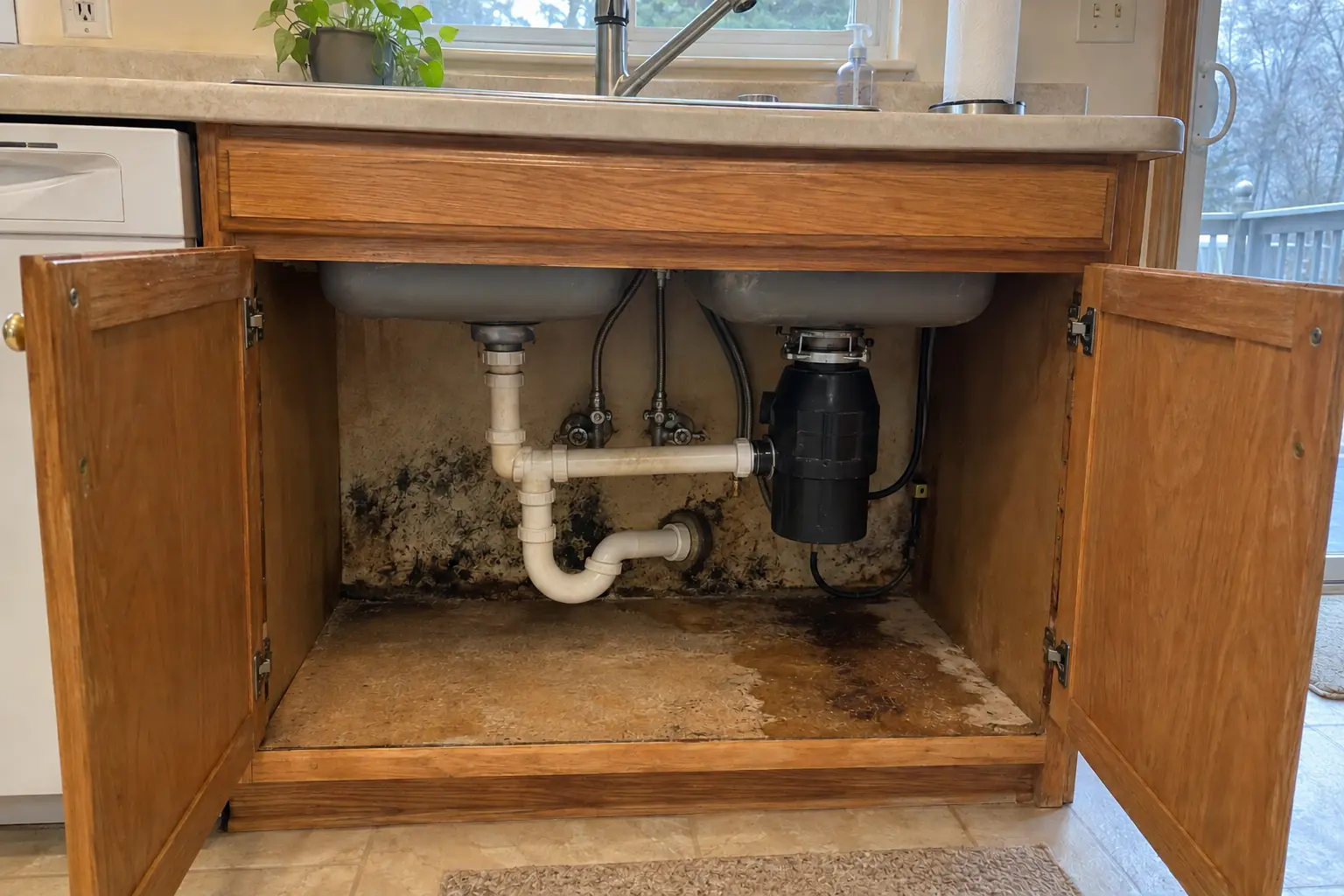
Kitchens like yours in Batavia: before and after

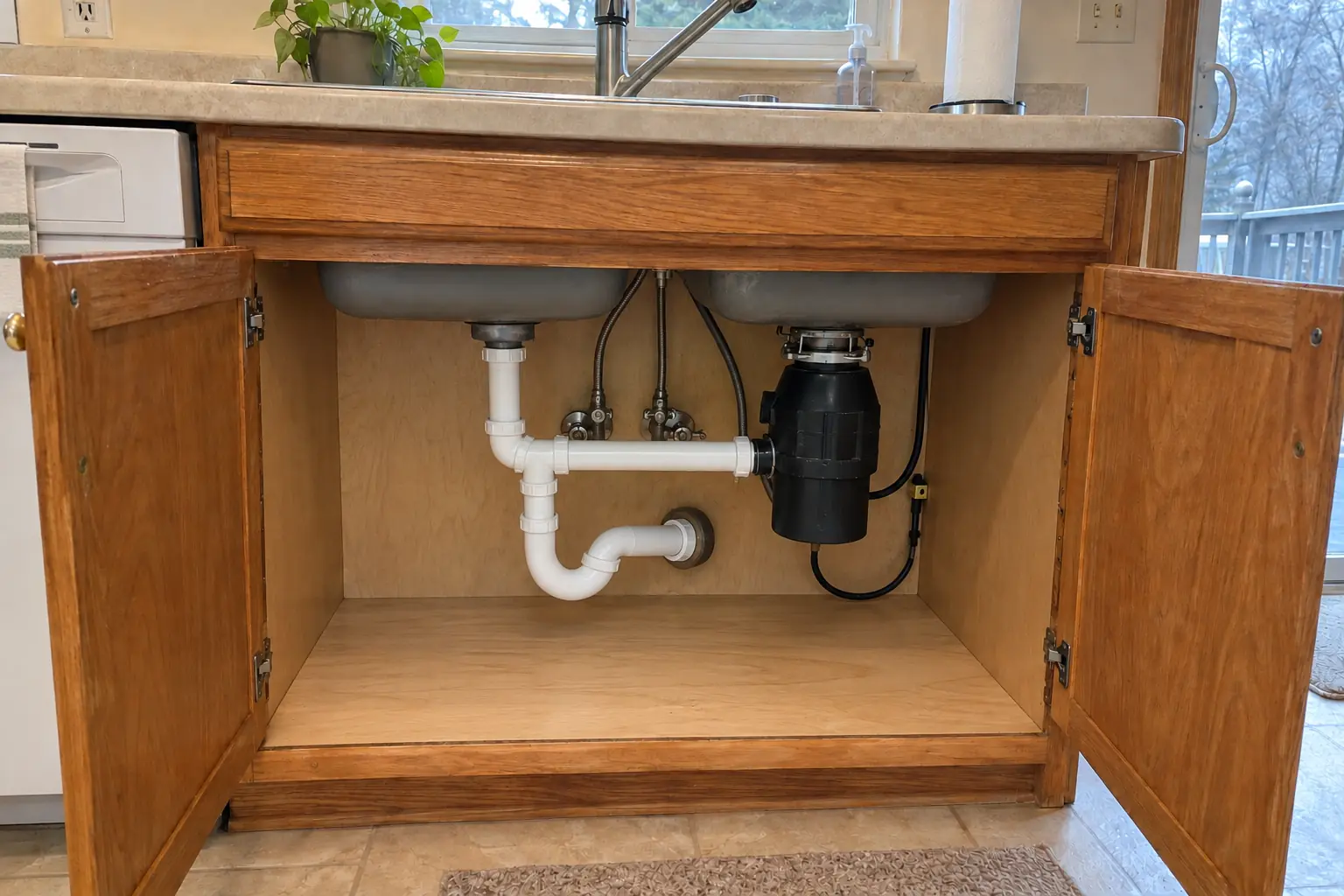
Kitchen Mold Remediation in a 1980s-1990s two-story colonial / tract house — problemProblem
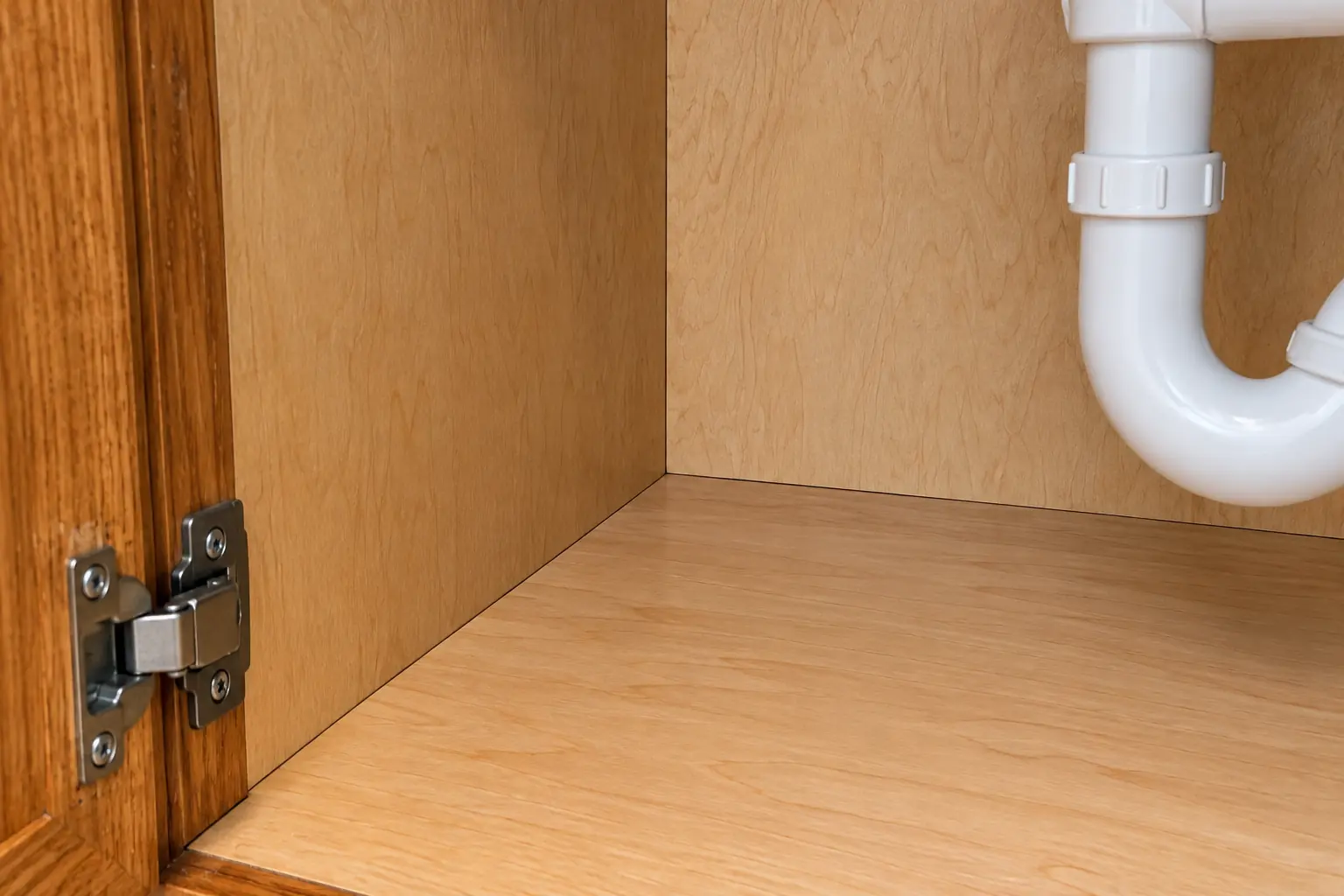
Kitchen Mold Remediation in a 1980s-1990s two-story colonial / tract house — fixedFixed
Kitchen Mold Remediation in a 1980s-1990s two-story colonial / tract house — detailDetail

Batavia kitchen, two-story colonial from the 1990s: kitchen mold remediation

This one is a two-story colonial from the 1990s in Batavia. The kitchen as it was: white cast-iron double sink and honey-oak cathedral raised-panel cabinets with worn finish near the handles, brass knobs. What bothered the owners most: a musty smell that wouldn't go away. After: the sink cabinet cleaned and dried, a new back panel and cabinet floor installed and the drain leak fixed. Work included fixing the moisture source, HEPA air filtration, plus cleaning what stays.
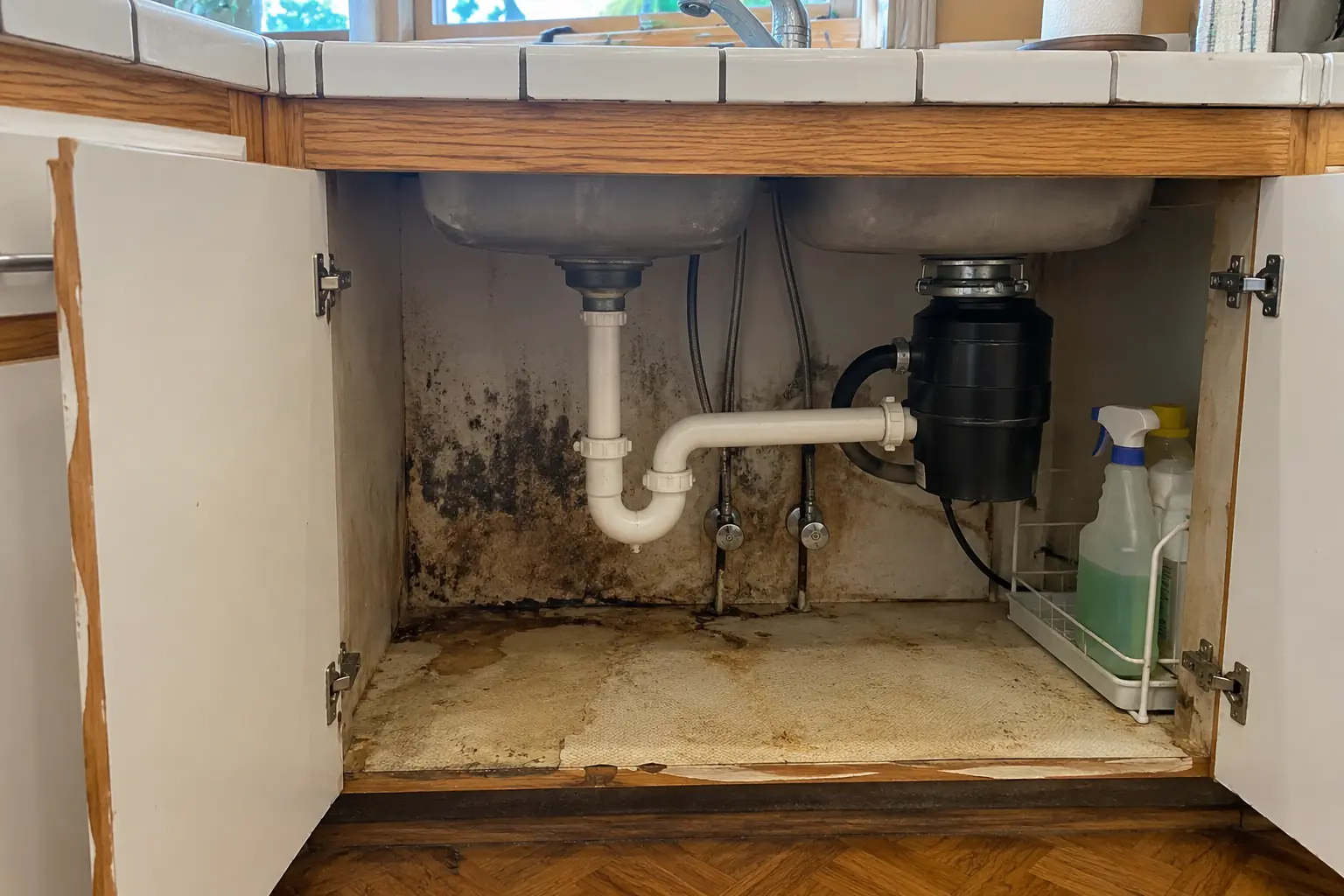
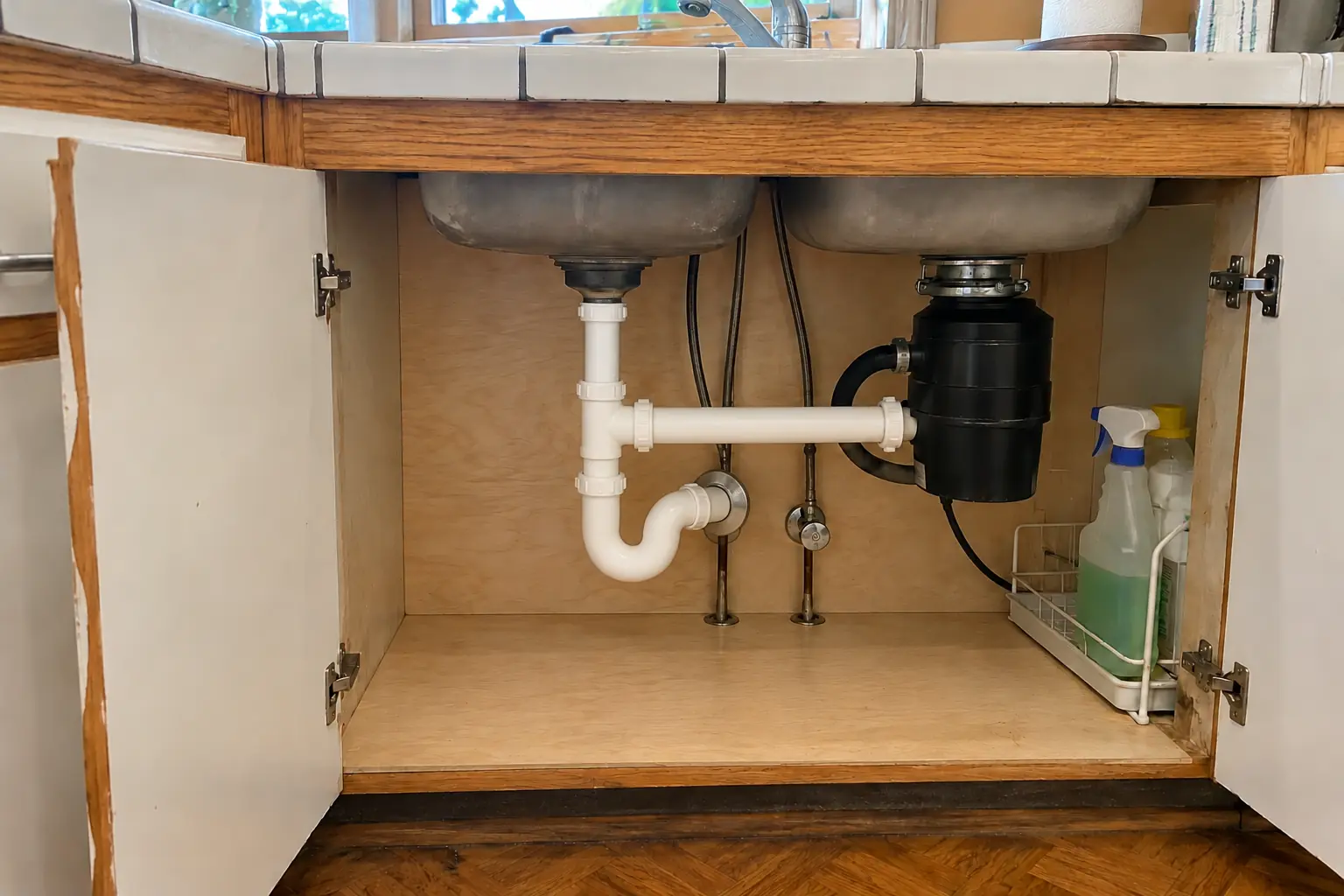
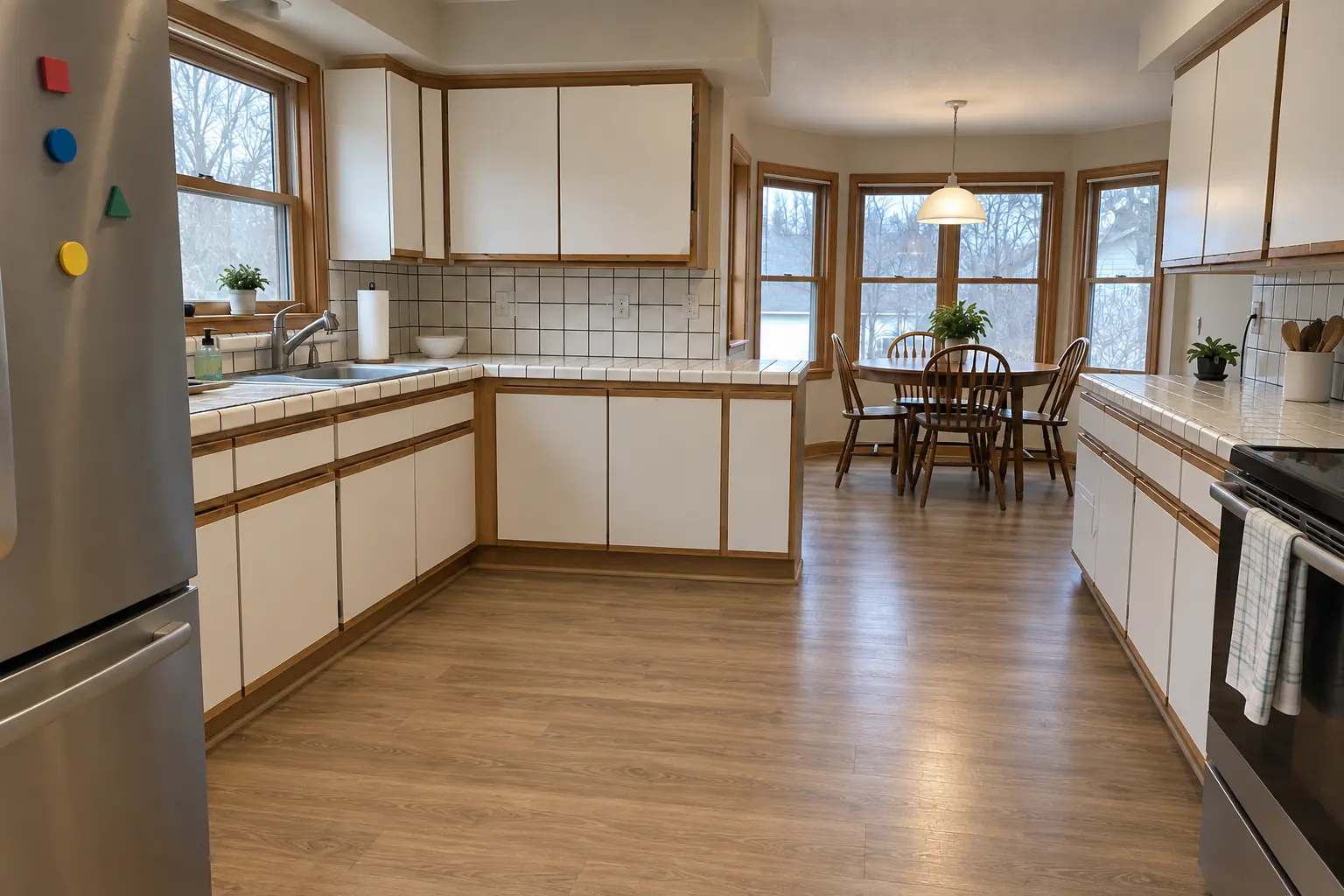
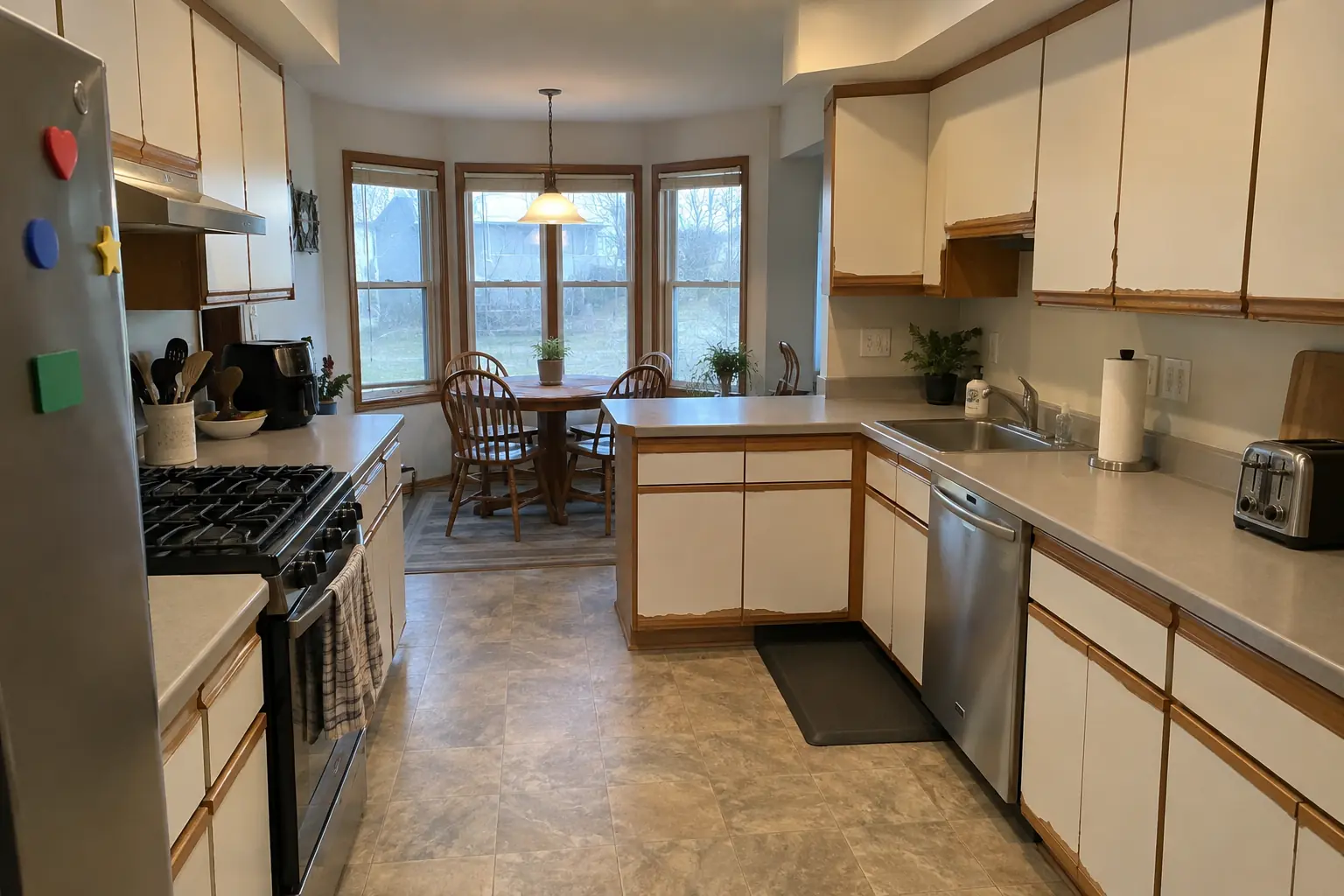
Kitchen Mold Remediation project in Geneva, beforeBefore
Kitchen Mold Remediation project in Geneva, afterAfter

Geneva kitchen, 1990s two-story colonial: kitchen mold remediation

A 1990s two-story colonial near Mill Creek, a typical kitchen for Geneva. Before: white double sink and white thermofoil cabinets peeling at the edges, oak trim. The reason for the call: a swollen, spotted cabinet floor under the sink. The result: the sink cabinet cleaned and dried, a new back panel and cabinet floor installed and the drain leak fixed. On site this meant containment, removing affected porous materials, plus drying.

Kitchen Mold Remediation in Geneva →
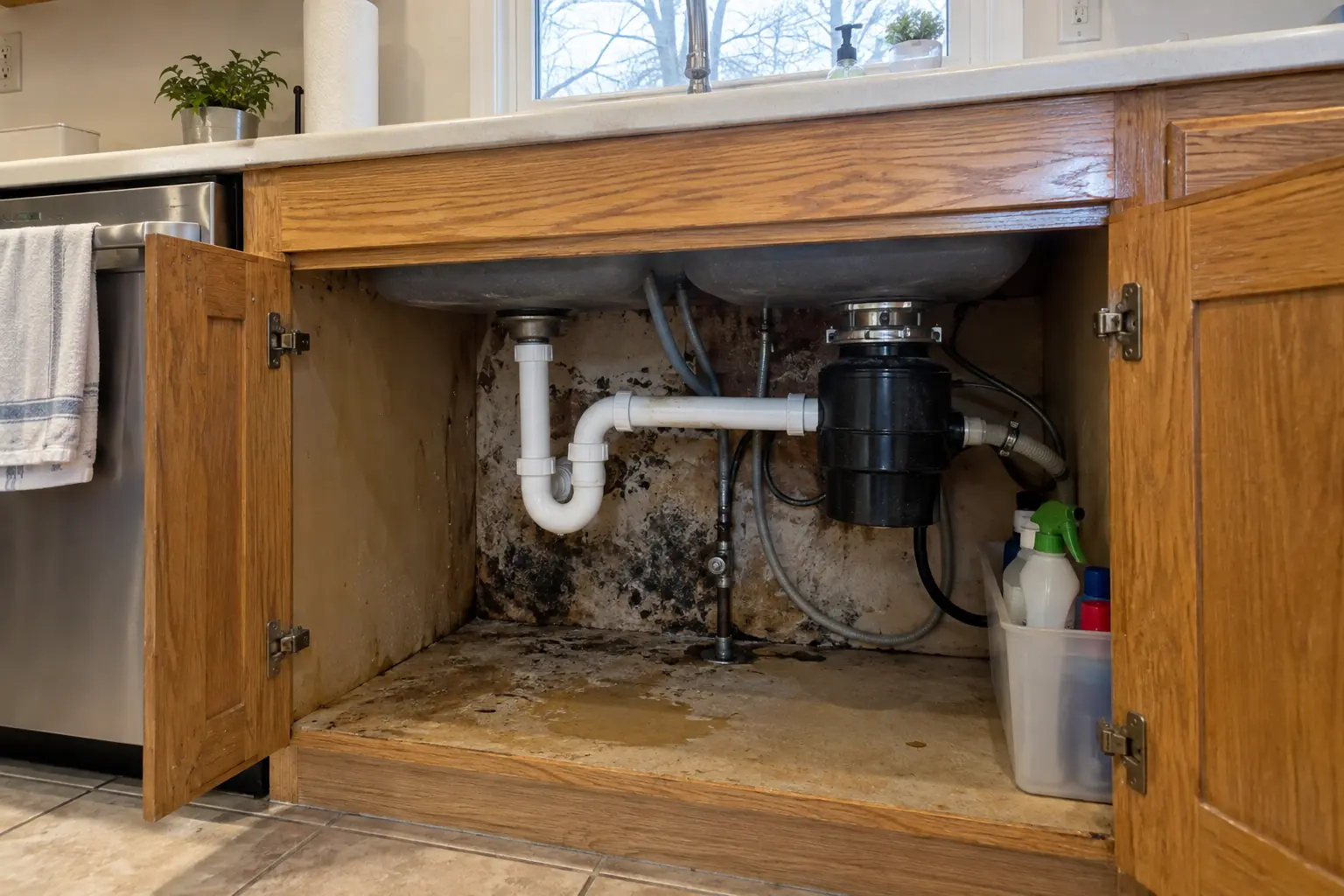
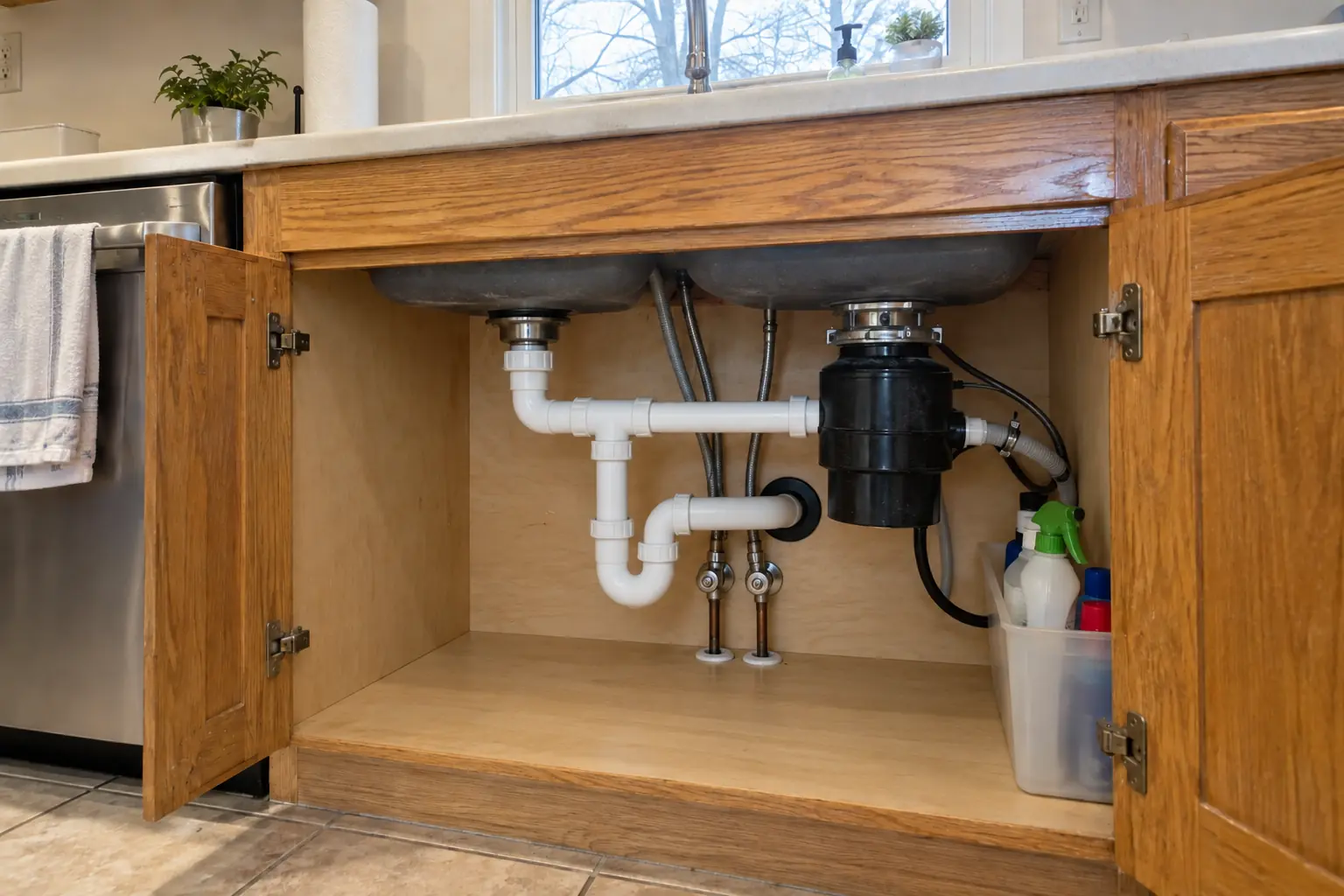
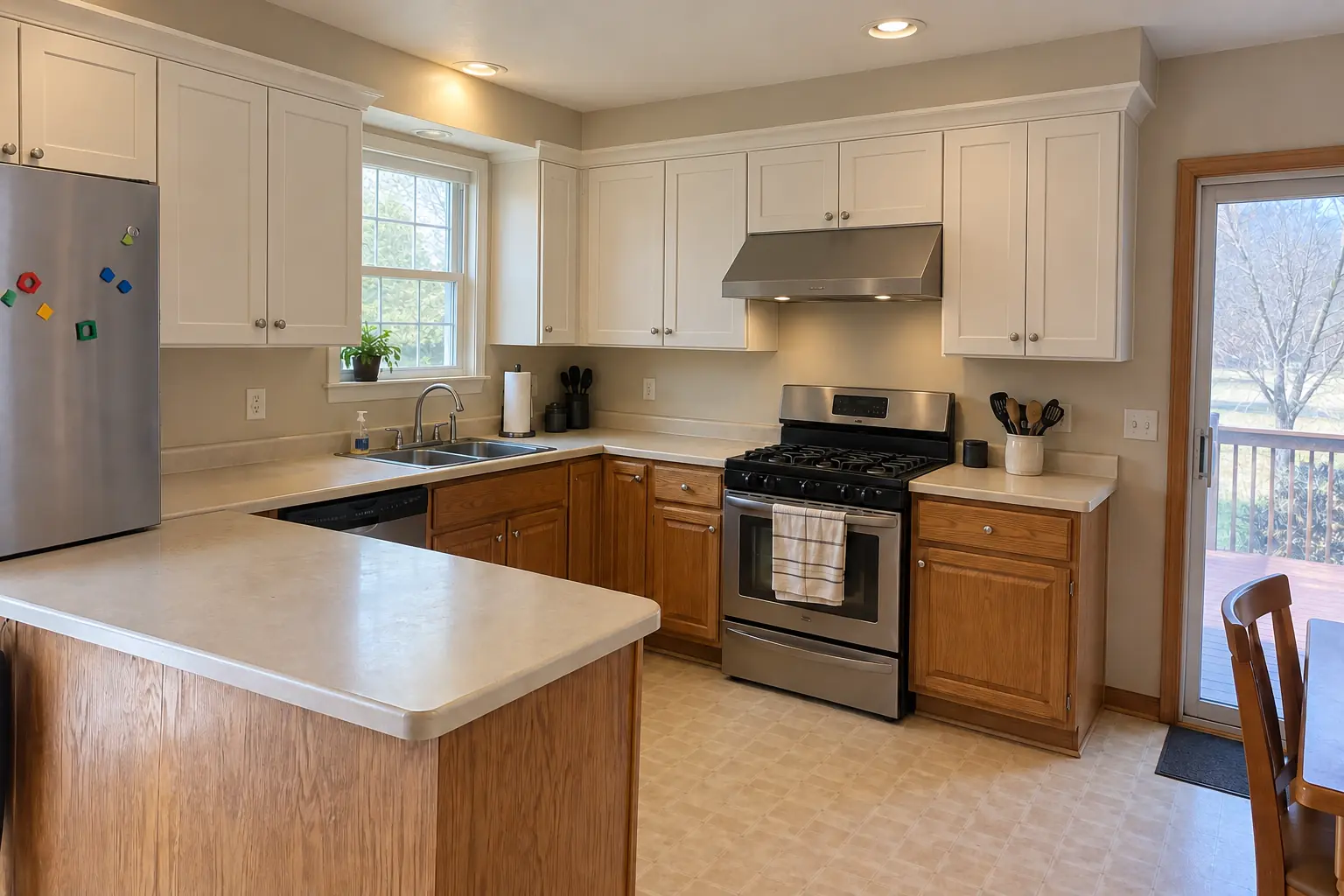
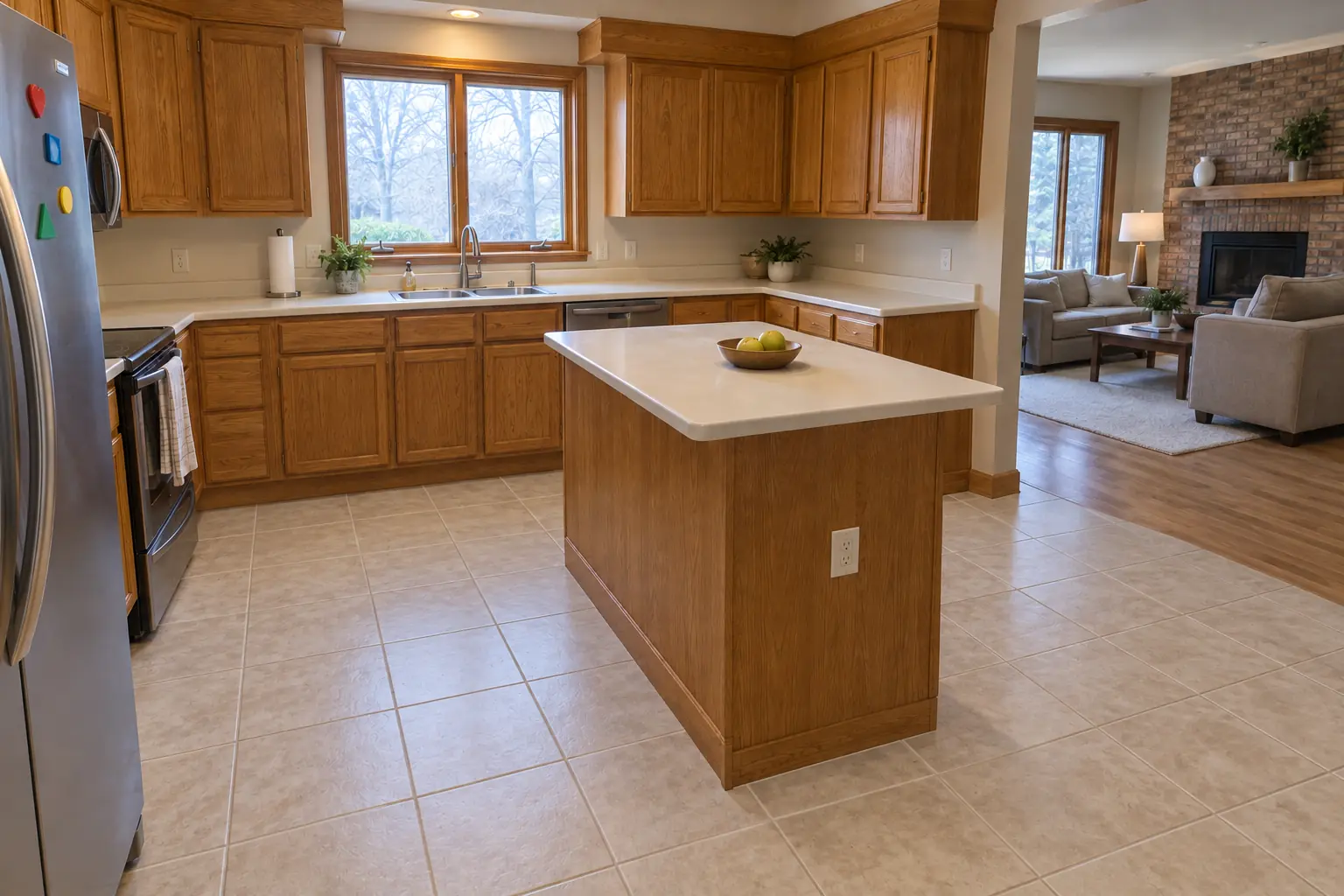
Kitchen Mold Remediation project in St. Charles, beforeBefore
Kitchen Mold Remediation project in St. Charles, afterAfter

St. Charles kitchen, 1990s two-story colonial: kitchen mold remediation

This one is a 1990s two-story colonial in St. Charles. What we started with: solid-surface integrated sink and golden-oak cabinets with oak soffits above. What bothered the owners most: a musty smell that wouldn't go away. After: the sink cabinet cleaned and dried, a new back panel and cabinet floor installed and the drain leak fixed. On site this meant containment, removing affected porous materials, plus drying.

Kitchen Mold Remediation in St. Charles →
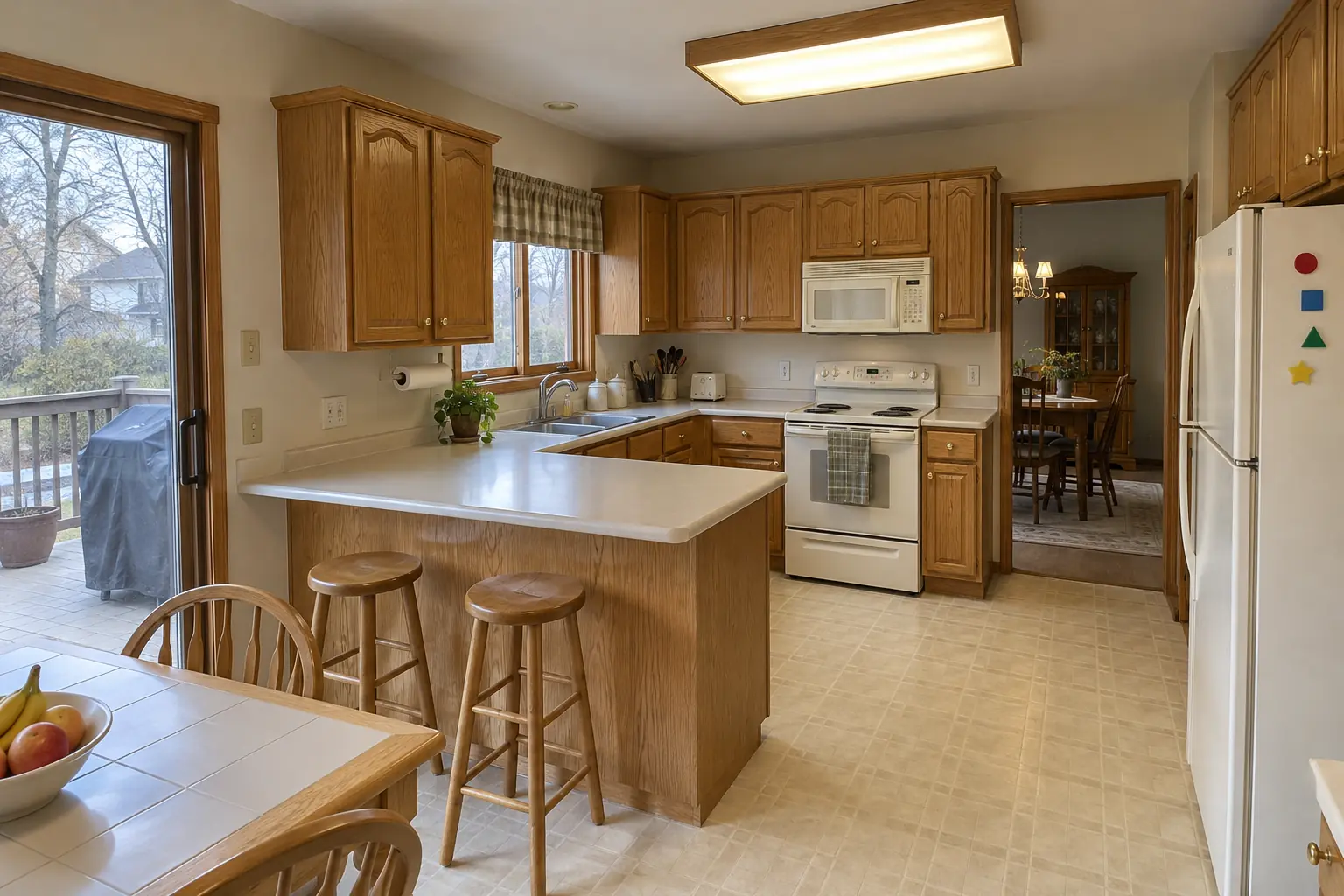
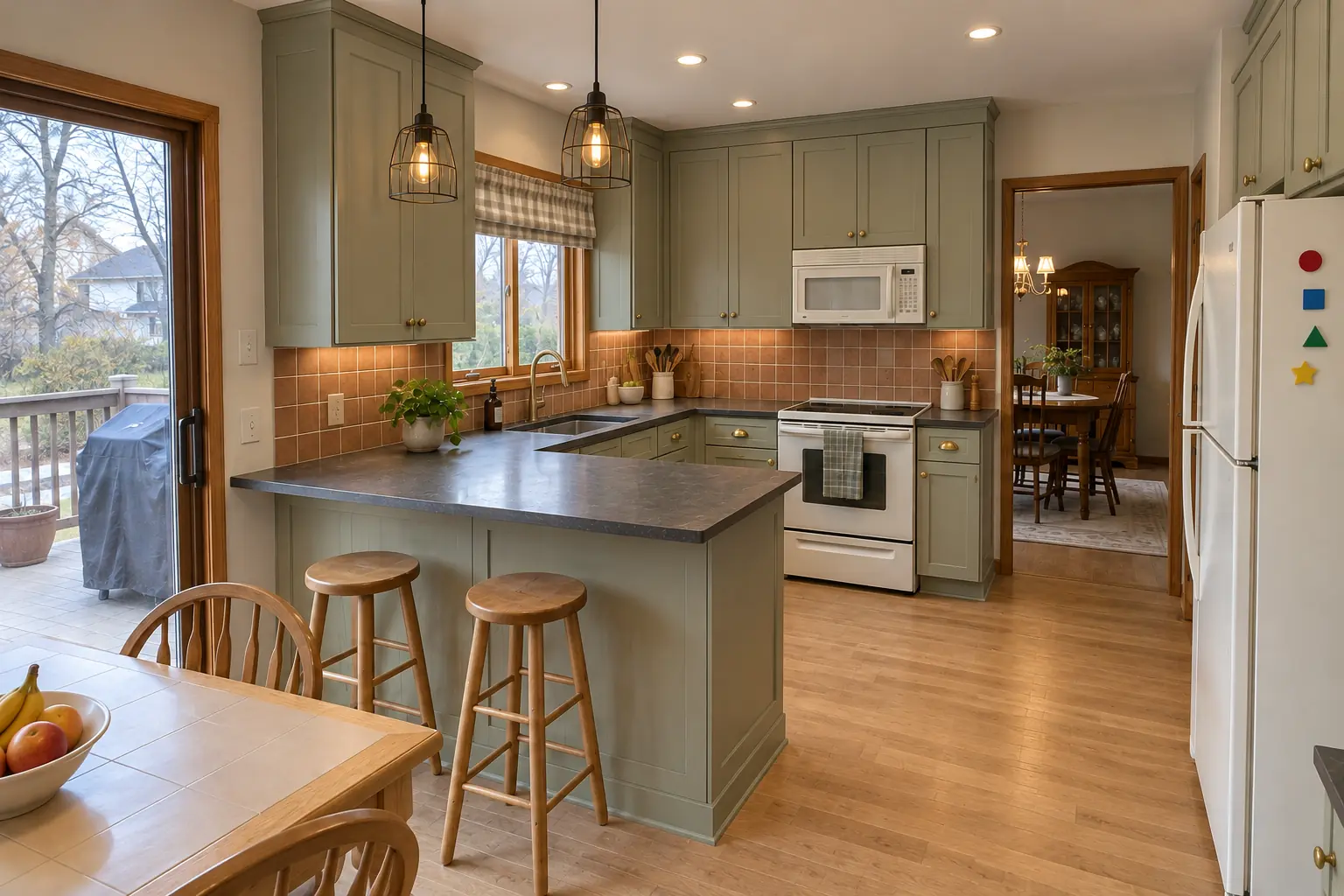
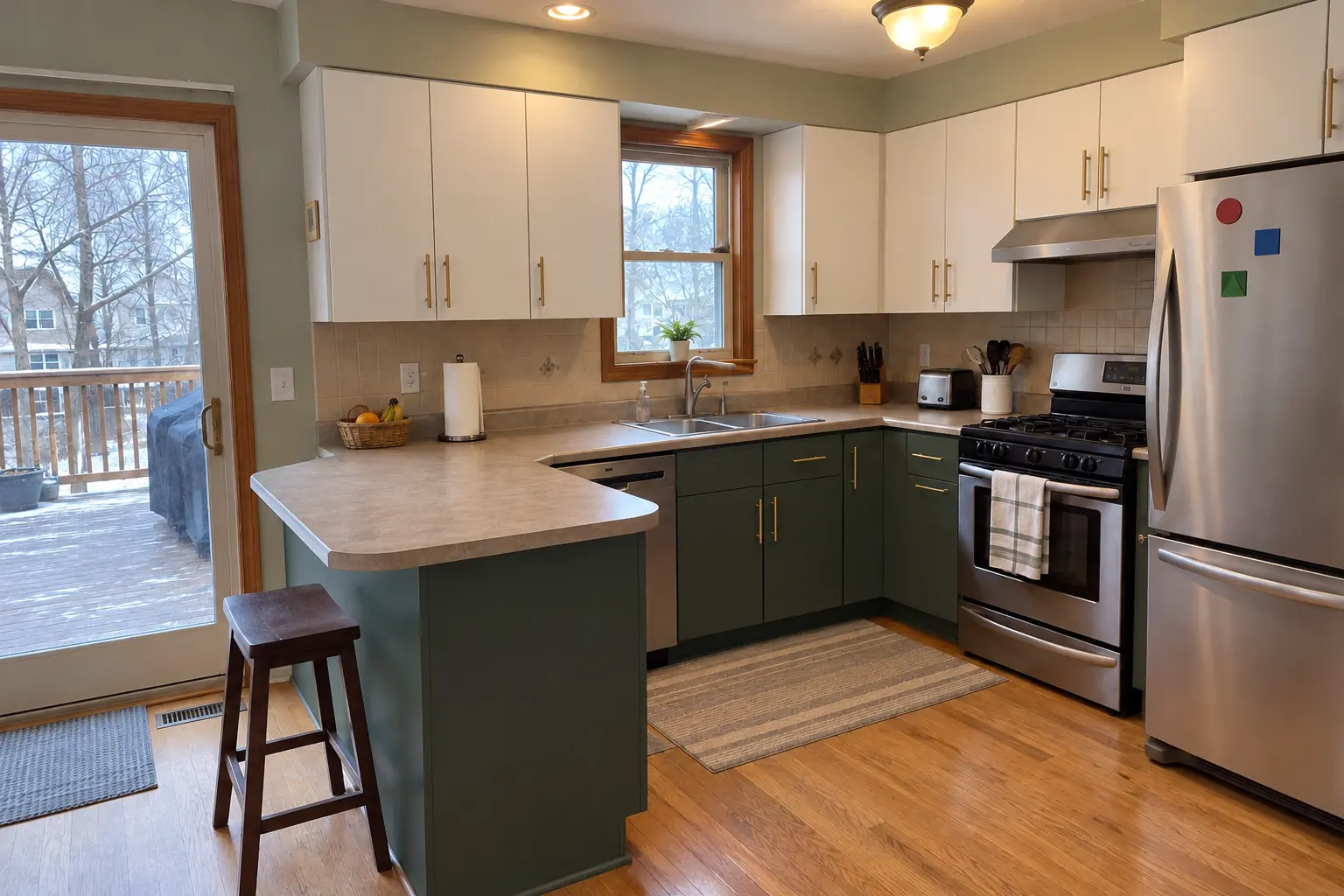
Kitchen Remodeling project near Batavia, beforeBefore
Kitchen Remodeling project near Batavia, afterAfter

Kitchen Remodeling in a 1990s two-story colonial, Batavia

What changed: cabinets in pale sage with unlacquered brass knobs and cup pulls, charcoal concrete-look quartz counters, a terracotta-look square tile backsplash, light oak hardwood flooring and black cage pendants and slim recessed lights.

Kitchen Remodeling in Batavia →
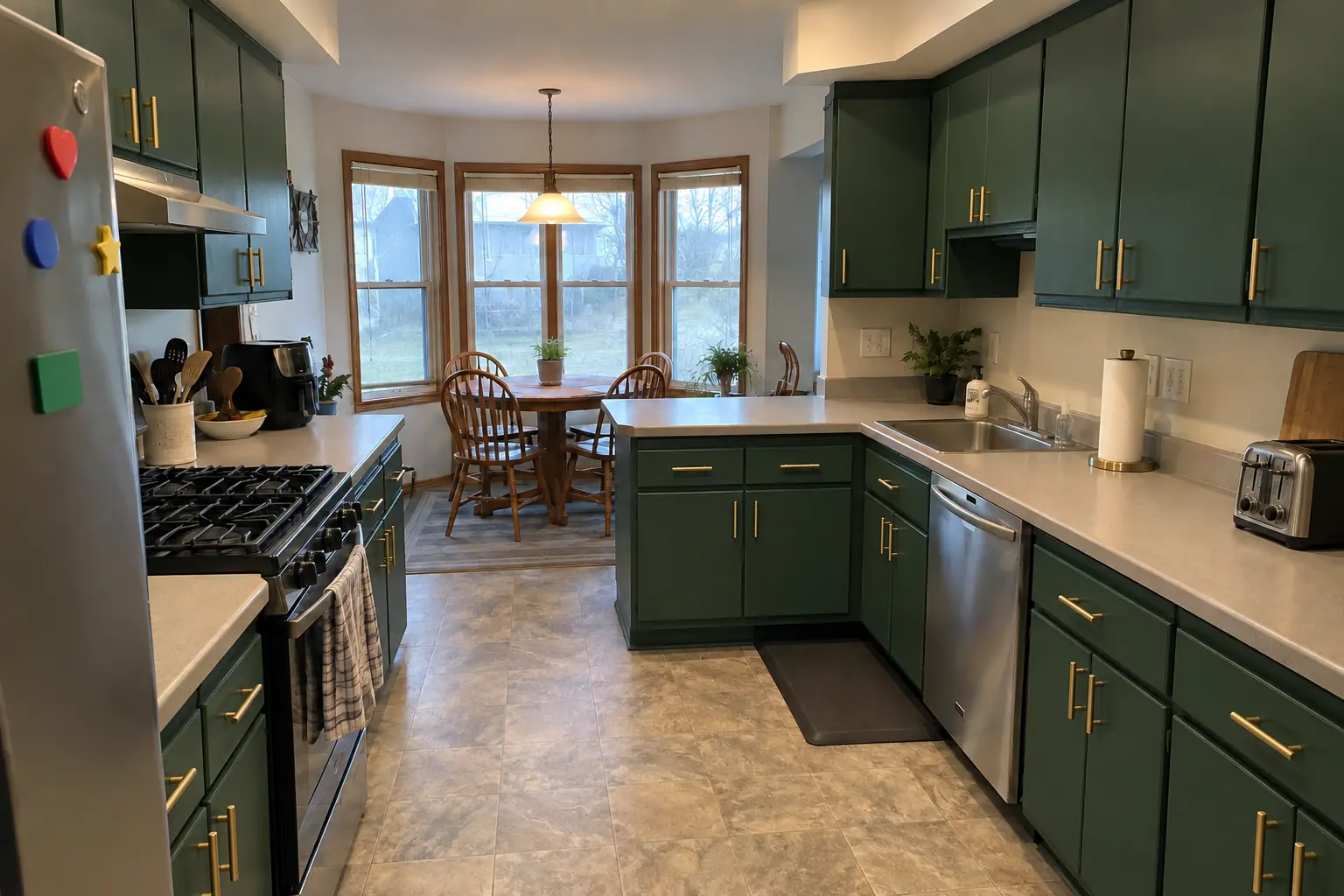
Kitchen Cabinet Painting project near Batavia, beforeBefore
Kitchen Cabinet Painting project near Batavia, afterAfter

Kitchen Cabinet Painting in a 1980s two-story, Batavia

The same doors sprayed in forest green, new satin brass pulls; counters and floor stayed as they were.

Kitchen Cabinet Painting in Batavia →

How restoration goes

  1. InspectWe look at the mold, find the moisture source and measure how far it reaches.
  2. Fix the moistureThe leak or condensation is repaired before removal begins.
  3. Contain and removeContainment goes up, then moldy materials are removed and surfaces cleaned.
  4. Dry and rebuildWe confirm dryness, clean up and restore the cabinet, wall or floor.

Kitchen Mold Remediation questions from Batavia homeowners

Can I clean small mold spots myself?
EPA guidance says many small areas can be handled by a homeowner, and larger areas, roughly over 10 square feet, are better left to professionals. Either way, fix the moisture.
How long does kitchen mold remediation take?
It depends on the size and whether drying is needed. Rebuilding cabinets or drywall adds time.
What's the difference between mold removal and mold remediation?
The terms are often used the same way, but remediation covers the cause and the contained removal, not just the visible spots.
Do I need mold testing before remediation?
If you can see it and know why it's there, testing often isn't needed. For hidden mold, legal or sale questions, or peace of mind, hire an independent tester.
Can mold be removed without replacing my cabinets?
Often yes. Usually only the affected parts, like the sink base bottom or back panel, are replaced, and the rest of the kitchen stays.
Batavia building permit for kitchen mold remediation: where do I apply?
Permits go through City of Batavia Community & Economic Development - Building Division, phone 630-454-2700. When your scope needs one, we prepare the application and schedule the inspections.
Do I need a permit for kitchen mold remediation in Batavia?
It depends on the scope. Batavia's rule in short: Building permits are required for all construction; a Residential Alteration handout is available. We handle the permit when one is needed with City of Batavia Community & Economic Development - Building Division.
Do you work in my part of Batavia?
Yes. Our crews work across Batavia — ZIP 60510, 60539 — and nearby Geneva, St. Charles, West Chicago.

Working in Batavia

  • A lot of Batavia kitchens date from the 1990s. We know these layouts well and what is worth keeping.
  • Most Batavia homes are single-family. We protect floors and driveways and leave the site clean every day.
  • Live in the Downtown Historic District? Interior kitchen work is usually not reviewed. We check before anything touches the exterior.

ZIP 60510ZIP 60539

Kitchen Mold Remediation nearby

Planning a kitchen project in Batavia?

Call us — we'll check your ZIP, answer your questions and book an in-home estimate.
Call now (708) 400-7049
Call (708) 400-7049Callback