Serving Glenview & nearby Northbrook, Park Ridge

Commercial Kitchen Hood Installation in Glenview, IL

Type I and Type II exhaust hoods, grease duct, exhaust fans and makeup air installed for restaurants and food-service kitchens in Glenview.

  • Commercial kitchens across Glenview ZIP 60025, 60026, 60062
  • Nights, early mornings and closed days
  • Coordination with the fire and health inspectors

Prefer a callback?

Leave your number and a Glenview commercial hood installer will call you.

Hood and ventilation problems we solve for Glenview kitchens

A commercial hood is a system, not a box on the wall: the canopy, the welded grease duct, the roof fan, makeup air and a fire suppression system all have to work and pass inspection together. We install that system for restaurants, cafes, bakeries and institutional kitchens in Glenview, built to NFPA 96 and the village's mechanical code.

Inspector flagged the hood or duct

When the fire marshal or building inspector writes up the exhaust system, we read the notice, find the cause on site and correct it so the reinspection passes.

Duct too close to combustibles

In older buildings the grease duct often passes through a ceiling or wall without the required clearance or fire-rated protection. We reroute or enclose it to meet code.

School, church or daycare kitchen upgrade

A school or church kitchen that starts cooking real meals may need a Type I hood with suppression where a Type II used to be enough. We sort out which applies.

Dish area full of steam and heat

Condensation dripping from the ceiling near the dish machine means the steam has nowhere to go. A Type II condensate hood fixes it.

Grease dripping from the hood or fan

Grease running down the hood seams or out of the roof fan points to failed filters, leaking duct joints or a fan without proper grease containment. We find the source and seal it.

Taking over a space with a used hood

Reusing a hood left by a previous tenant can save time, but only if the size, duct and suppression suit your cooking. We assess it and list what needs upgrading.

Old hood with no fire suppression or an outdated system

A Type I hood over grease-producing equipment needs an approved suppression system. On older hoods without one, or with a system that no longer meets the current standard, we coordinate the upgrade with a licensed suppression contractor.

New restaurant needs a hood before opening

Before the first service, the plan reviewers and the fire inspector will look at the hood, the duct and the suppression system. We design and install all of it so the opening date isn't held up by ventilation.
What we handle on site

  • Permit drawings and plan reviewWe prepare the permit set and answer plan review comments from the building and fire officials.
  • Roof penetration and curbA cut through the roof, a fan curb and flashing done so the roof stays watertight.
  • Hood hangingWe set the hood on threaded rod or brackets anchored to the structure, square to the cook line.
  • Exhaust fan installationRoof fan set, hinged for cleaning access and fitted with a grease collection box.
  • Makeup airReplacement air sized to the exhaust so the kitchen stays near neutral pressure.
  • Start-up and airflow checkFans and makeup air started, balanced and checked so the hood captures smoke at full cooking.
  • Inspections and closeoutFinal inspections attended, corrections made and the permit closed.

Equipment and options

Type II hoodUsed where the load is steam or heat, not grease; it can use lighter duct.
Baffle filtersRemovable baffle filters that slide out for washing; mesh filters are not accepted on grease hoods.
Upblast exhaust fanThe common choice for grease exhaust, hinged so the cleaning crew can reach the wheel and duct.
Stainless and galvanized constructionExposed hoods are usually stainless steel; concealed parts may be galvanized where the standard allows.
Type I hoodRequired over cooking that makes grease-laden vapor; it connects to a welded grease duct.

Before and after: kitchens near Glenview

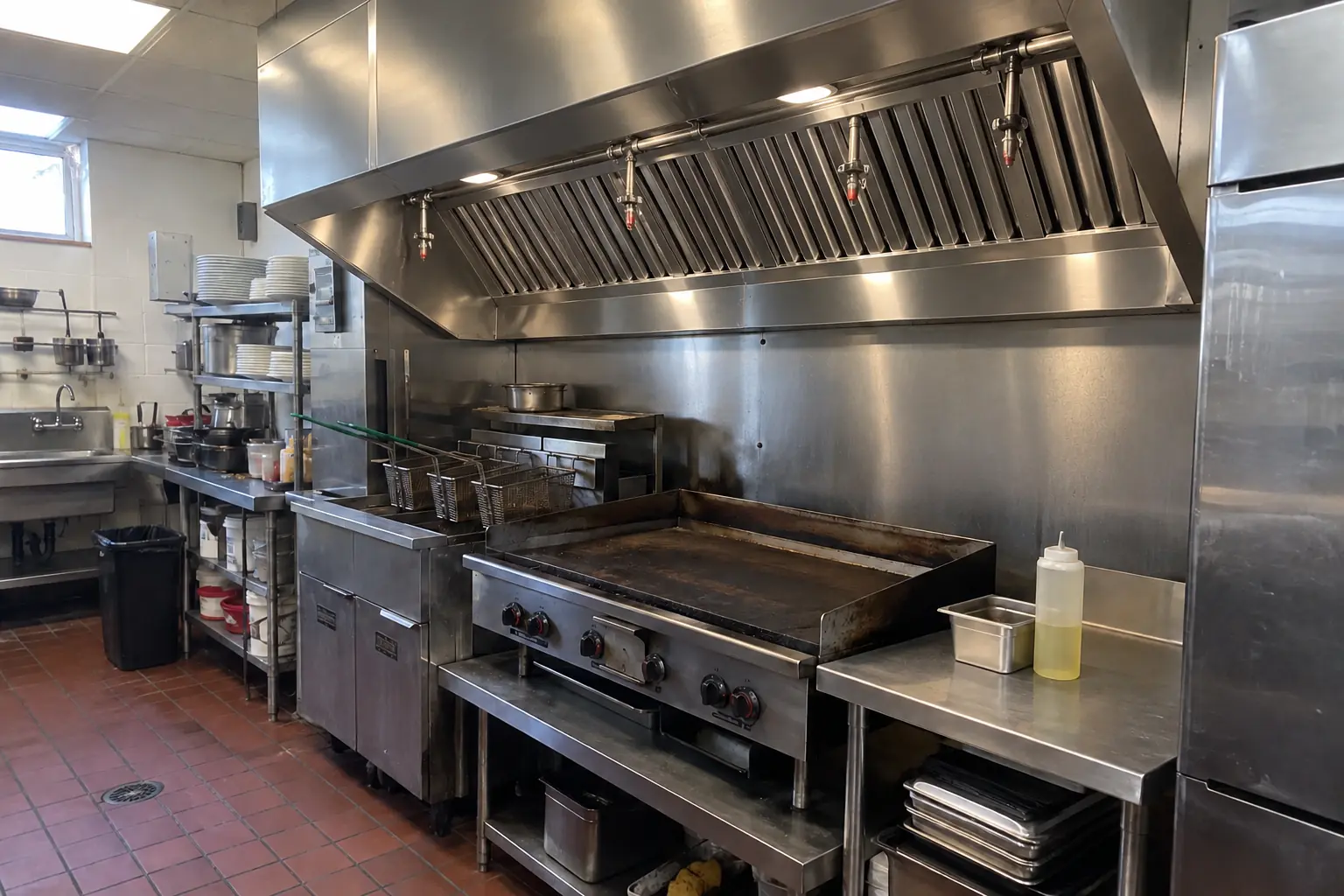
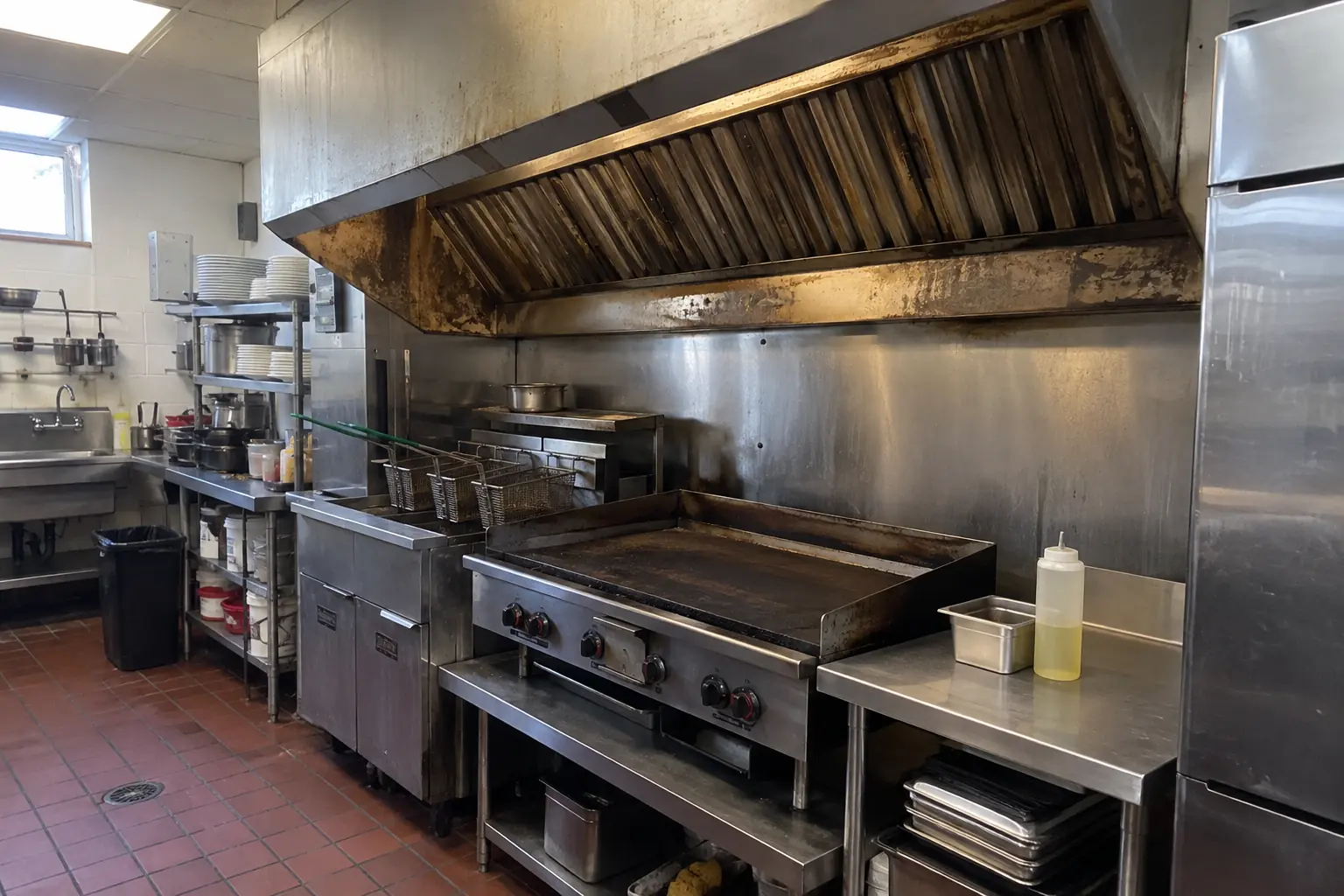
Commercial Kitchen Hood Installation in a commercial kitchen — beforeBefore
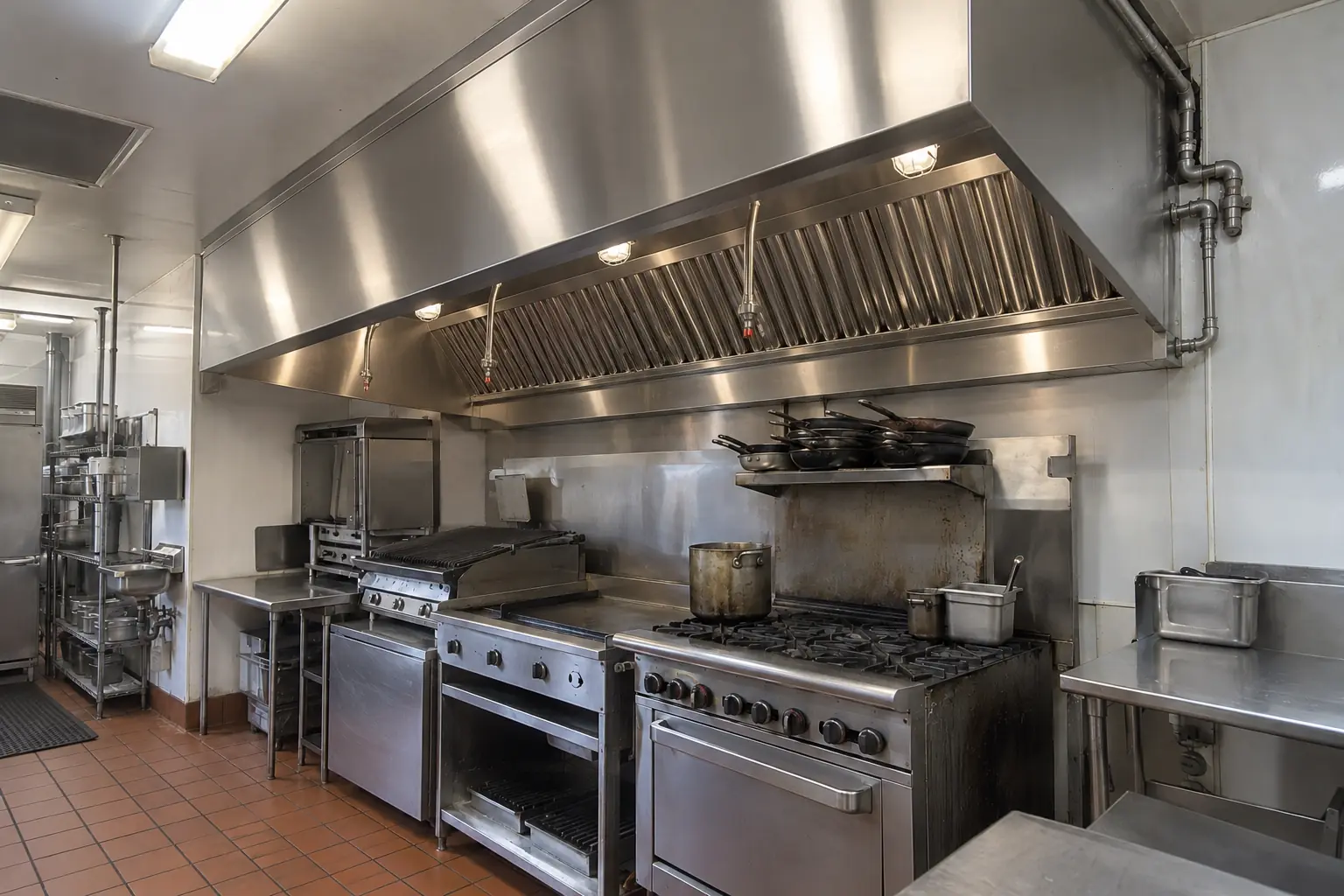
Commercial Kitchen Hood Installation in a commercial kitchen — installedInstalled
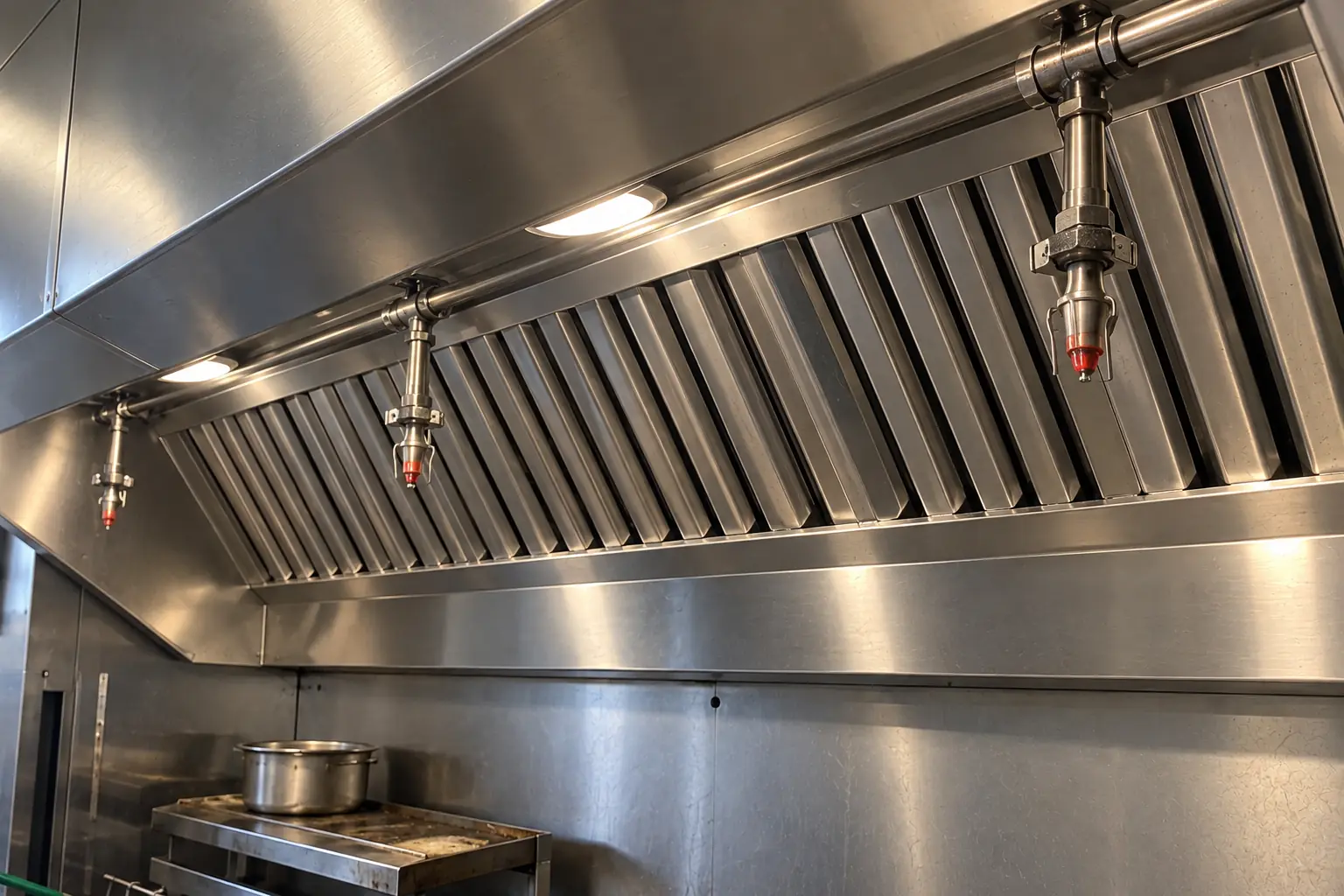
Commercial Kitchen Hood Installation in a commercial kitchen — detailDetail

Before and after: a commercial kitchen in Glenview

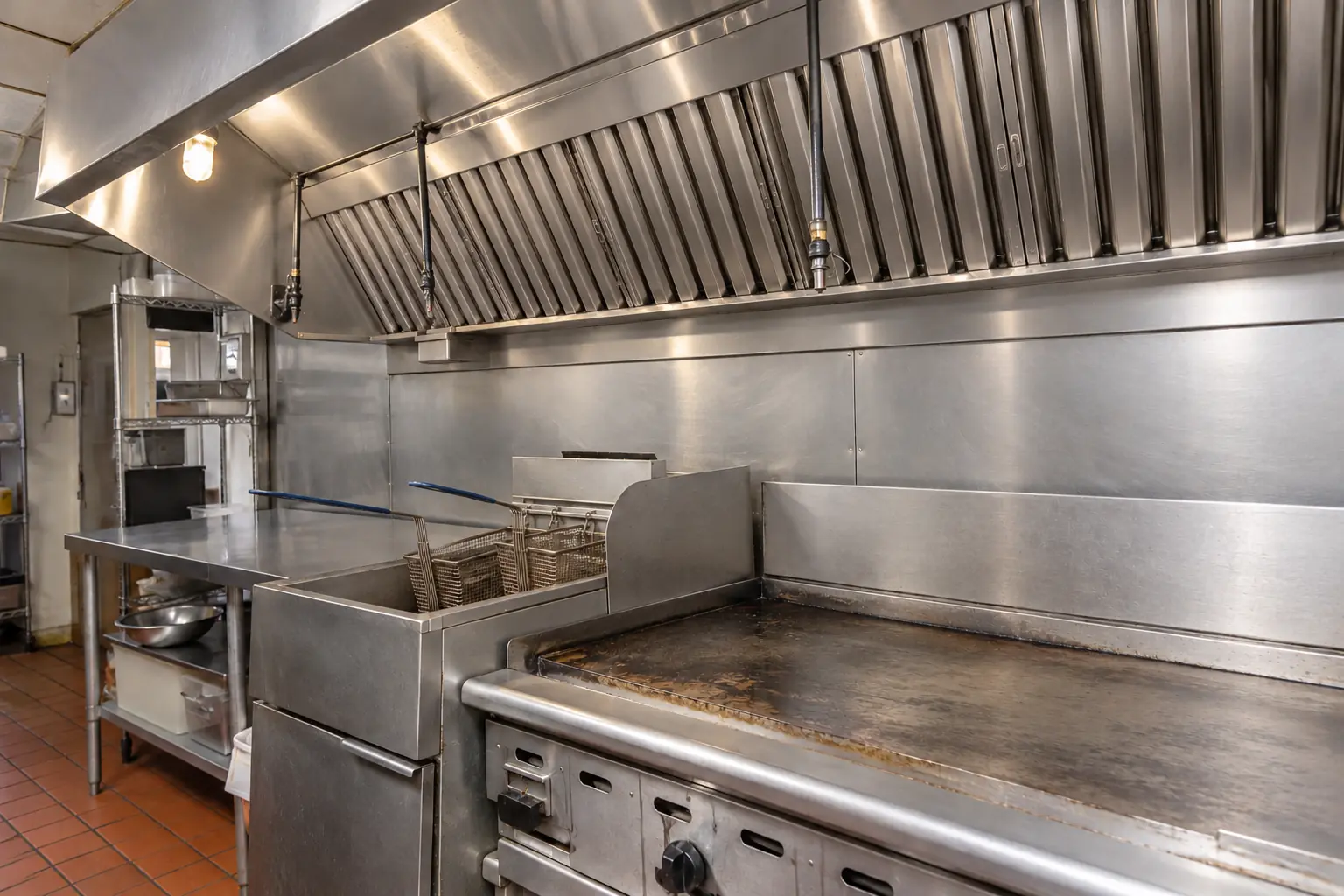
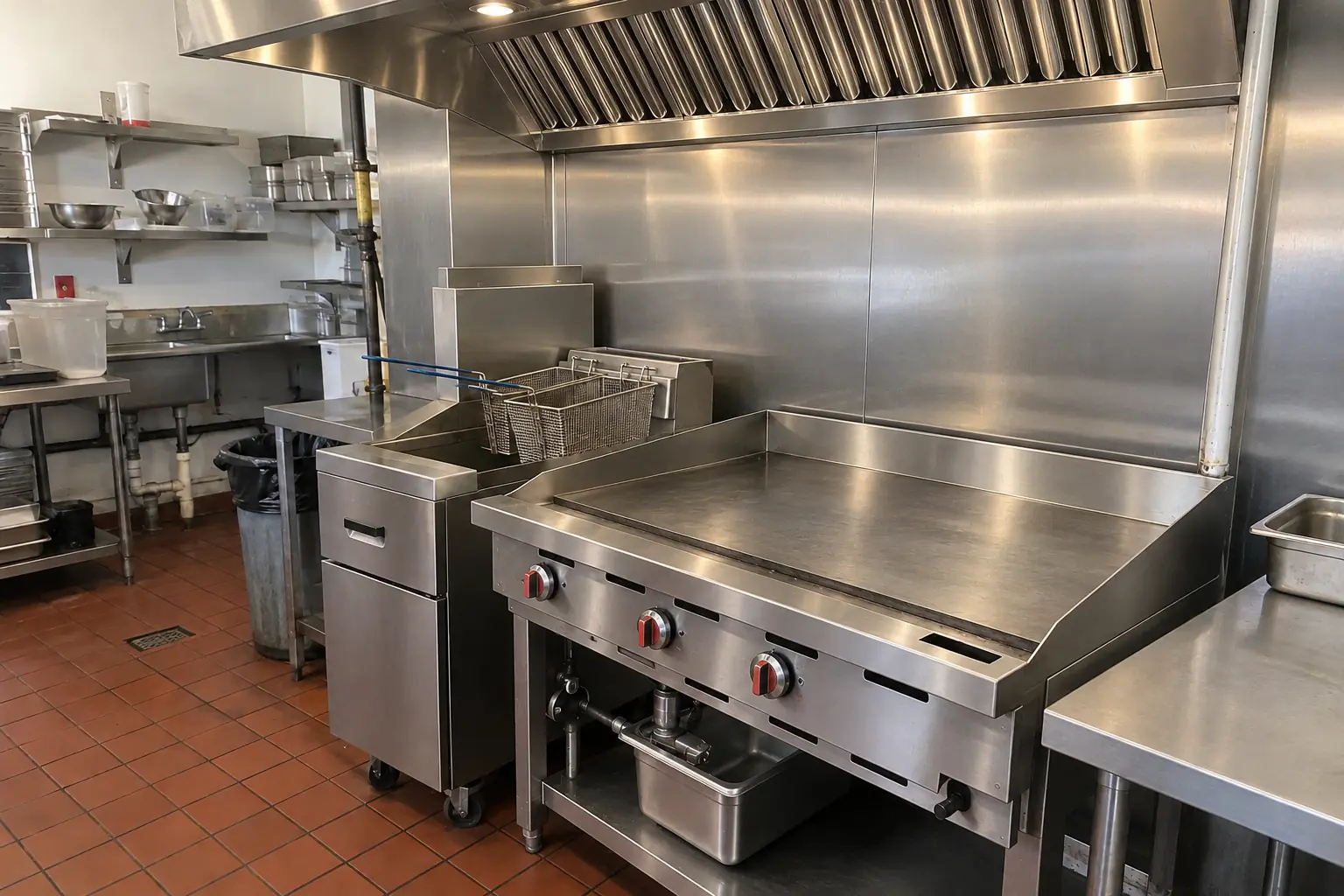
The site: a commercial kitchen near The Grove. The reason for the call: an old, greasy hood that no longer covered the cook line. The result: a new stainless type I exhaust hood with fire suppression nozzles over the cook line. On site this meant permit drawings and plan review, exhaust fan installation, plus inspections and closeout.
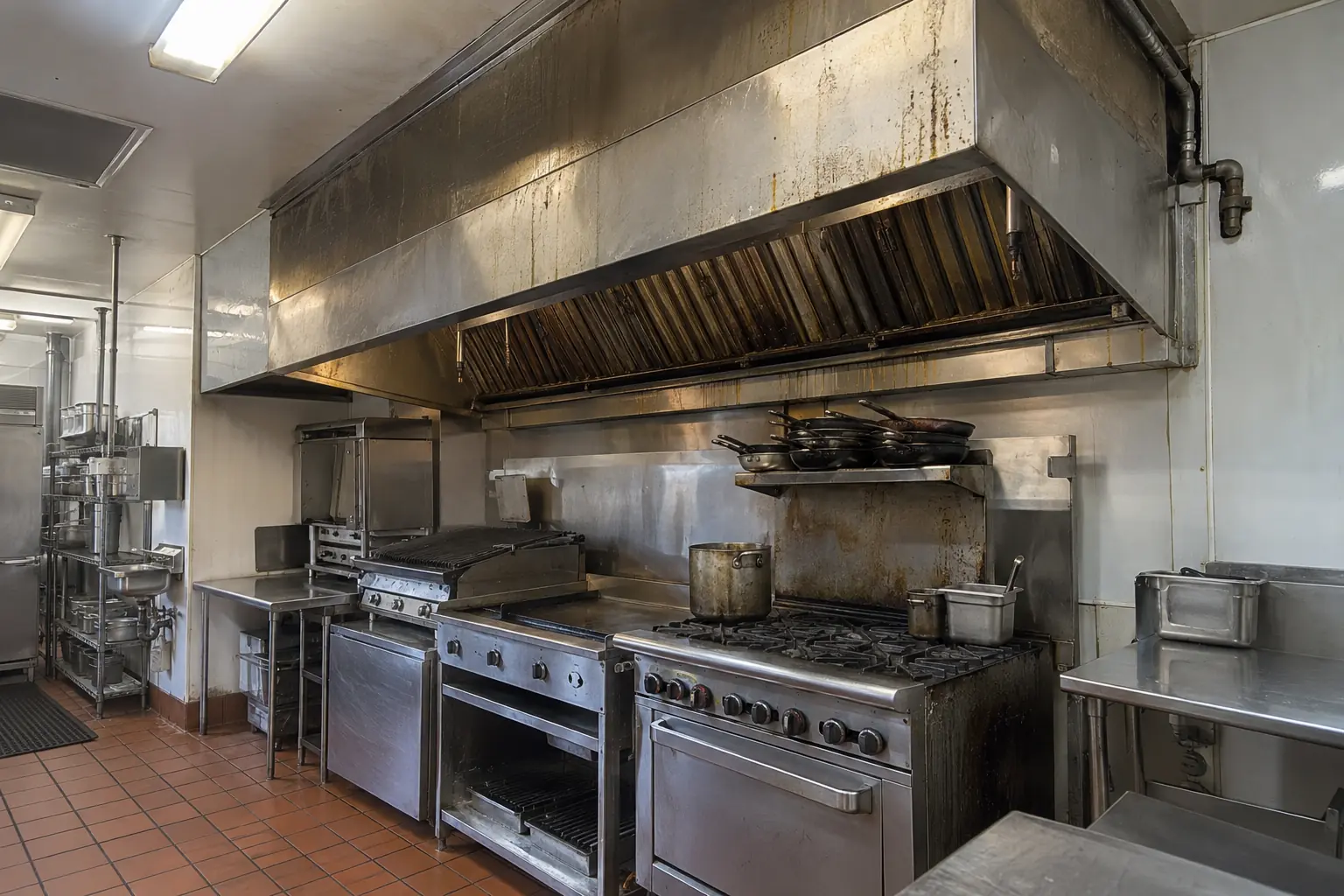
Commercial Kitchen Hood Installation project in Northbrook, beforeBefore
Commercial Kitchen Hood Installation project in Northbrook, afterAfter

Before and after: a bakery kitchen in Northbrook

This one is a bakery kitchen near Techny. What bothered the owners most: an exhaust system that had been written up at inspection. Finished kitchen: a new stainless type I exhaust hood with fire suppression nozzles over the cook line. The job covered permit drawings and plan review, makeup air, plus start-up and airflow check.

Commercial Kitchen Hood Installation in Northbrook →
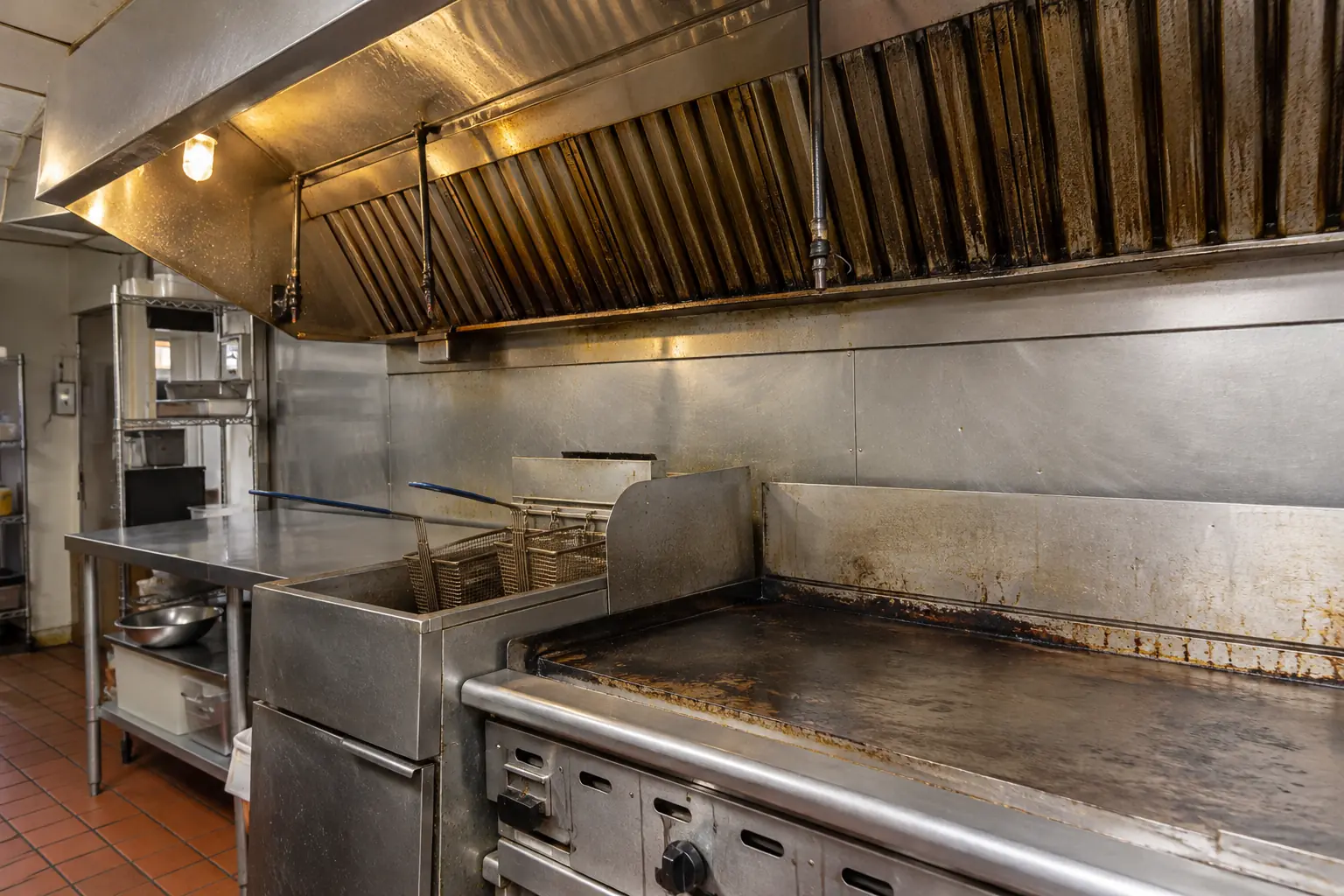
Commercial Hood Cleaning project near Glenview, beforeBefore
Commercial Hood Cleaning project near Glenview, afterAfter

Commercial Hood Cleaning in a bakery kitchen, Glenview

The same hood degreased to bare stainless with an inspection sticker area.

Commercial Hood Cleaning in Glenview →
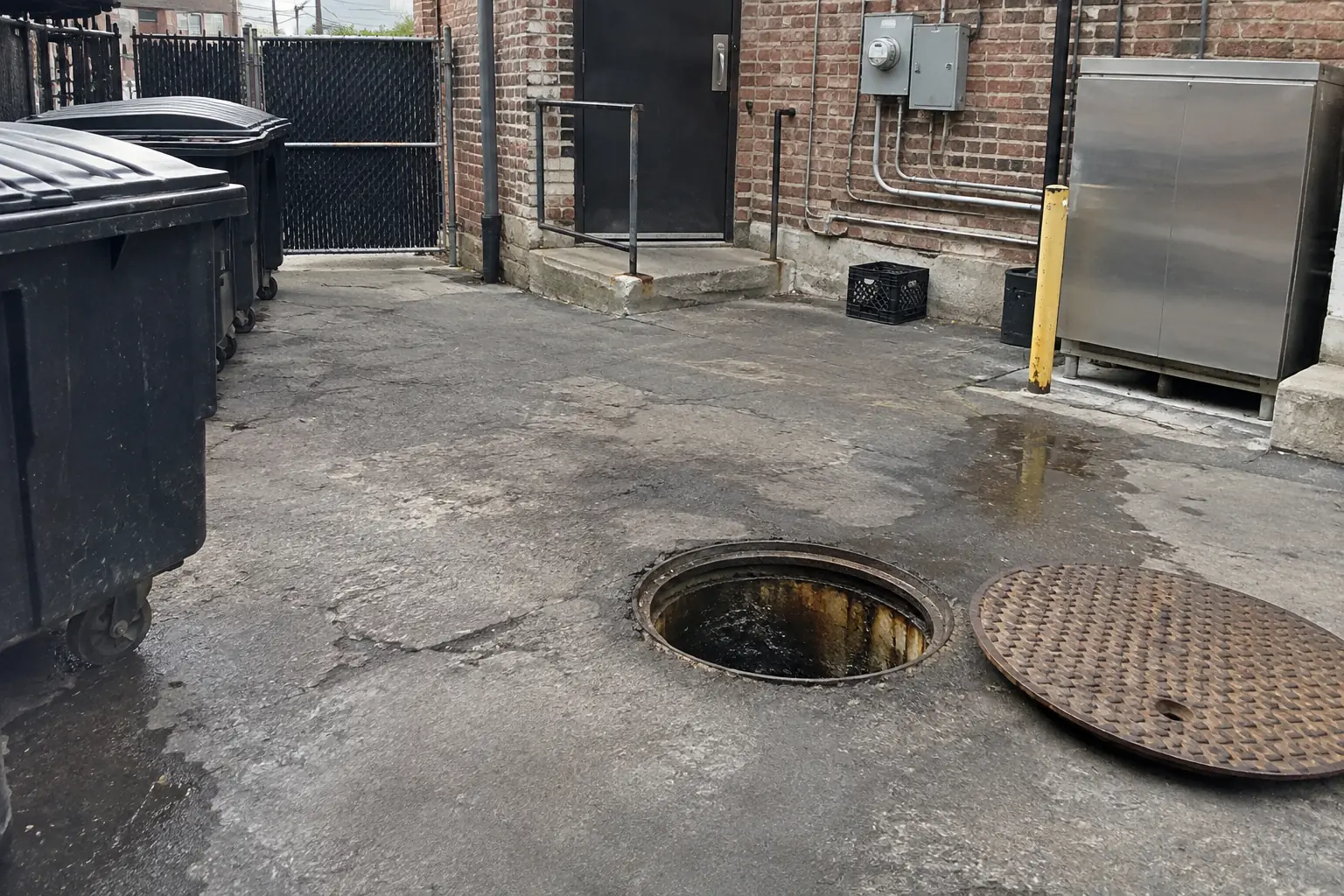
Grease Trap Installation & Cleaning project near Glenview, beforeBefore
Grease Trap Installation & Cleaning project near Glenview, afterAfter

Glenview kitchen, restaurant kitchen: grease trap installation & cleaning

What changed: the same interceptor pumped and the lid closed, service hose coiled on the truck.

Grease Trap Installation & Cleaning in Glenview →
Kitchen Remodeling project near Glenview, beforeBefore
Kitchen Remodeling project near Glenview, afterAfter

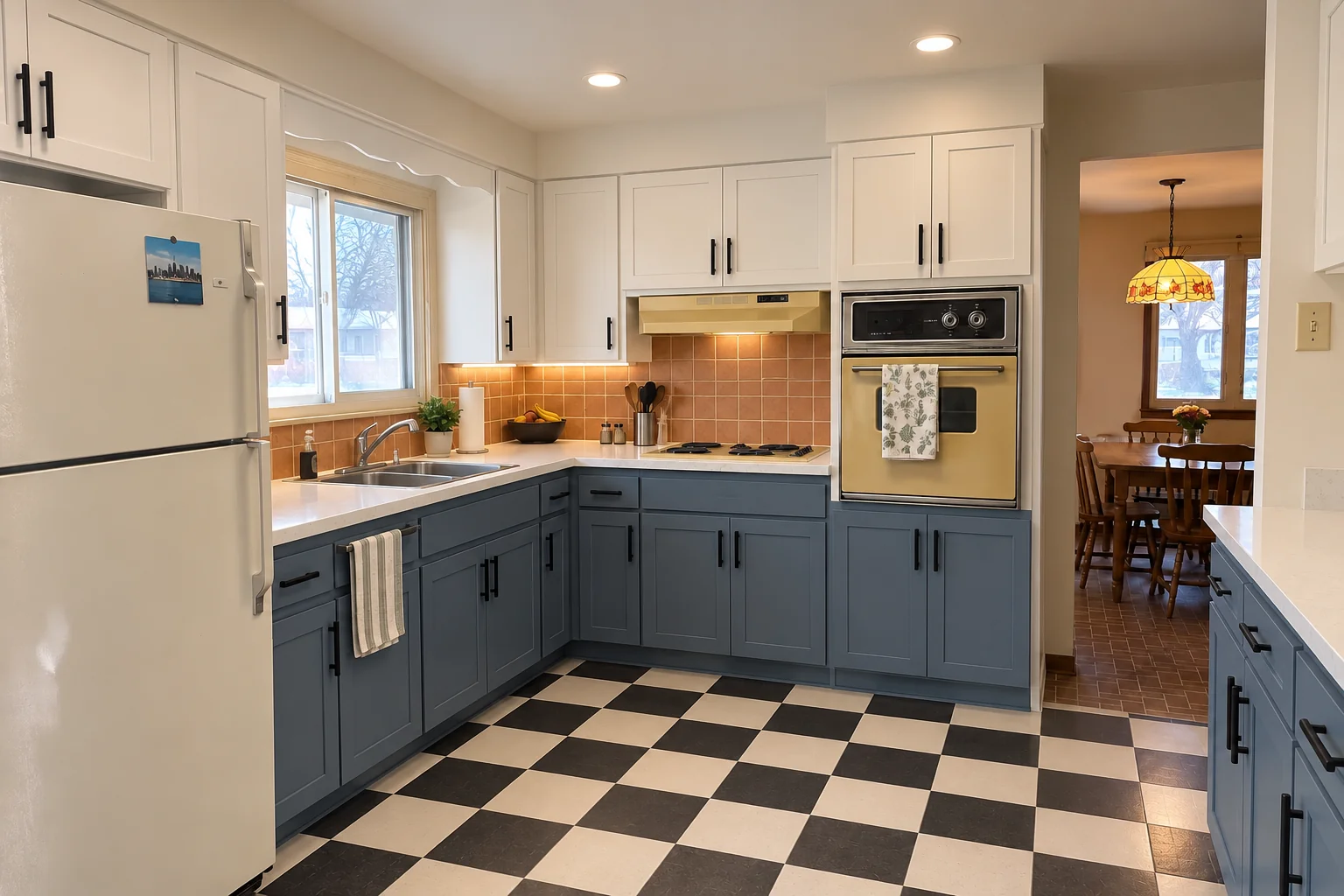
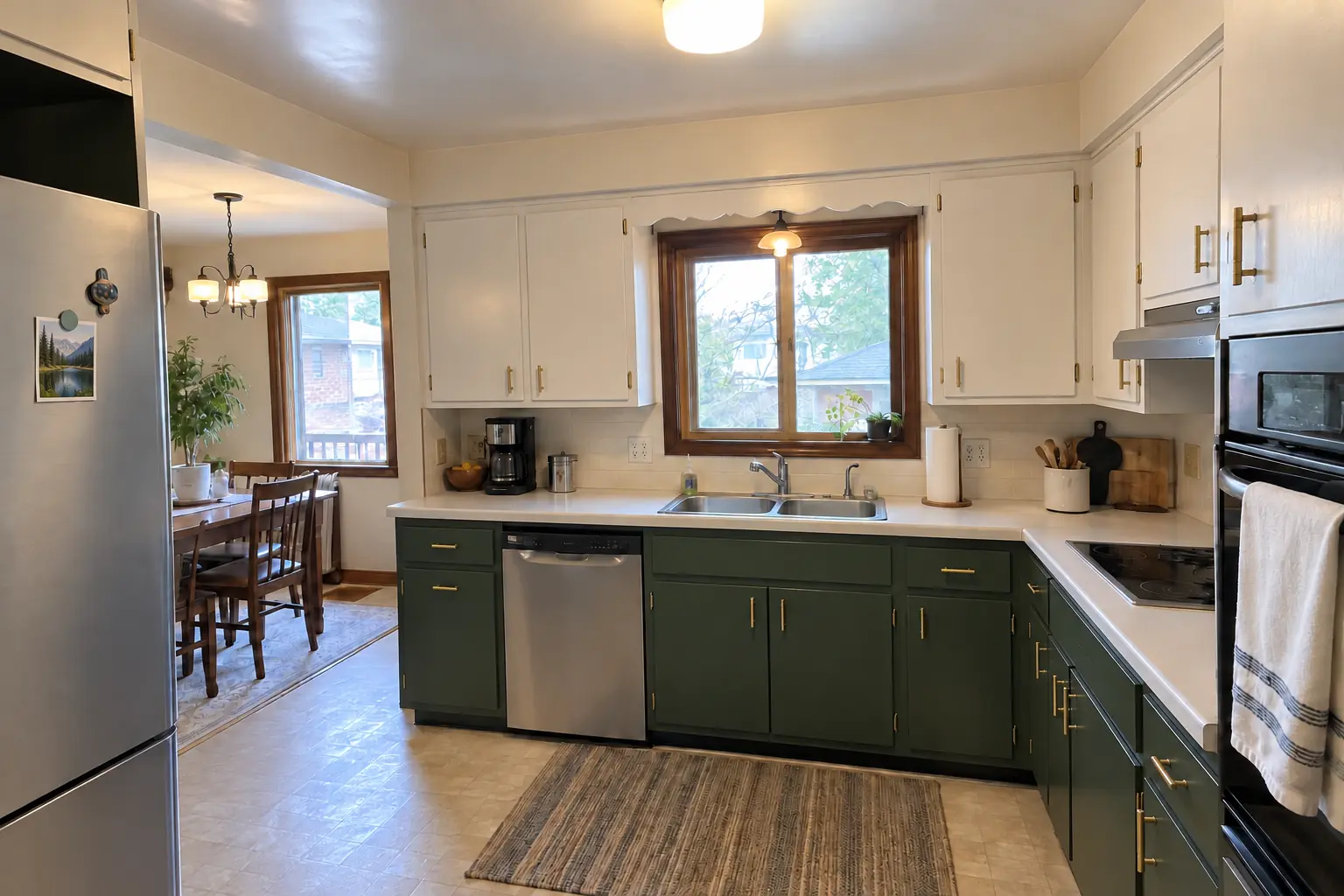
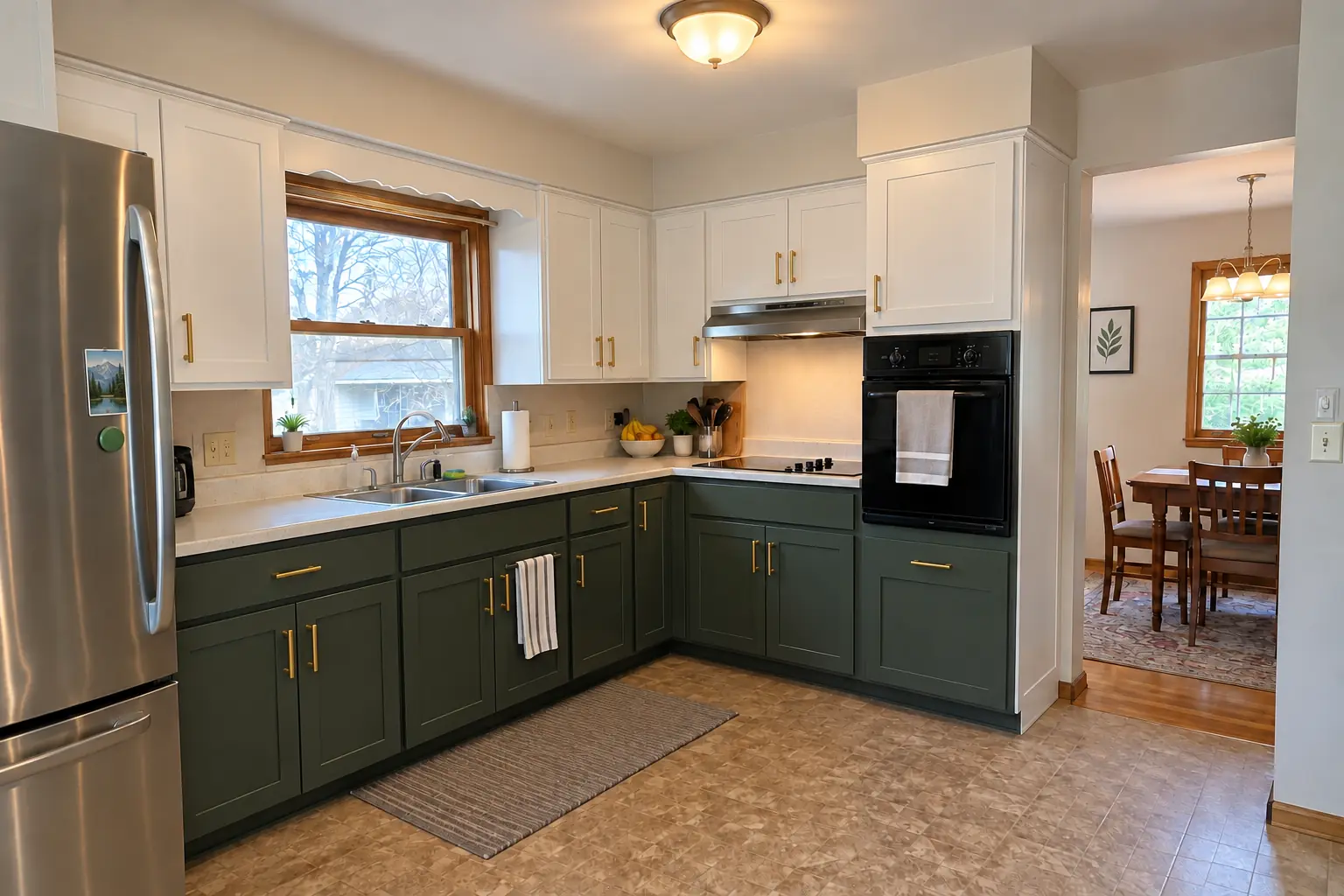
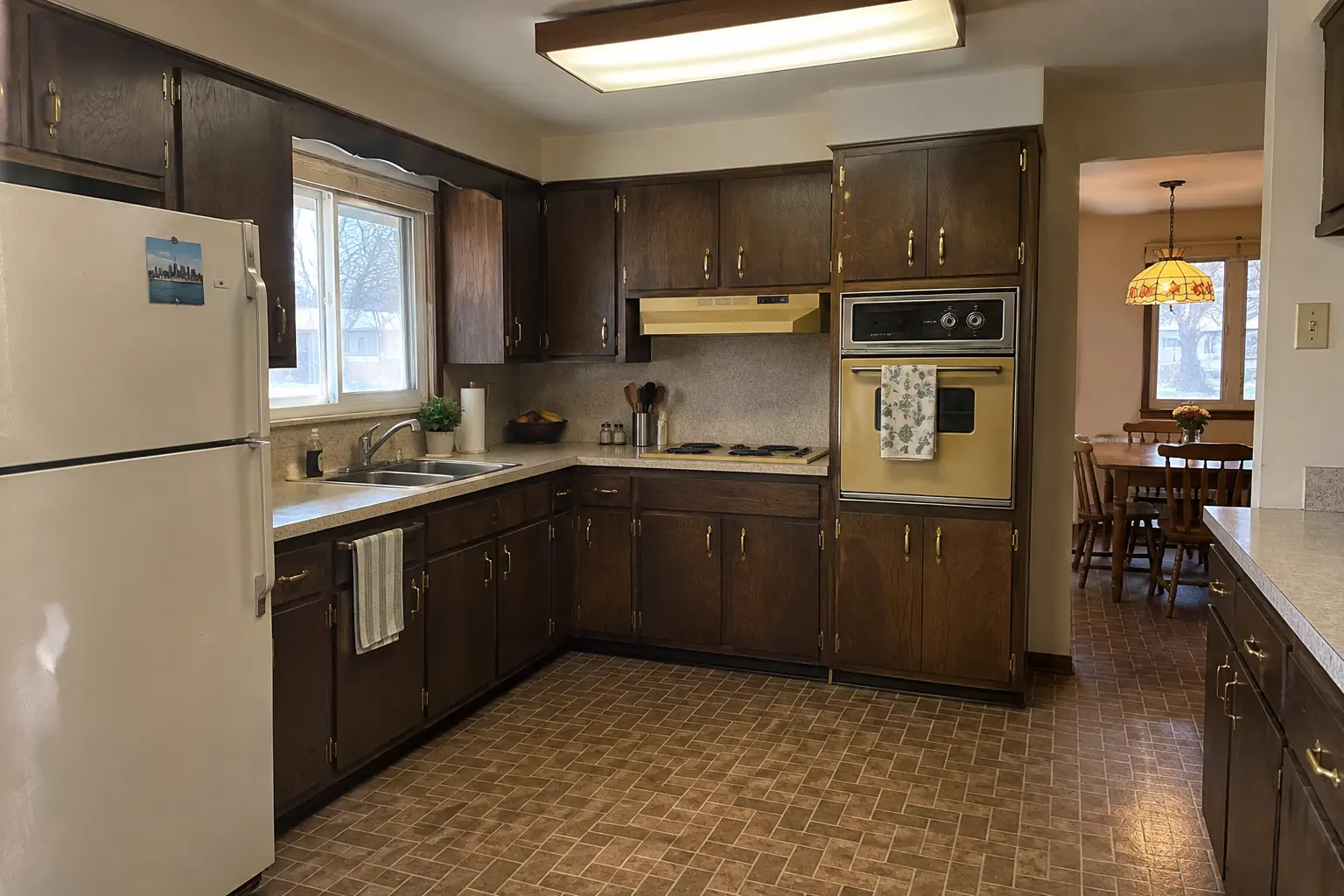
Glenview kitchen, 1950s ranch: kitchen remodeling

Finished: cabinets in white uppers and dusty blue lowers with matte black pulls, bright white quartz counters, a terracotta-look square tile backsplash, black-and-white checkerboard tile flooring and recessed lights and under-cabinet LED strips.

Kitchen Remodeling in Glenview →

From survey to sign-off

  1. Call with your equipment listSend the equipment schedule, floor plan or a few photos of the line and the roof.
  2. Site surveyA visit to measure the line and see how exhaust and makeup air can run.
  3. Written proposal and permitsAn itemized scope in writing, followed by the permit set for the village and fire department.
  4. InstallationHood, duct, fan and makeup air go in, often scheduled around your build-out or off-hours.
  5. Testing and inspectionStart-up, airflow check, final inspections and the permit closed.

Commercial Kitchen Hood Installation questions from Glenview businesses

Do I need a hood for my equipment?
Equipment that produces grease or smoke generally needs a Type I hood. Some ventless or listed appliances may not, depending on their listing and local approval.
Do you work on school, church and daycare kitchens?
Yes, including kitchens that only cook occasionally. The equipment decides the hood, not how often it's used.
Who approves a new restaurant hood in Glenview?
The village building department issues the mechanical permit and inspects the work, the fire department reviews and tests suppression, and the health department reviews new food establishments.
Can you reuse the hood that came with my space?
Sometimes. We check its type, size, condition, duct and suppression against your equipment and tell you whether it can stay.
Who installs and services the fire suppression system?
The suppression system is the suppression contractor's work. We build the hood to accept it and schedule our work around their installation and test.
Glenview building permit for hood installation: where do I apply?
Permits go through Community Development, Inspectional Services Division (Development Center), phone (847) 904-4330. When your scope needs one, we prepare the application and schedule the inspections.
Who inspects kitchen hoods and fire safety in Glenview?
Commercial kitchen hood permits and inspections are handled through the Development Center (inspection scheduling 847-904-4320. We schedule the inspection and have the paperwork ready.
Do I need a Glenview-registered contractor for hood installation?
General and demolition contractors register with the Village: $50 fee, $25,000 bond, certificate of insurance and workers comp proof. Unlisted contractor types need no registration. We take care of that before work starts.
Do you work in my part of Glenview?
Yes. Our crews work across Glenview, including The Park, The Glen, The Grove — ZIP 60025, 60026, 60062 — and nearby Northbrook, Park Ridge, Des Plaines.

Working in Glenview

  • Kitchens in Glenview keep cooking as long as possible: we schedule the noisy work for off-hours.
  • When a permit is required, we prepare the submittal for Community Development, Inspectional Services Division (Development Center) and meet the fire inspector on site.
  • Insurance certificates, site access and landlord requirements are sorted out before work starts.

The ParkThe GlenThe Grove

ZIP 60025ZIP 60026ZIP 60062

Commercial Kitchen Hood Installation nearby

Planning a kitchen project in Glenview?

Call us — we'll check your ZIP, answer your questions and book an in-home estimate.
Call now (708) 400-7049
Call (708) 400-7049Callback