Serving Tinley Park & nearby Orland Park, Woodridge

Kitchen Mold Remediation in Tinley Park, IL

Mold under the sink, behind the dishwasher or inside a wall? We fix the moisture and remove the mold from Tinley Park kitchens.

  • Serving Tinley Park ZIP 60477, 60487
  • Containment so the damage doesn't spread
  • One team from cleanup to rebuild

Prefer a callback?

Leave your number and a Tinley Park mold remediation technician will call you.

Kitchen mold problems we take care of in Tinley Park

Spraying bleach on mold under a sink rarely solves it, because the source is still wet and the growth is often inside the particleboard or drywall. Our Tinley Park crew stops the moisture, sets up containment with HEPA air filtration and takes out what can't be cleaned.

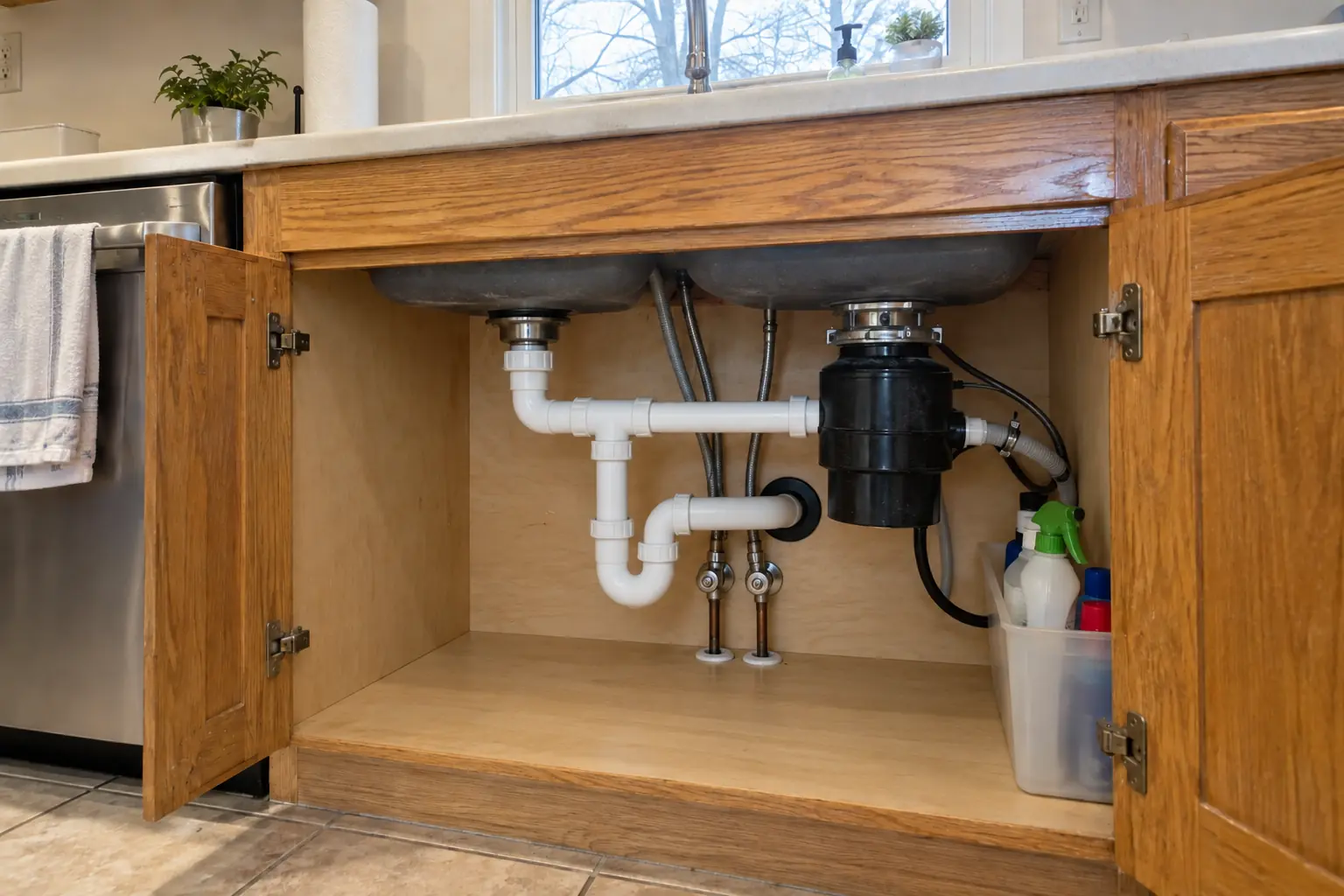
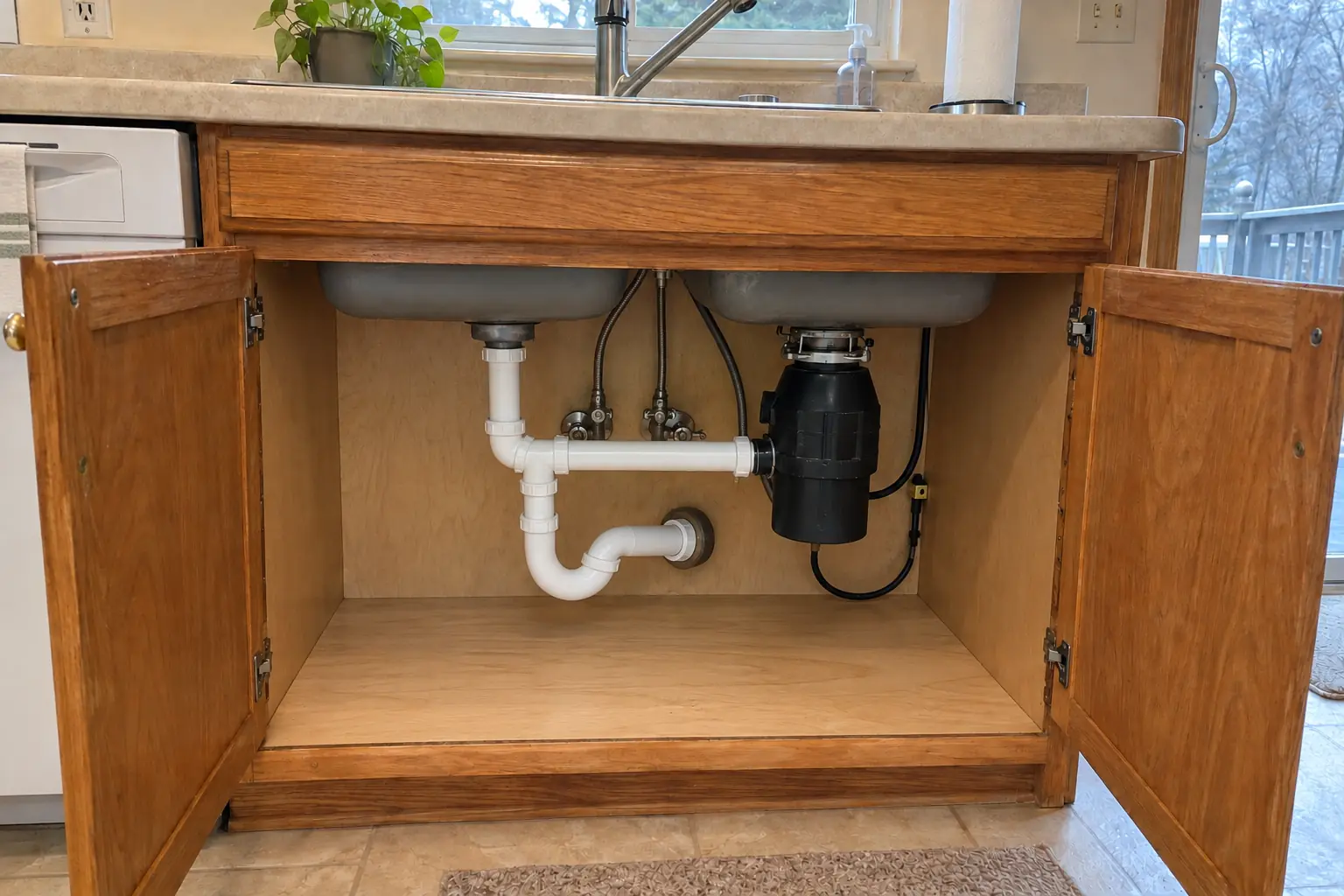
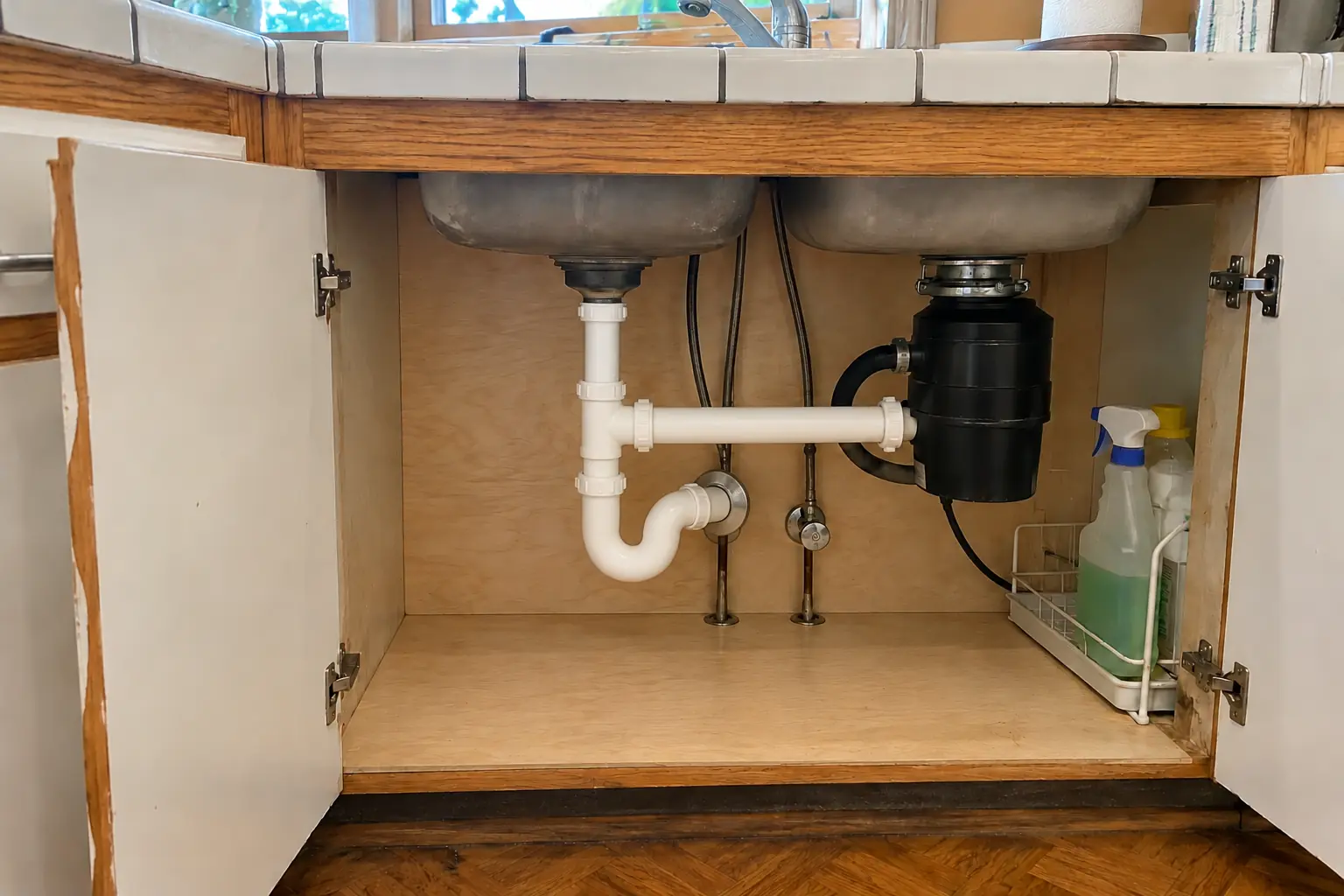
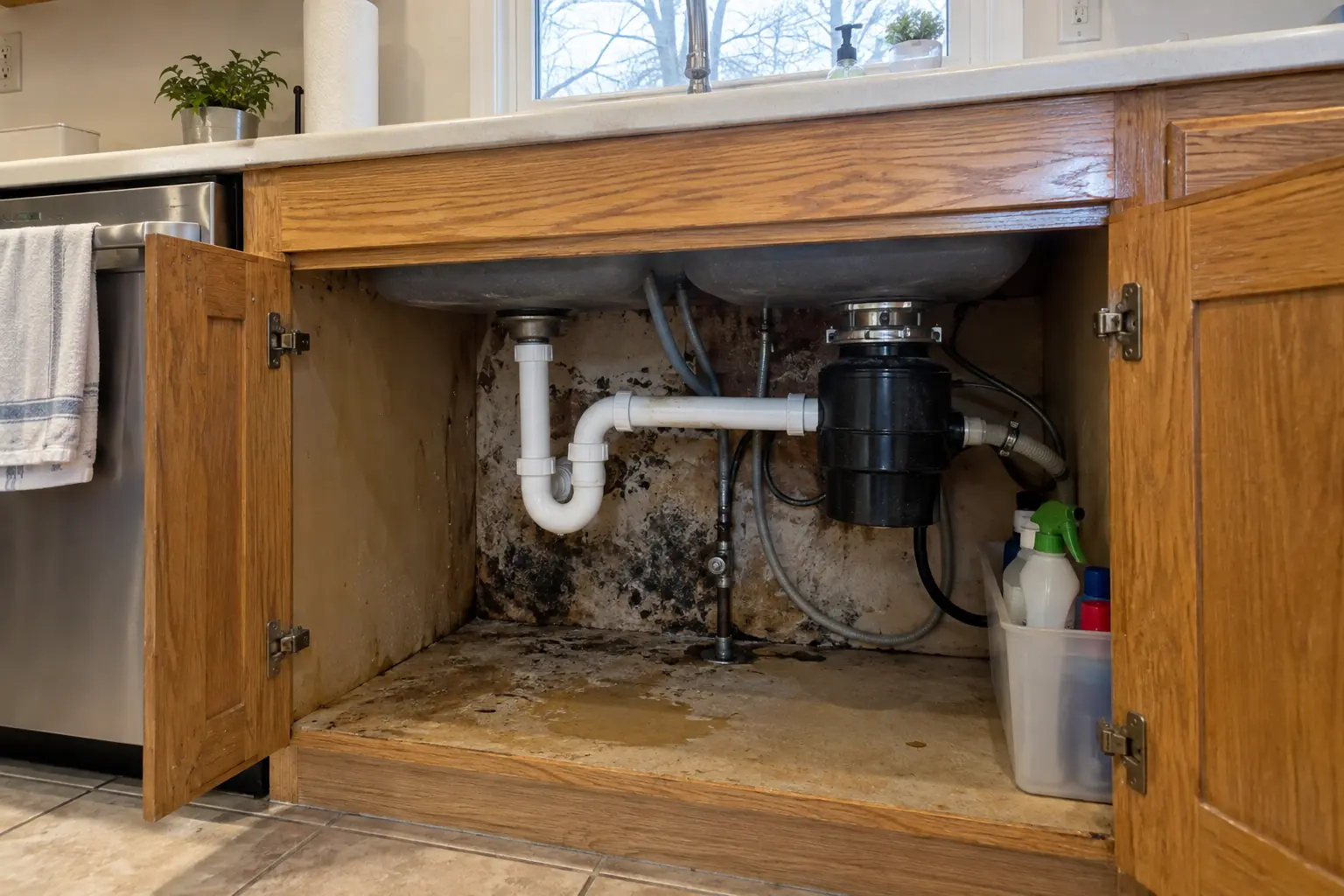
Mold under the kitchen sink

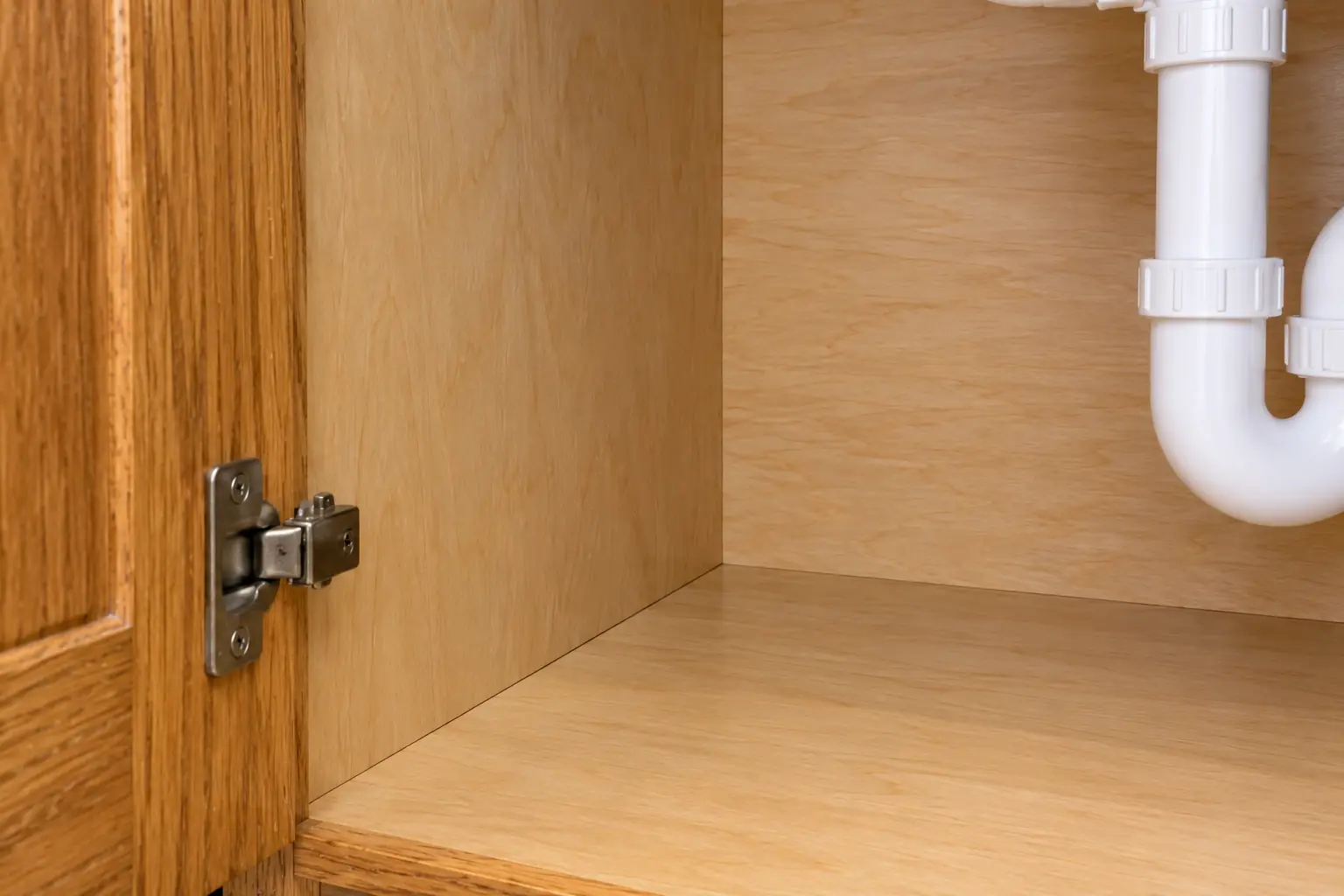
Black or green spots on the cabinet floor or back panel under the sink mean moisture has been there a while. We fix the leak, remove the damaged panel and clean the cavity behind it.

Mold under the sink with no visible leak

No puddle doesn't mean no moisture. Slow seepage, sweating pipes or an old leak that was never dried can feed growth under a sink.

Condensation and window mold

Cooking steam without a working range hood can condense on cold windows and exterior walls, leading to growth on sills and drywall. We remove it and talk through ventilation.

Mold behind the refrigerator

Spots on the wall behind the refrigerator usually trace to the water line. We stop it and clean or replace the drywall.

A large area of mold

Bigger areas need sealed containment, negative air and more careful removal. We explain the plan before we start.

Mold on cabinet backs and particleboard

We remove mold-affected particleboard and match new panels to the cabinet where we can.

Mold inside a wall after a leak

When a pipe in the kitchen wall has leaked, mold may be on the back of the drywall and the studs. We contain the area, open the wall and remove the affected material.

Mold behind or under the dishwasher

A leaking door seal or drain hose can keep the floor and wall behind the dishwasher damp for months. We pull the unit and check the subfloor, side panels and drywall.
What we handle after the damage

  • Fixing the moisture sourceEPA advises fixing the water problem first; otherwise the mold returns.
  • ContainmentThe work area is sealed with plastic sheeting, and the rest of the kitchen and house is protected.
  • HEPA air filtrationWe filter the air in the work area with HEPA equipment while materials are removed.
  • Removing affected porous materialsMoldy drywall, insulation, particleboard and other porous materials are cut out and bagged.
  • DryingThe area is dried and checked with meters before anything is closed up.
  • Final cleaningThe containment area is HEPA-vacuumed and wiped down before the plastic comes down.
  • RebuildNew cabinet panels, drywall, insulation and finishes go back in.

Tools of the job

HEPA air scrubbersFiltered air movement that keeps the work area under control.
Replacement panels and drywallNew cabinet bottoms, backs, drywall and insulation for what was removed.
HEPA vacuumsVacuums with HEPA filters used to clean surfaces and debris.
Containment sheetingSealed plastic walls that keep the work separate from the rest of the home.
Moisture metersTools to find wet materials and confirm they are dry before closing up.

What the work looks like in Tinley Park homes

Kitchen Mold Remediation in a 1980s-1990s two-story colonial / tract house — problemProblem
Kitchen Mold Remediation in a 1980s-1990s two-story colonial / tract house — fixedFixed
Kitchen Mold Remediation in a 1980s-1990s two-story colonial / tract house — detailDetail

A Tinley Park 1980s two-story: before and after

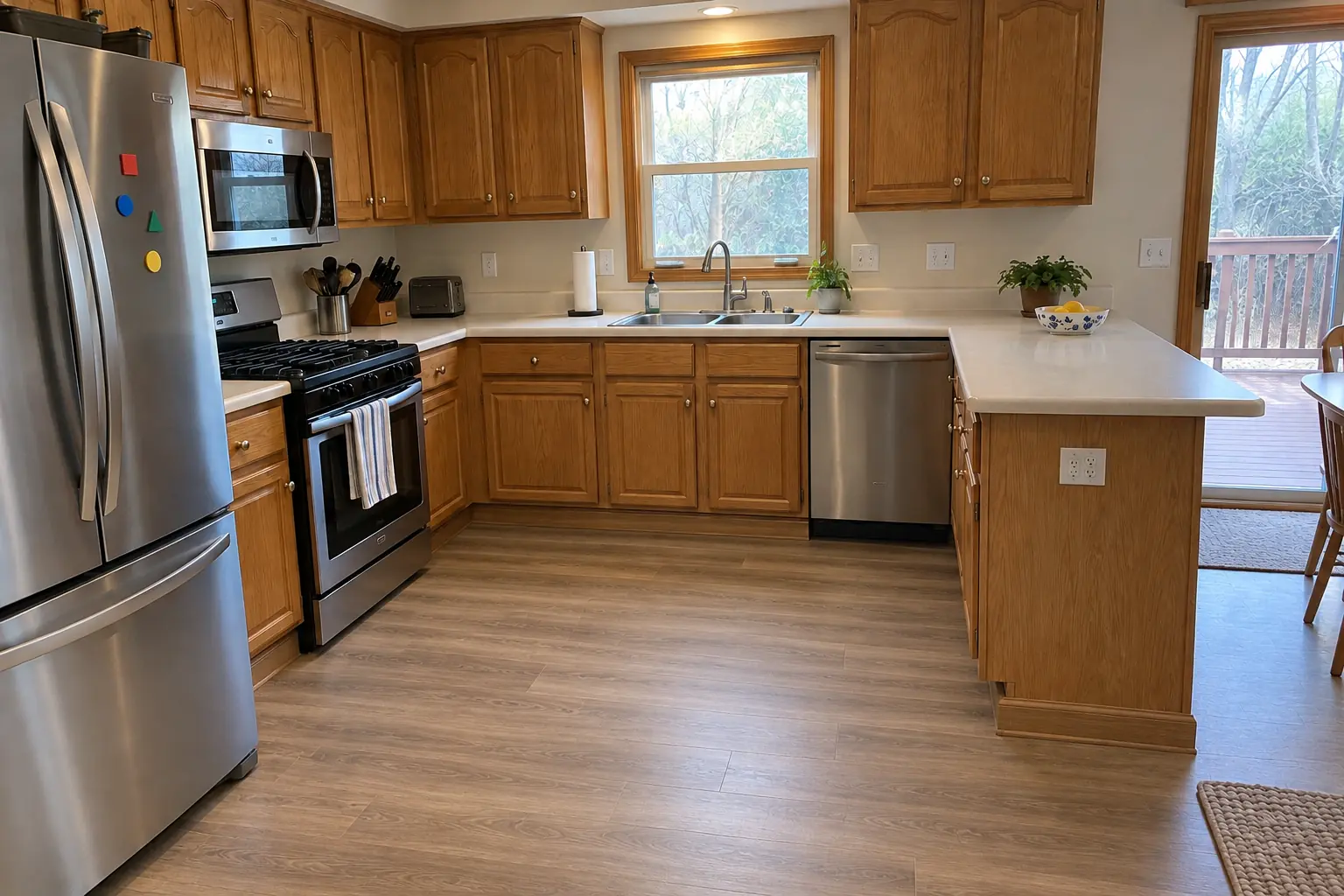
The site: a 1980s two-story in Tinley Park. The kitchen as it was: solid-surface integrated sink and golden-oak cabinets with oak soffits above. What bothered the owners most: mold under the kitchen sink. After: the sink cabinet cleaned and dried, a new back panel and cabinet floor installed and the drain leak fixed. Work included containment, removing affected porous materials, plus final cleaning.
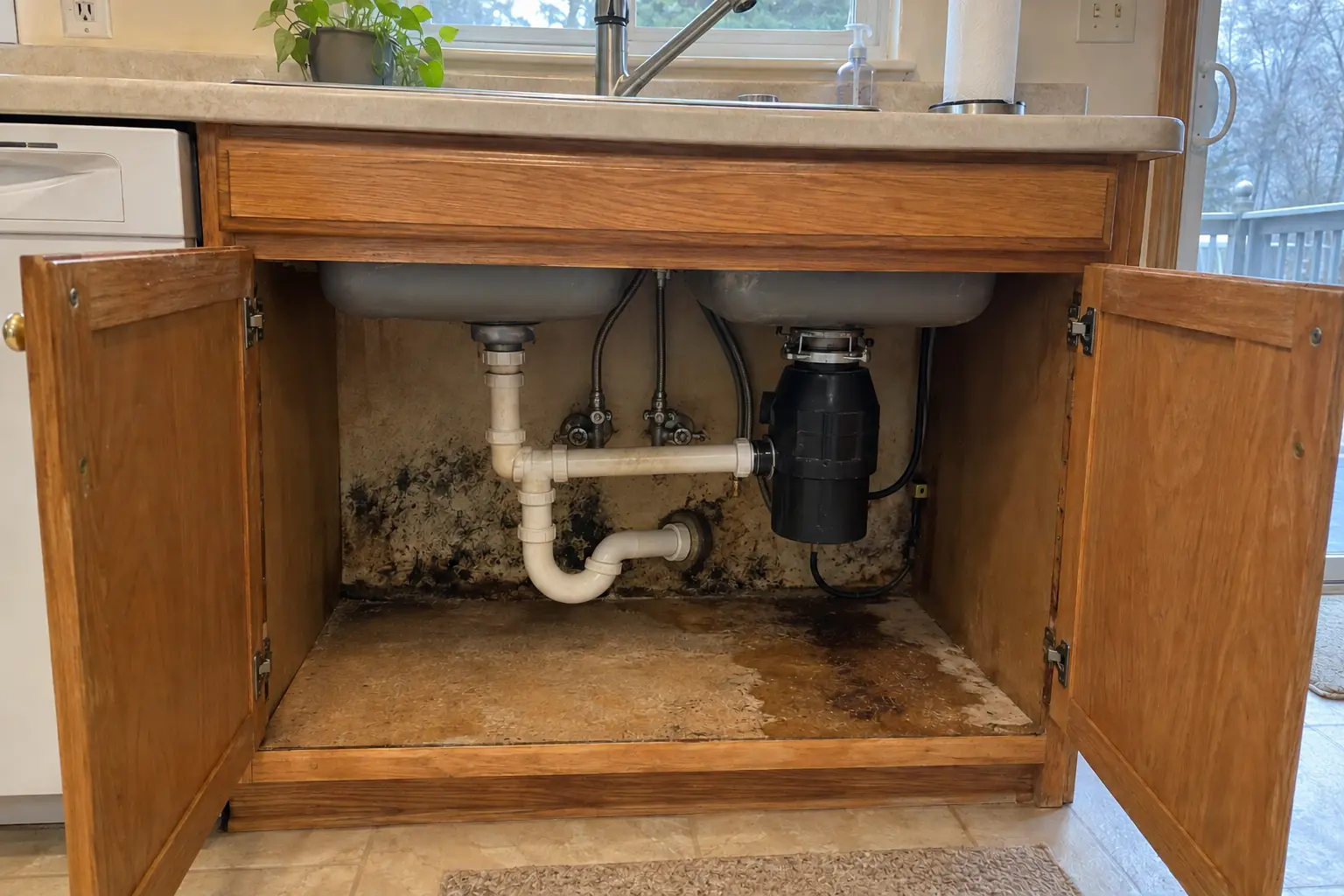
Kitchen Mold Remediation project in Orland Park, beforeBefore
Kitchen Mold Remediation project in Orland Park, afterAfter

Before and after: a 1990s two-story colonial in Orland Park

This one is a 1990s two-story colonial in Orland Park. The kitchen as it was: white cast-iron double sink and honey-oak cathedral raised-panel cabinets with worn finish near the handles, brass knobs. The reason for the call: mold under the kitchen sink. The result: the sink cabinet cleaned and dried, a new back panel and cabinet floor installed and the drain leak fixed. On site this meant containment, HEPA air filtration, plus drying.

Kitchen Mold Remediation in Orland Park →
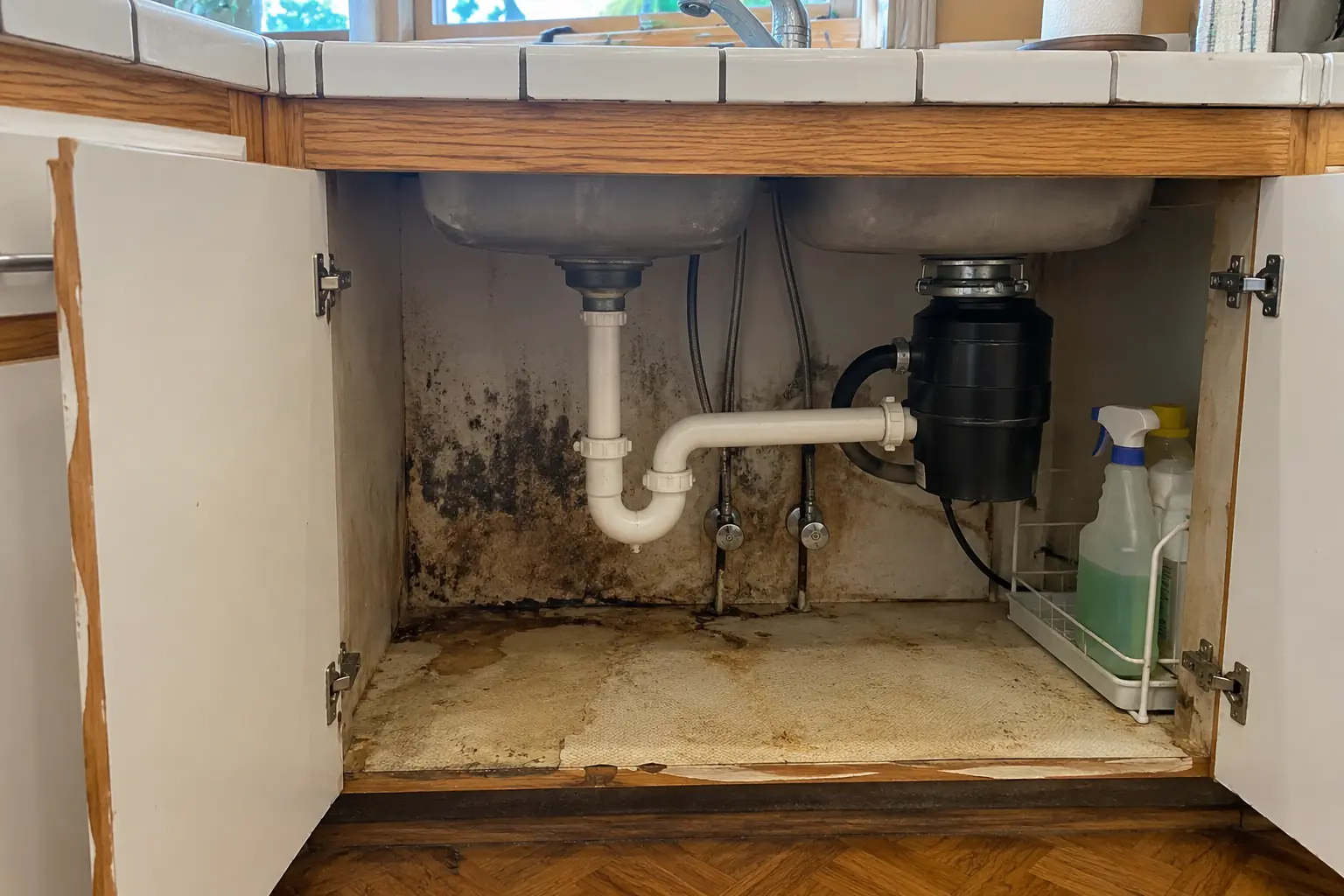
Kitchen Mold Remediation project in Woodridge, beforeBefore
Kitchen Mold Remediation project in Woodridge, afterAfter

Before and after: a 1980s two-story in Woodridge

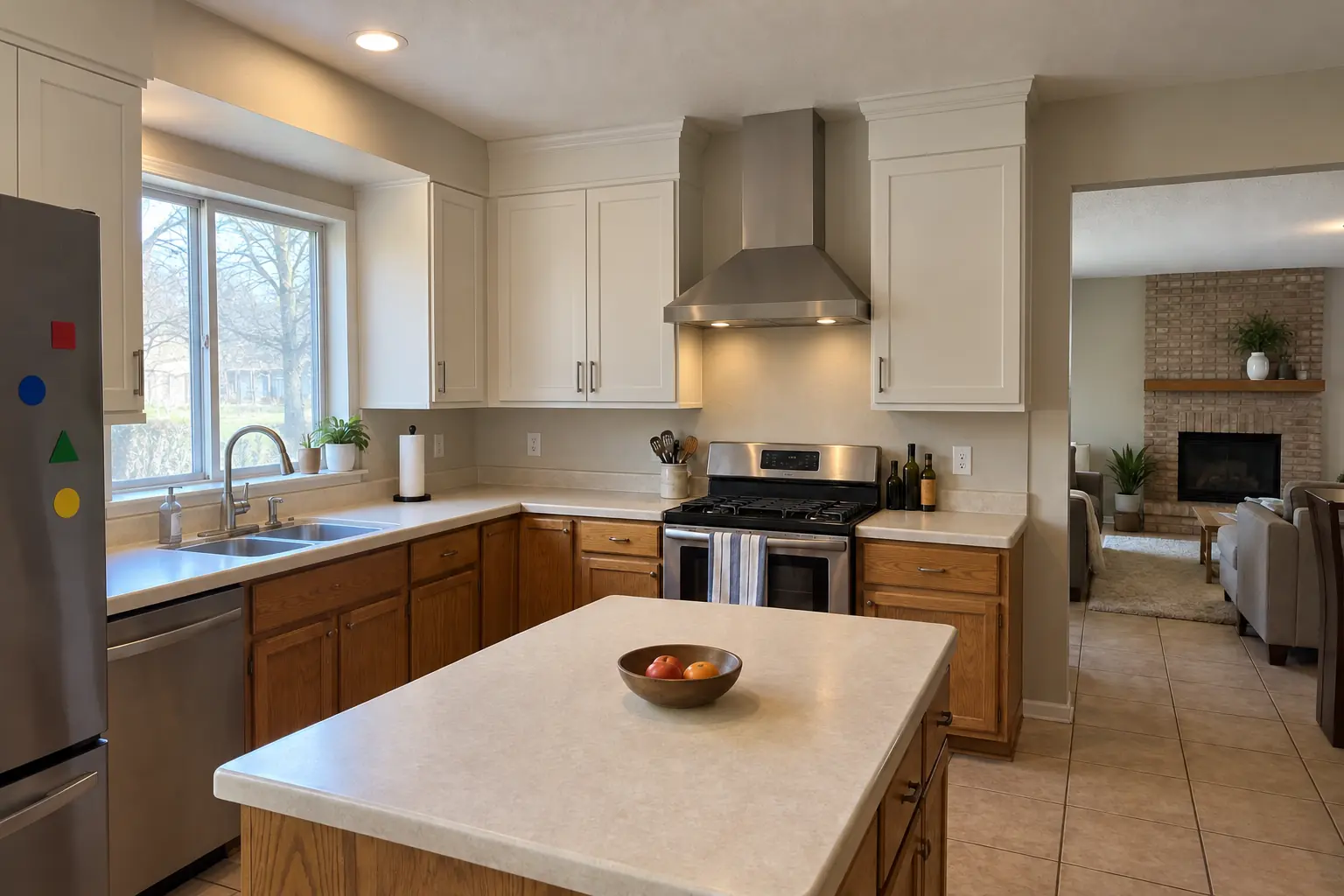
This one is a 1980s two-story near The Ridge. What we started with: white double sink and white thermofoil cabinets peeling at the edges, oak trim. What bothered the owners most: a swollen, spotted cabinet floor under the sink. After: the sink cabinet cleaned and dried, a new back panel and cabinet floor installed and the drain leak fixed. On site this meant containment, HEPA air filtration, plus removing affected porous materials.

Kitchen Mold Remediation in Woodridge →
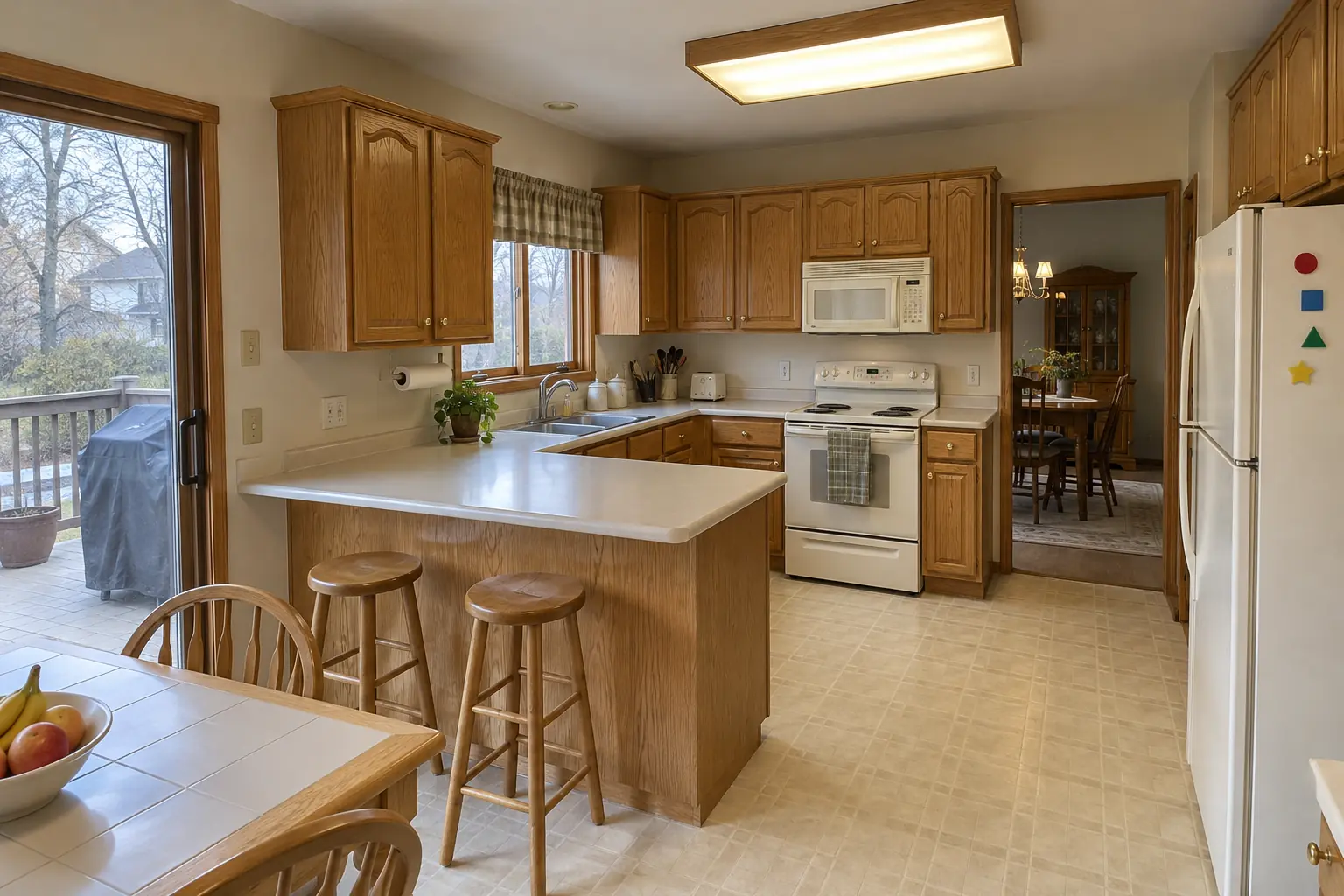
Kitchen Remodeling project near Tinley Park, beforeBefore
Kitchen Remodeling project near Tinley Park, afterAfter

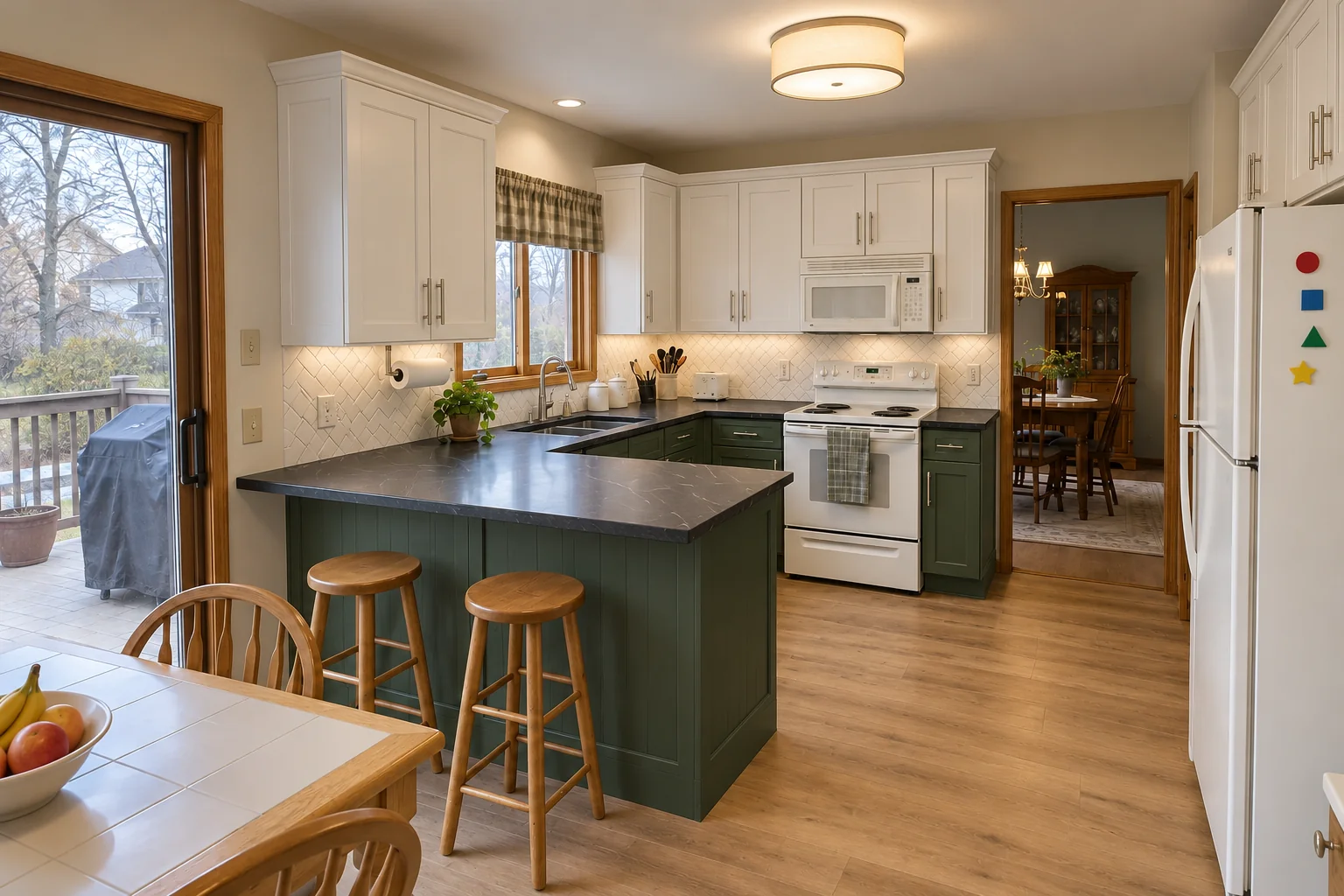
Tinley Park kitchen, two-story colonial from the 1990s: kitchen remodeling

What changed: cabinets in white uppers and deep green lowers with polished nickel pulls, dark soapstone-look quartz counters, a white herringbone tile backsplash, warm oak luxury vinyl plank flooring and a flush drum fixture and under-cabinet lights.

Kitchen Remodeling in Tinley Park →
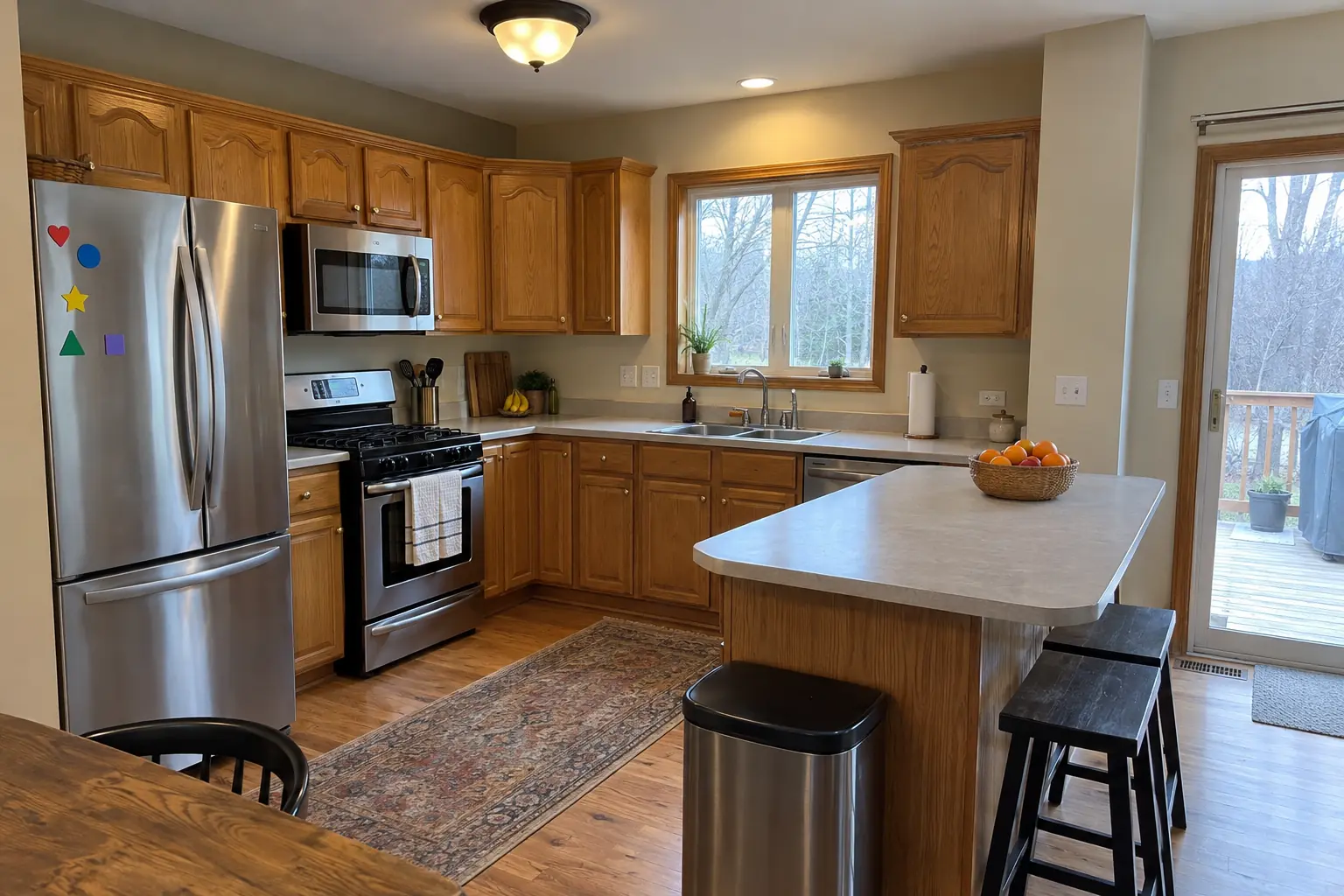
Kitchen Cabinet Painting project near Tinley Park, beforeBefore
Kitchen Cabinet Painting project near Tinley Park, afterAfter

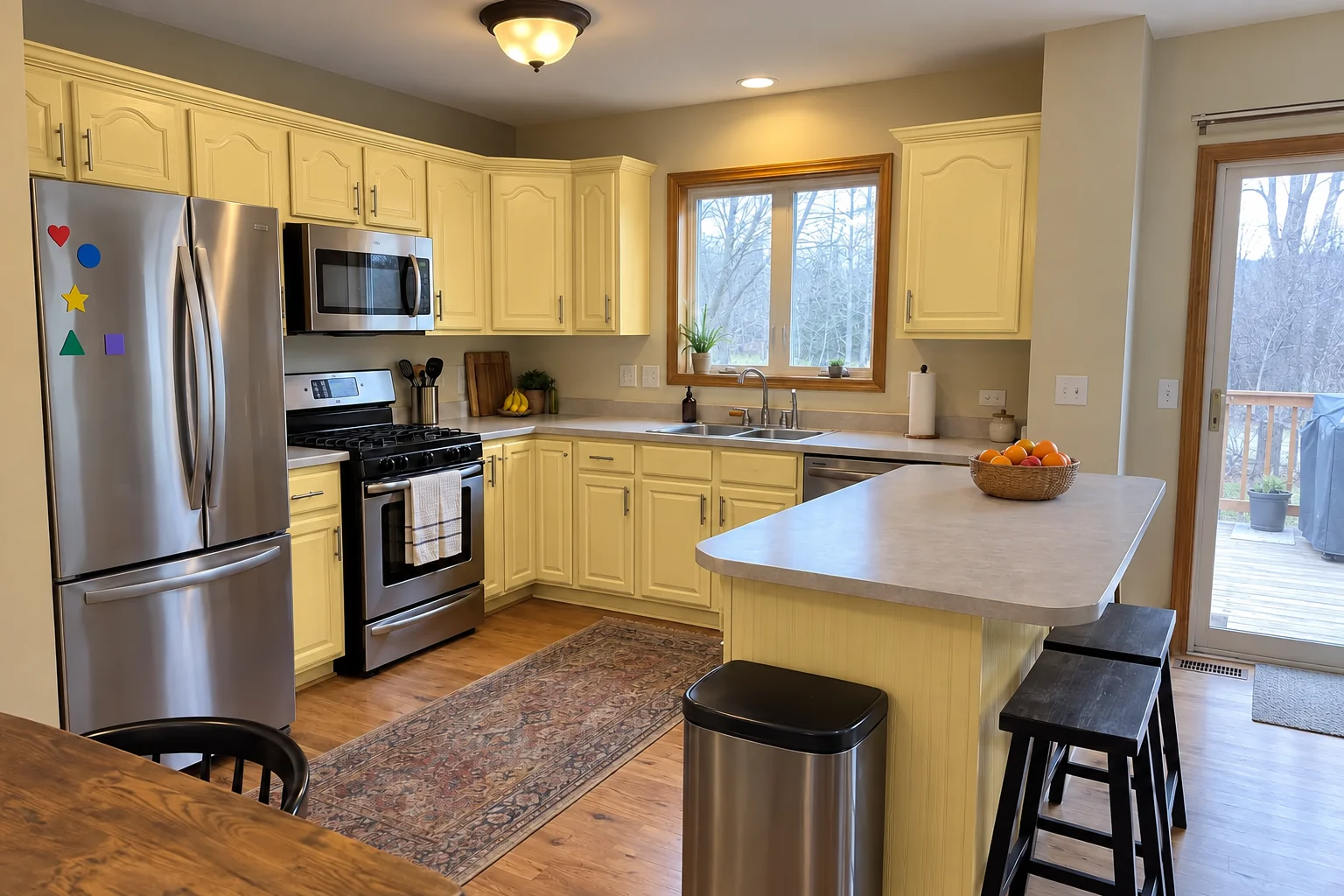
Tinley Park kitchen, 1980s two-story: kitchen cabinet painting

Finished: the same doors sprayed in light butter yellow, new brushed nickel bar pulls; counters and floor stayed as they were.

Kitchen Cabinet Painting in Tinley Park →

How restoration goes

  1. InspectWe look at the mold, find the moisture source and measure how far it reaches.
  2. Fix the moistureThe source gets fixed first so the work lasts.
  3. Contain and removeThe area is sealed, HEPA filtration runs and affected materials come out.
  4. Dry and rebuildWe confirm dryness, clean up and restore the cabinet, wall or floor.

Kitchen Mold Remediation questions from Tinley Park homeowners

What's the difference between mold removal and mold remediation?
Remediation is the full process: source, containment, removal, cleaning and drying. Simply cleaning the surface is removal.
What causes mold under the kitchen sink?
Almost always a leak, sometimes condensation. We find which before we start.
Can I clean small mold spots myself?
Small surface spots on hard surfaces often can be cleaned. If it's on drywall, inside a cabinet panel or keeps returning, call us.
How long does kitchen mold remediation take?
It depends on the size and whether drying is needed. Rebuilding cabinets or drywall adds time.
Can we stay home while you work?
Most owners stay. Containment and HEPA filtration keep the work separate, and we tell you when the kitchen is usable again.
Does kitchen mold remediation need a Tinley Park building permit, and who files it?
Permits go through Building Department (Community Development), phone 708-444-5100. When your scope needs one, we prepare the application and schedule the inspections.
Do I need a permit for kitchen mold remediation in Tinley Park?
It depends on the scope. Tinley Park's rule in short: Permit required before construction, alteration or repair; extensive remodeling needs a permit. We handle the permit when one is needed with Building Department (Community Development).
Do you work in my part of Tinley Park?
Yes. Our crews work across Tinley Park — ZIP 60477, 60487 — and nearby Orland Park, Woodridge, Bolingbrook.

Working in Tinley Park

  • A lot of Tinley Park kitchens date from the 2000s. We know these layouts well and what is worth keeping.
  • Most Tinley Park homes are single-family. We protect floors and driveways and leave the site clean every day.
  • We know how Building Department (Community Development) handles kitchen permits and pull them for you.

ZIP 60477ZIP 60487

Kitchen Mold Remediation nearby

Planning a kitchen project in Tinley Park?

Call us — we'll check your ZIP, answer your questions and book an in-home estimate.
Call now (708) 400-7049
Call (708) 400-7049Callback