Serving St. Charles & nearby Geneva, West Chicago

Commercial Kitchen Projects in St. Charles, IL

Exhaust hoods, hood cleaning and grease traps for restaurants, cafes and institutional kitchens in St. Charles.

  • Commercial kitchens across St. Charles ZIP 60174, 60175
  • Nights, early mornings and closed days
  • Coordination with the fire and health inspectors

Prefer a callback?

Leave your number and a St. Charles commercial kitchen crew will call you.

Commercial kitchen problems we take care of in St. Charles

Commercial kitchens fail inspections and lose service days over the same few systems. Our St. Charles crews handle the ventilation over the cook line and the grease treatment under the sinks, from new installation through routine cleaning and the records inspectors ask for.

Adding fryers, grills or a new cook line

When the cook line changes, the ventilation has to follow. We recalculate the hood, fan and makeup air and coordinate suppression changes.

Commercial Kitchen Hood Installation →

Hood or duct written up by the fire marshal

Clearance to combustibles, leaking duct joints, missing access panels and outdated suppression are common write-ups. We correct the list and get it reinspected.

Commercial Kitchen Hood Installation →

New kitchen needs a grease trap or interceptor

Whether you need an under-sink trap or an in-ground interceptor depends on the menu and fixtures. We size it and handle the permit.

Grease Trap Installation & Cleaning →

Opening a new restaurant

A new food establishment needs an approved hood system over grease-producing equipment and grease treatment on its drains before it can open. We plan, permit and install both.

Commercial Kitchen Hood Installation →

Not sure how often the exhaust should be cleaned

Busy fryer kitchens need cleaning far more often than a church kitchen. We assess your cooking and set the interval.

Commercial Hood Cleaning →
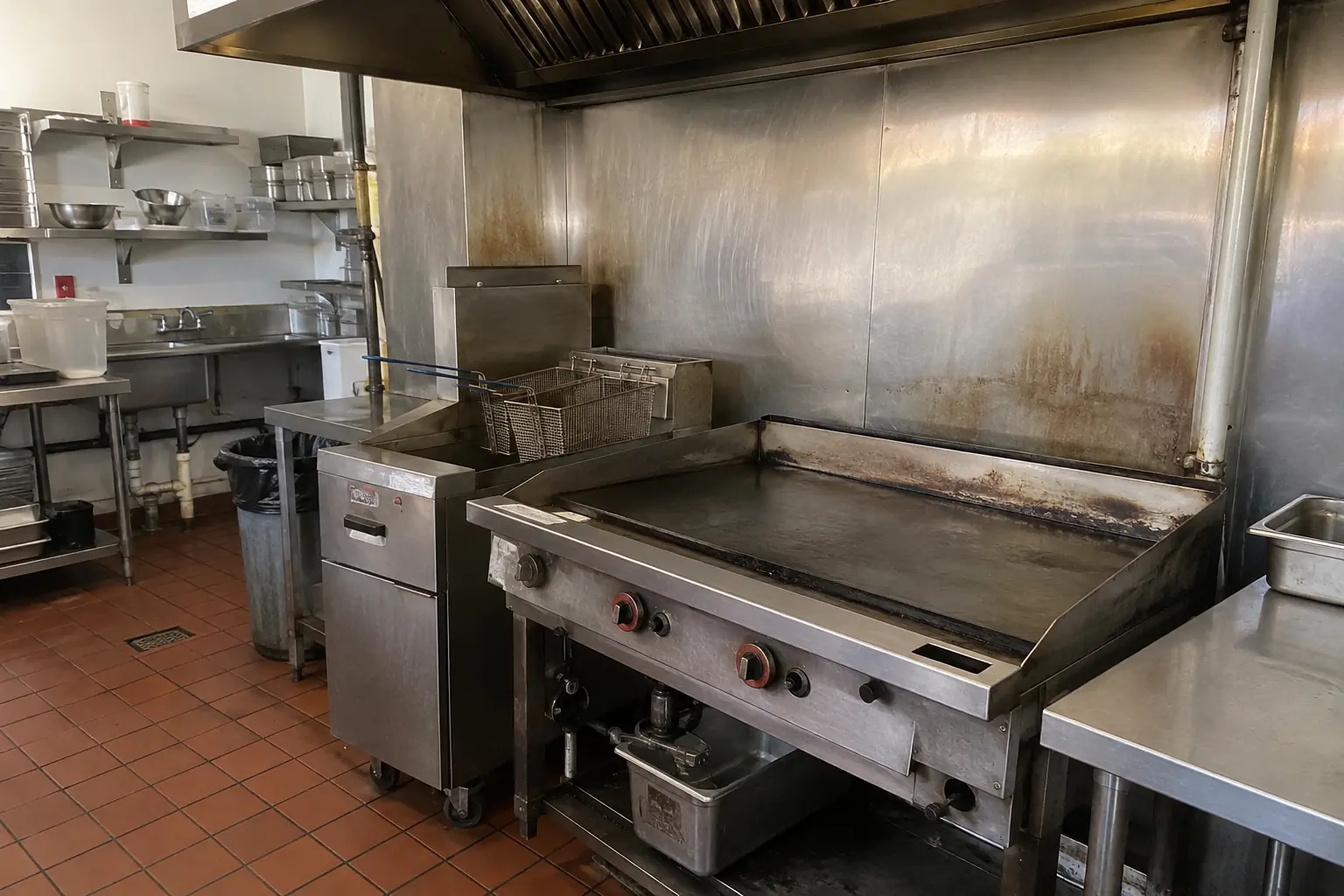
What the job covers

  • Site visitWe look at the cook line, the roof, the drains and the trap to see what the kitchen needs.
  • Permits and plan reviewDrawings and permits for hoods and grease traps, with answers to building, fire and health reviewers.
  • Fire suppression coordinationWe work with your licensed suppression contractor so the hood and suppression system fit together.
  • Kitchen exhaust cleaningScheduled exhaust cleaning with a dated sticker and written report.
  • Grease trap installationUnder-sink traps and in-ground interceptors sized, permitted and installed.
  • Grease trap cleaning and pumpingSmall traps cleaned on site; interceptors pumped by licensed waste haulers.
  • Records for inspectorsPaperwork the fire department, health department and landlord can review.

Systems and components

Type II hoodsHeat and condensate hoods for dish machines, steamers and some ovens.
Type I hoodsRequired over cooking that produces grease-laden vapor.
Install, clean or serviceNew equipment for new or changed kitchens, scheduled service for the rest.
Grease duct and exhaust fansThe path the grease vapor takes out of the building, built to be cleaned.
Makeup air unitsReplacement air that keeps the kitchen near neutral pressure.

Kitchens like yours in St. Charles: before and after

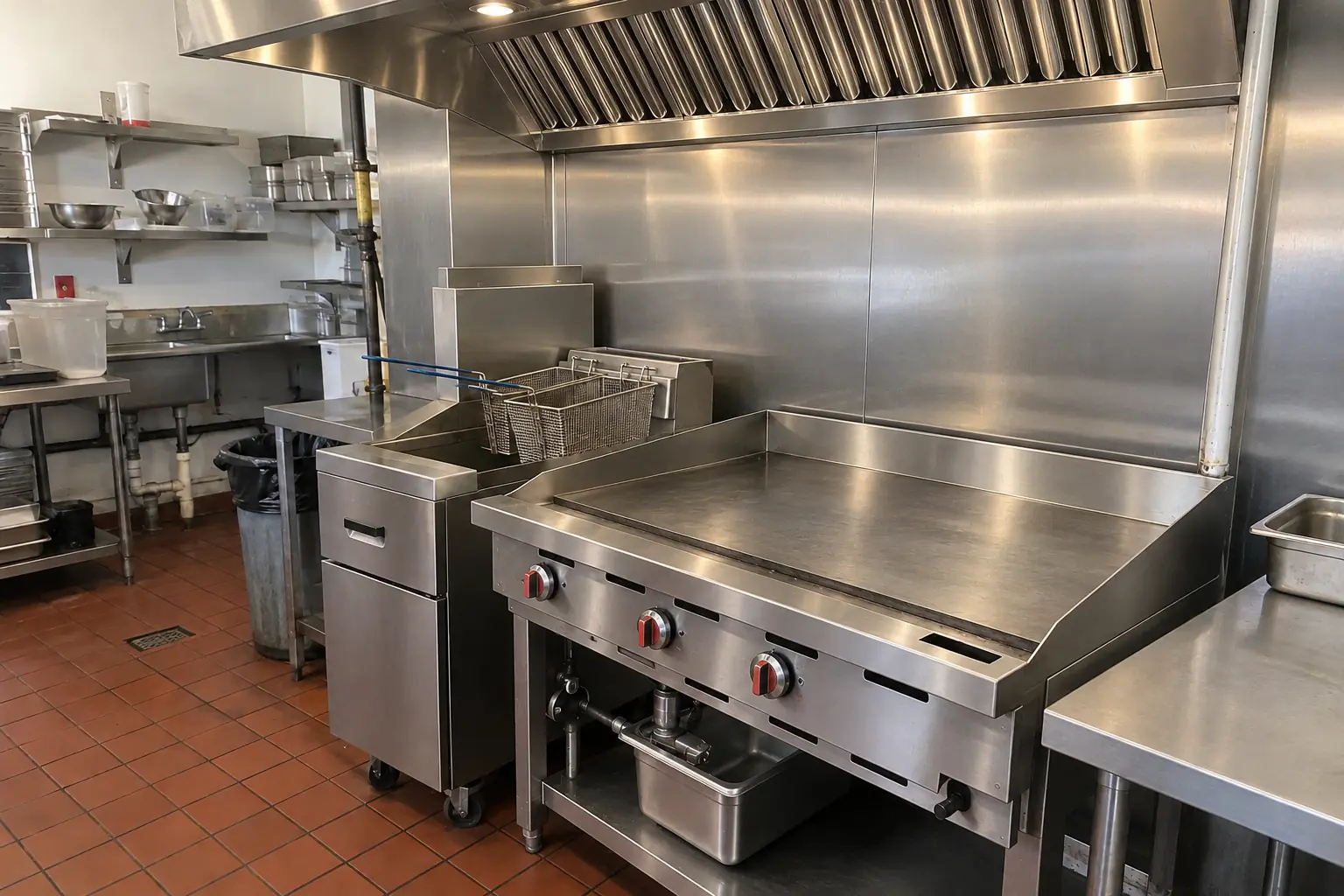
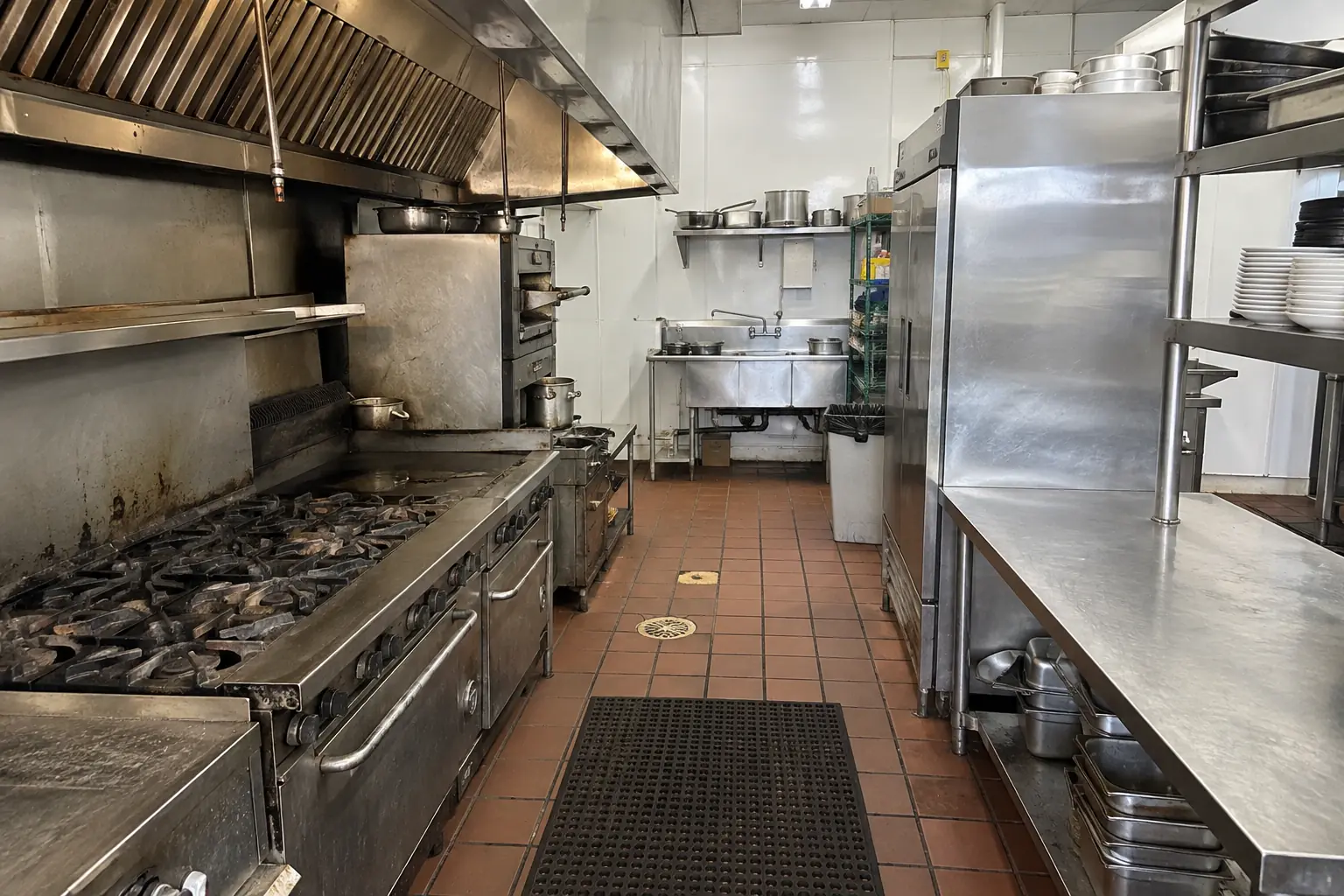
Commercial Kitchen Projects in a commercial kitchen — beforeBefore
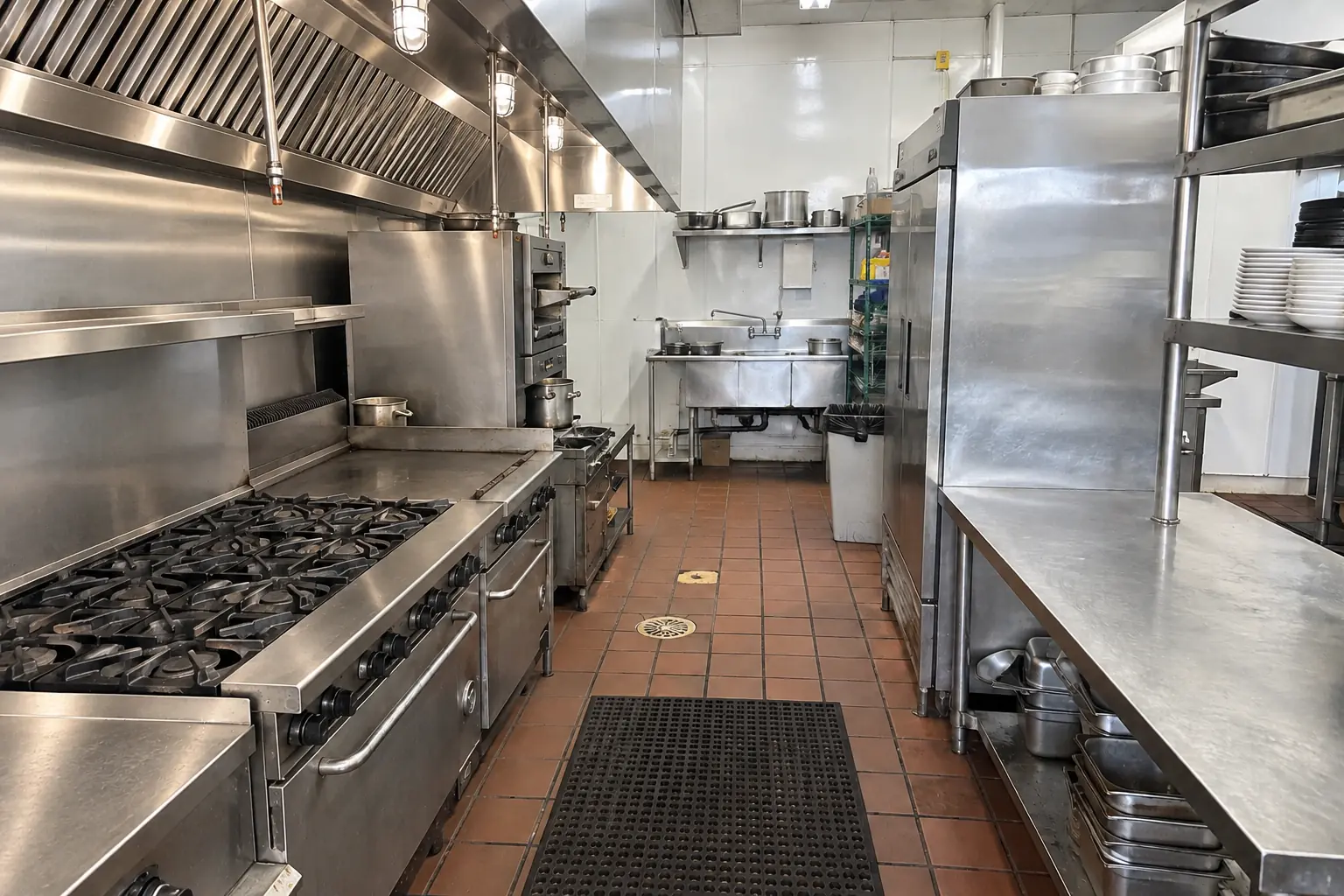
Commercial Kitchen Projects in a commercial kitchen — afterAfter

Commercial Kitchen Projects in a bakery kitchen, St. Charles

A bakery kitchen in St. Charles, a typical kitchen for St. Charles. What bothered the owners most: a worn cook line under an old, undersized hood. The result: the same kitchen with a new hood line and stainless equipment. On site this meant site visit, fire suppression coordination, plus grease trap cleaning and pumping.
Commercial Kitchen Projects project in Batavia, beforeBefore
Commercial Kitchen Projects project in Batavia, afterAfter

Batavia kitchen, cafe kitchen: commercial kitchen projects

A cafe kitchen in Batavia, a typical kitchen for Batavia. The reason for the call: an exhaust system and grease trap that kept failing inspections. Finished kitchen: the same kitchen with a new hood line and stainless equipment. On site this meant permits and plan review, fire suppression coordination, plus grease trap installation.

Commercial Kitchen Projects in Batavia →
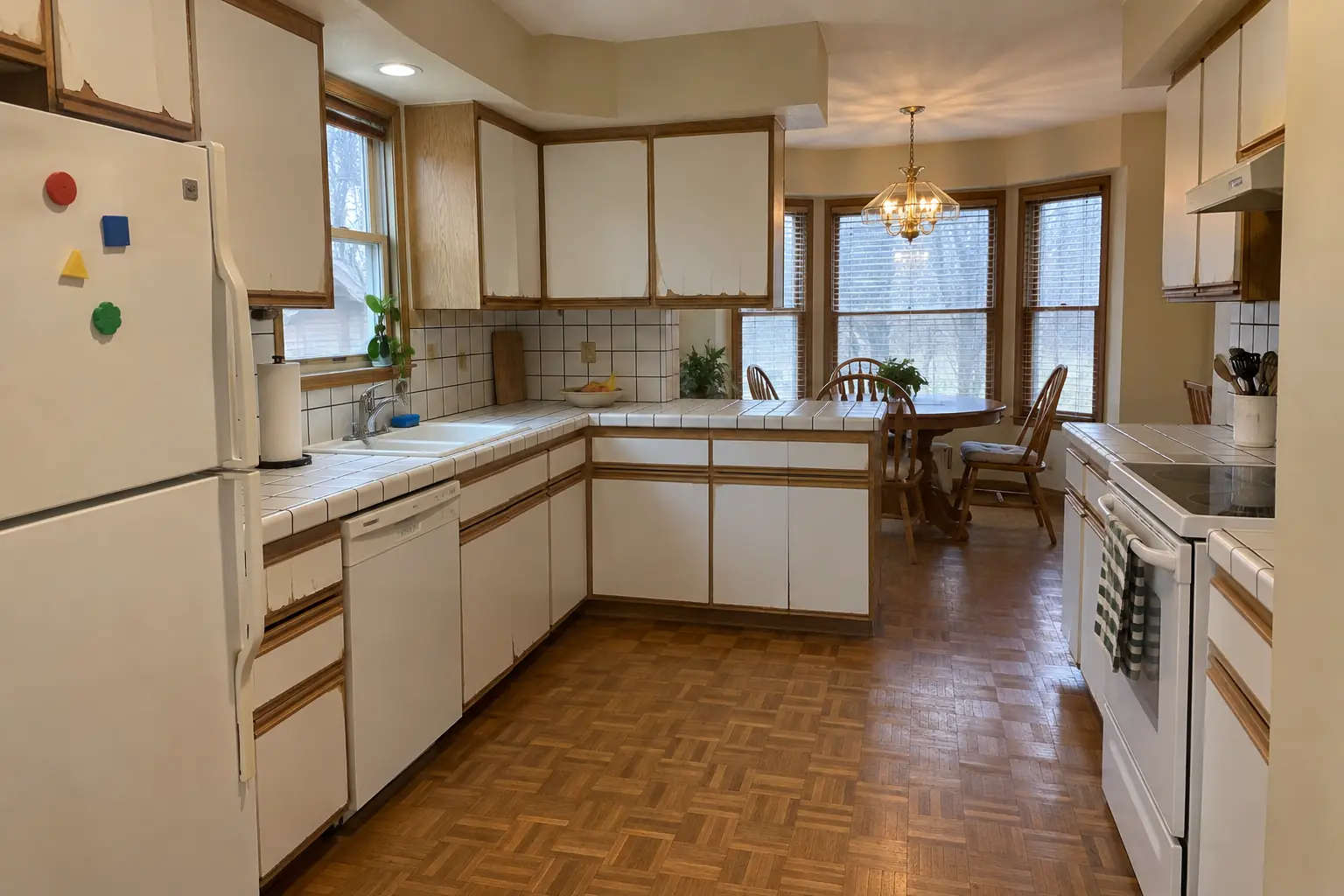
Kitchen Remodeling project near St. Charles, beforeBefore
Kitchen Remodeling project near St. Charles, afterAfter

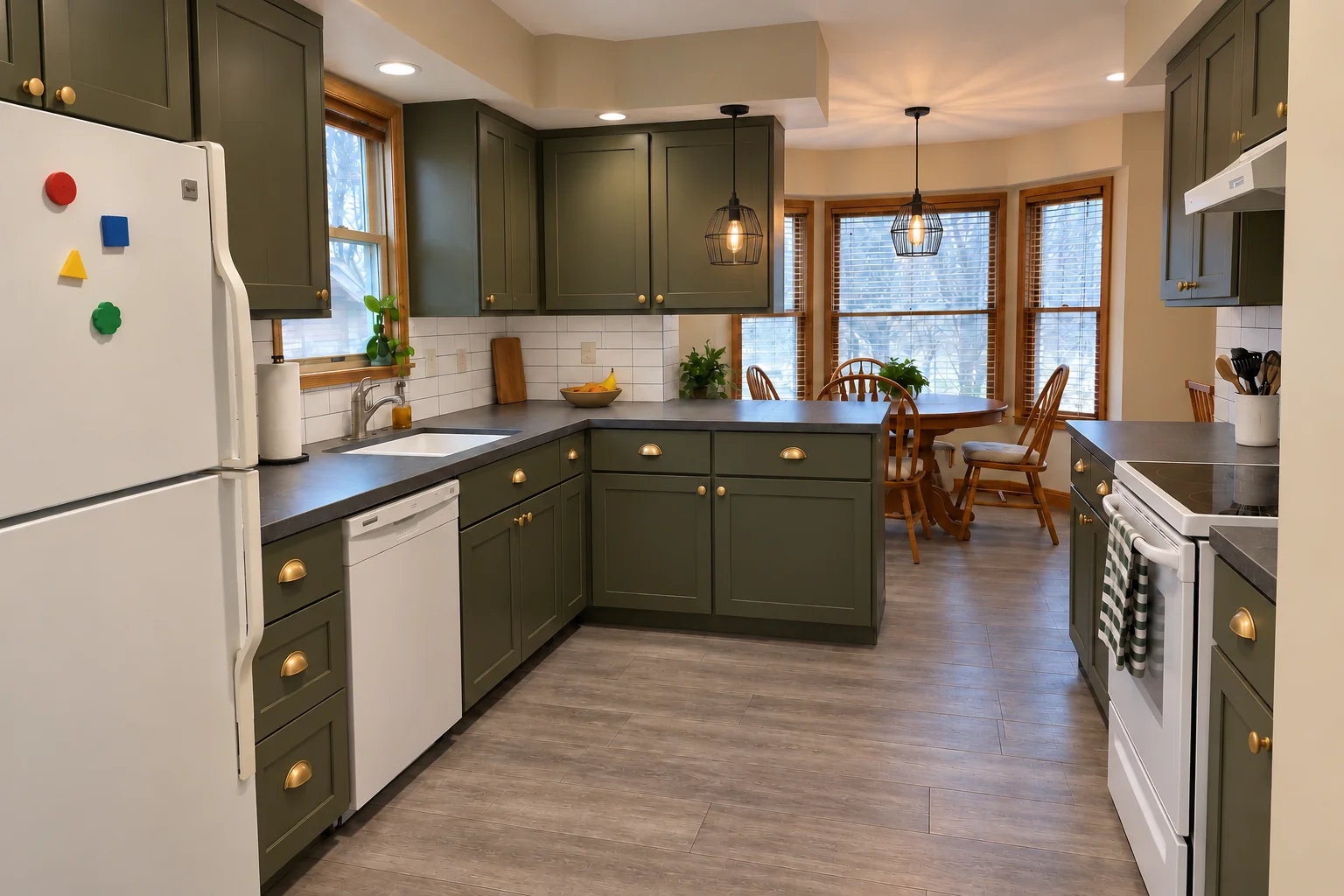
Kitchen Remodeling in a two-story colonial from the 1990s, St. Charles

What changed: cabinets in deep olive with unlacquered brass knobs and cup pulls, charcoal concrete-look quartz counters, a white 3x12 tile in a stacked pattern backsplash, gray wood-look porcelain plank flooring and black cage pendants and slim recessed lights.

Kitchen Remodeling in St. Charles →
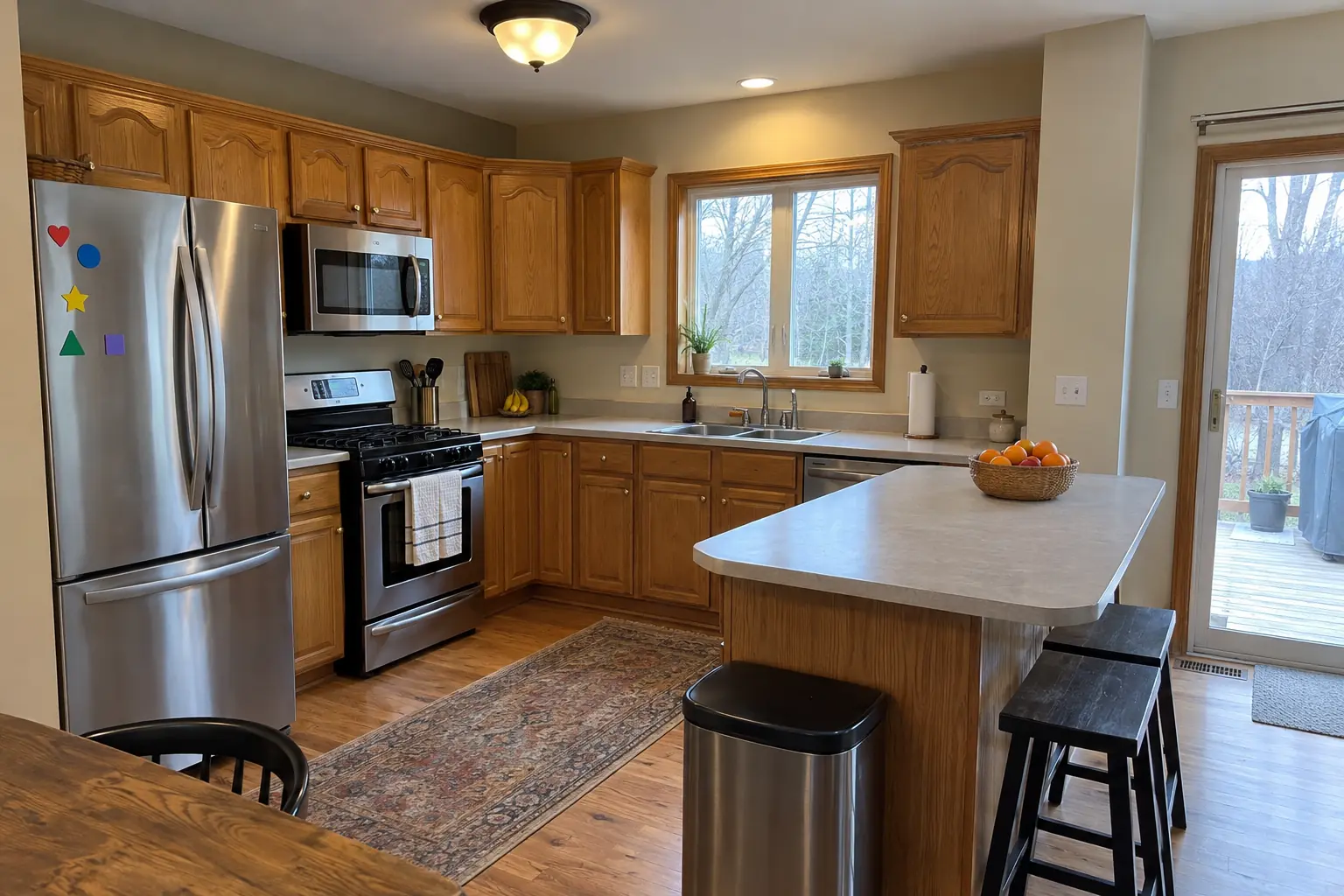
Kitchen Cabinet Painting project near St. Charles, beforeBefore
Kitchen Cabinet Painting project near St. Charles, afterAfter

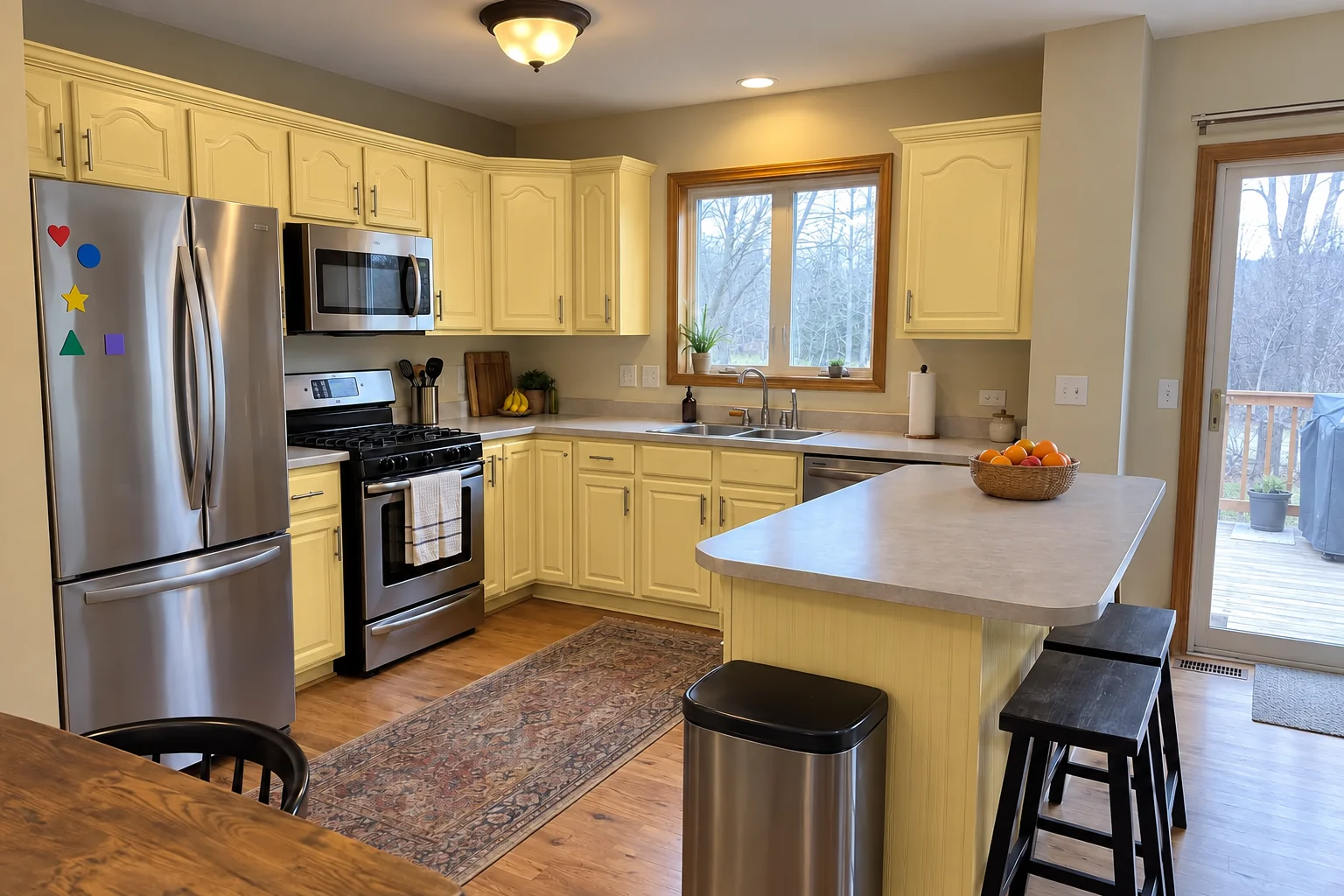
Before and after: a 1980s two-story in St. Charles

The same doors sprayed in light butter yellow, new brushed nickel bar pulls; counters and floor stayed as they were.

Kitchen Cabinet Painting in St. Charles →
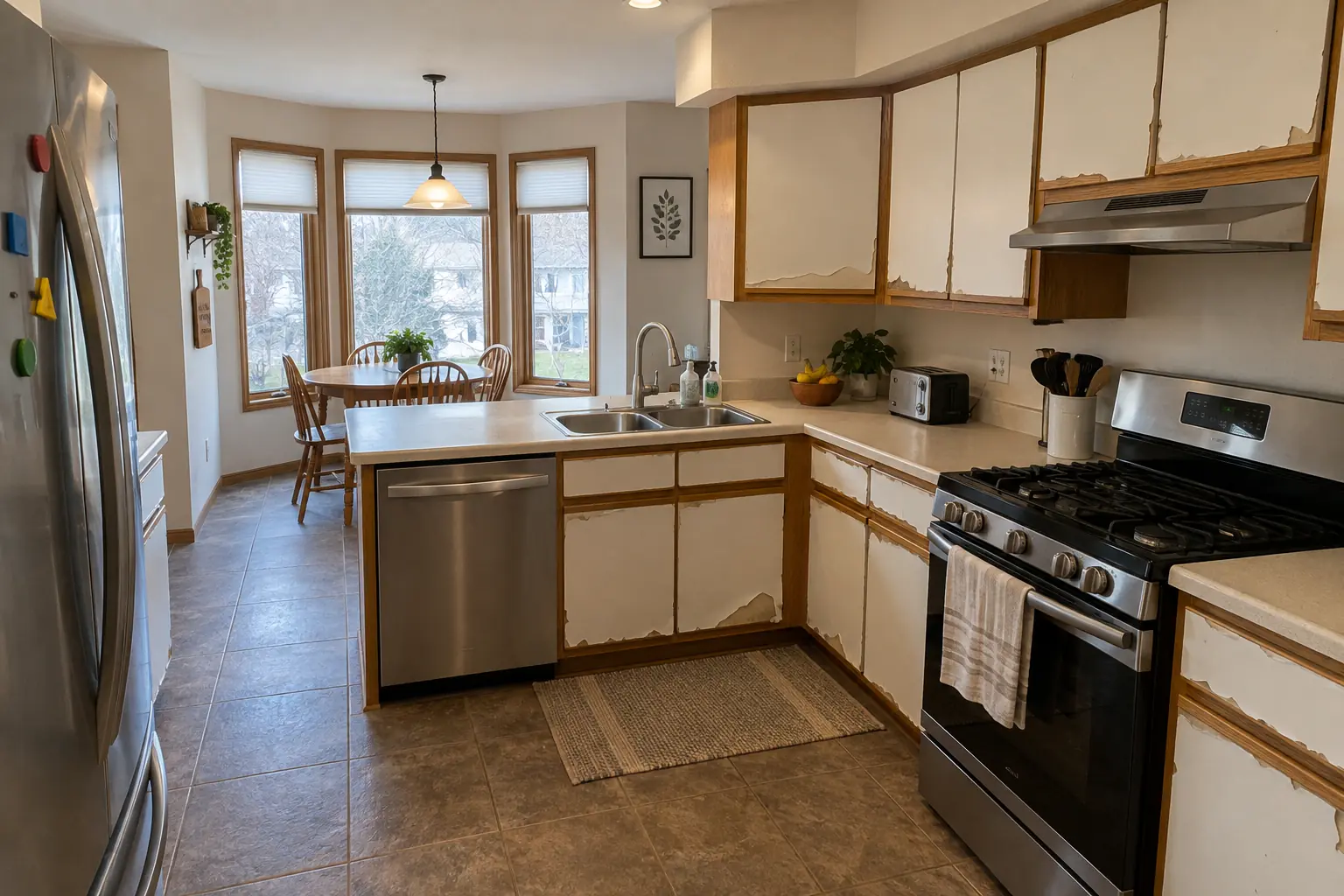
Cabinet Refacing project near St. Charles, beforeBefore
Cabinet Refacing project near St. Charles, afterAfter

St. Charles kitchen, two-story colonial from the 1990s: cabinet refacing

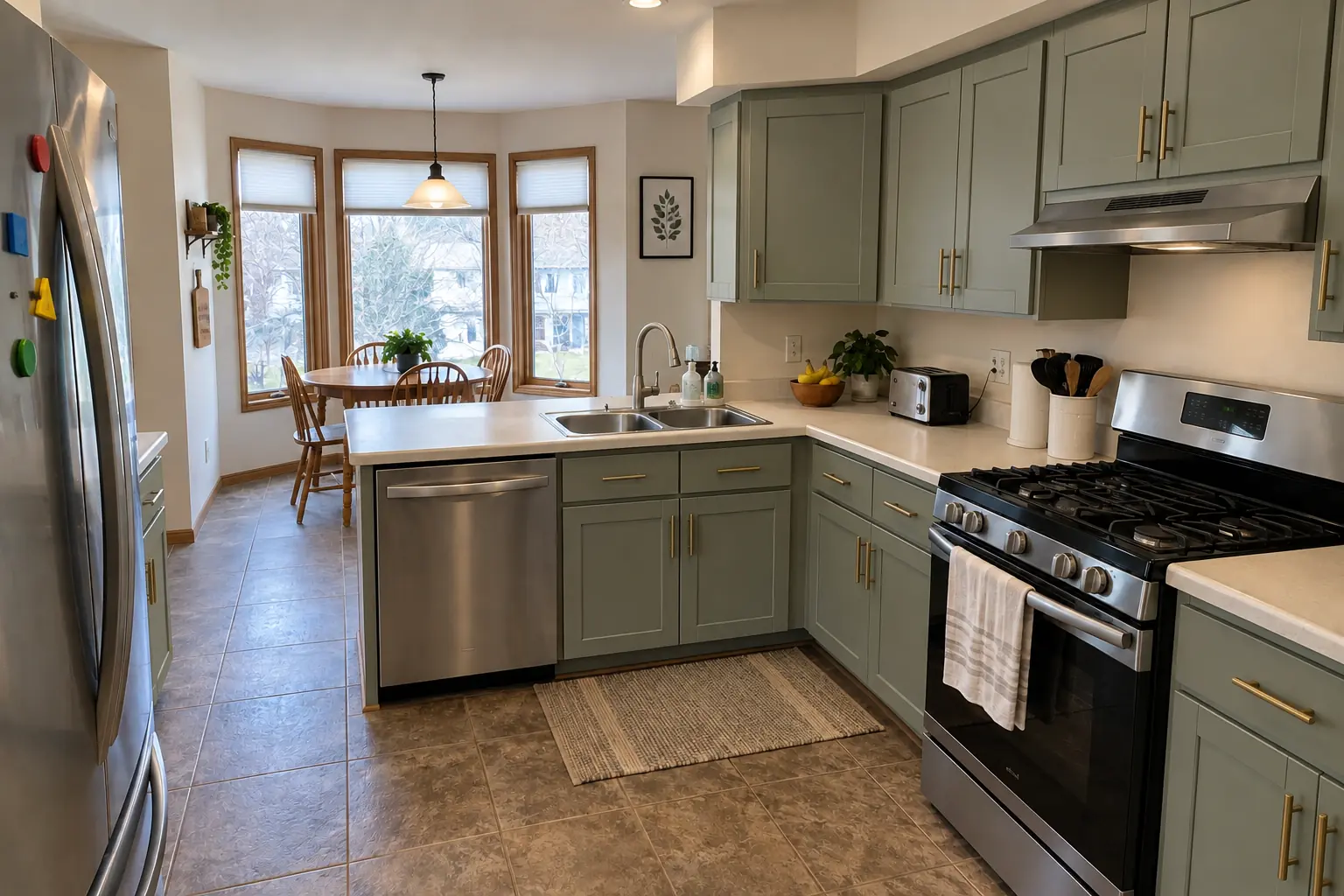
Finished: new five-piece shaker doors in sage green on the existing boxes, matching face-frame veneer and satin brass pulls.

Cabinet Refacing in St. Charles →

From survey to sign-off

  1. Call with what you're seeingShare the equipment list, photos or the inspector's write-up.
  2. Site visitWe look at the hood, roof, drains and trap and confirm which work is needed.
  3. Written proposalA clear written scope with what is included and when we can do it.
  4. Work and paperworkWe do the work, often after hours, and leave the permits, certificates or logs.

Commercial Kitchen Projects questions from St. Charles businesses

Who inspects restaurant kitchens in St. Charles?
Typically the village building department for permits, the fire department for hoods and suppression, the health department for food safety, and the local sanitary district or village for grease.
How often should the hood be cleaned?
NFPA 96 sets cleaning frequency by cooking volume, from monthly for solid-fuel cooking to annually for low-volume kitchens.
Do you install the fire suppression system?
No. A licensed fire suppression contractor installs and services it; we coordinate the hood work with them.
What standard covers commercial kitchen ventilation?
The main standard is NFPA 96. The village's mechanical and fire codes decide how it's enforced locally.
Can you work outside our business hours?
Yes. Cleaning and trap service are routinely done after closing, and installation is staged to keep downtime short.
Do I need a St. Charles-registered contractor for commercial kitchen project?
No registration fee; contractor requirements (general contractor certificate of insurance, with City as certificate holder) must be submitted before a permit is issued. We take care of that before work starts.
What is the St. Charles building department phone number?
Permits go through Building Division, Community Development, 2 E. Main St., phone (630) 377-4406. When your scope needs one, we prepare the application and schedule the inspections.
Which St. Charles office signs off on hood work?
Fire Prevention Bureau, (630) 377-4457, [email protected]. We schedule the inspection and have the paperwork ready.
Do you work in my part of St. Charles?
Yes. Our crews work across St. Charles — ZIP 60174, 60175 — and nearby Geneva, West Chicago, Batavia.

Working in St. Charles

  • Downtime costs you covers, so St. Charles work is booked around your slow days and closing times.
  • When a permit is required, we prepare the submittal for Building Division, Community Development, 2 E. Main St. and meet the fire inspector on site.
  • We handle the paperwork landlords and property managers ask for: insurance, access times and scope sign-off.

ZIP 60174ZIP 60175

Commercial Kitchen Projects nearby

Planning a kitchen project in St. Charles?

Call us — we'll check your ZIP, answer your questions and book an in-home estimate.

Call now (708) 400-7049
Call (708) 400-7049Callback